
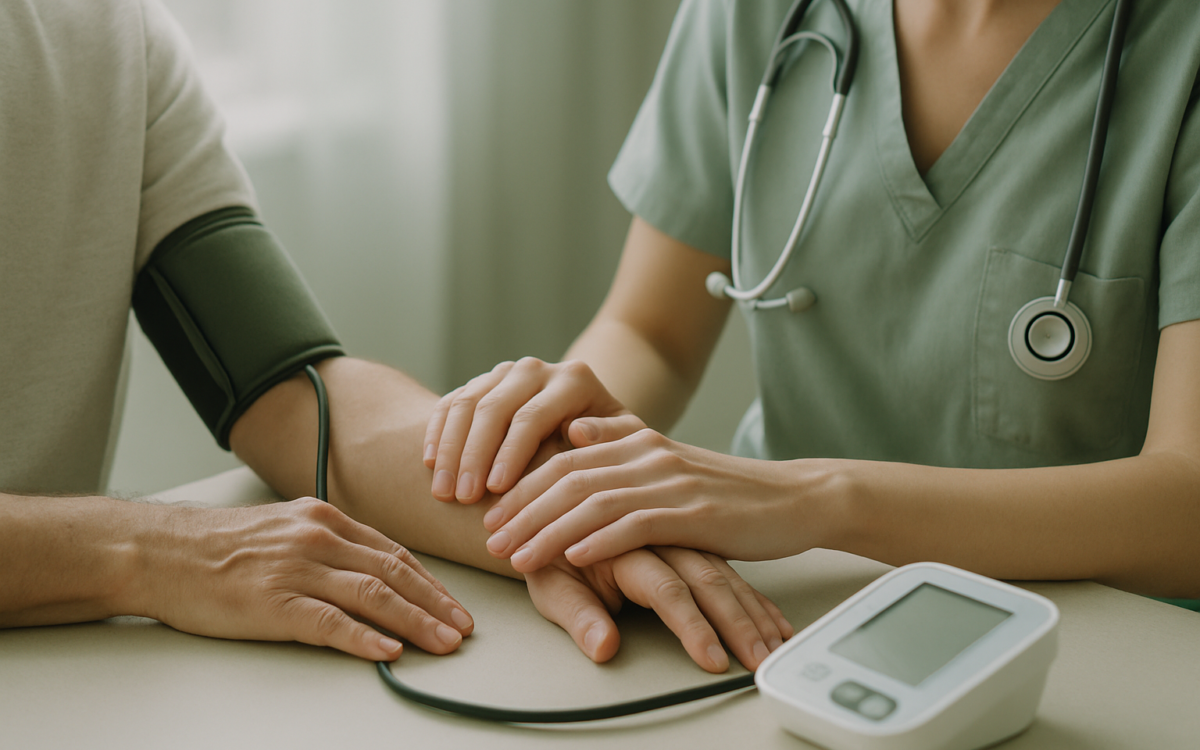
High blood pressure, or hypertension, can lead to serious health issues if left untreated. One aspect of this condition is diastolic blood pressure—the bottom number in a blood pressure reading. When our heart relaxes between beats, the pressure in the arteries at this time is referred to as diastolic pressure. If you’re looking for ways to lower your diastolic blood pressure, several simple lifestyle changes can make a big difference.
Understanding Diastolic Blood Pressure
Before diving into strategies, it’s essential to understand what diastolic blood pressure means. A normal blood pressure reading is typically around 120/80 mmHg, where 80 is the diastolic number. Persistent readings of 90 mmHg or higher indicate hypertension. Elevated diastolic blood pressure can strain your heart and arteries, increasing the risk of heart disease and stroke.
Healthy Eating Habits
Your diet plays a crucial role in managing blood pressure. Here are some healthy eating tips:
- Choose whole grains: Foods like oats, brown rice, and whole grain bread can help keep your heart healthy.
- Emphasize fruits and vegetables: Aim for at least five servings daily. These foods are rich in potassium, which can help balance sodium levels and lower blood pressure.
- Limit sodium intake: Reducing salt can significantly impact your blood pressure. Aim for less than 2,300 mg of sodium a day, or 1,500 mg if you have high blood pressure.
- Include lean proteins: Fish, poultry, beans, and nuts are heart-friendly protein options.
Moreover, adopting the DASH diet—Dietary Approaches to Stop Hypertension—focuses on these healthy food choices and has been shown to reduce blood pressure effectively.
Regular Physical Activity
Incorporating regular exercise into your routine can be a game-changer in managing diastolic blood pressure. Here are some ways to get moving:
- Engage in aerobic exercise: Activities like walking, running, cycling, or swimming can improve heart health.
- Strength training: Lifting weights two or more times a week can help maintain a healthy weight and boost metabolism.
- Consistency is key: Aim for at least 150 minutes of moderate aerobic activity or 75 minutes of vigorous activity each week.
For those unfamiliar with exercise routines, consider consulting fitness guides or talking to a personal trainer to find what works best for you.
Weight Management
Carrying excess weight increases the strain on your heart. Losing even a small amount of weight can positively impact your blood pressure. Here are some tips for managing your weight:
- Set realistic goals: Aim to lose 1 to 2 pounds per week through a combination of diet and exercise.
- Keep track of your progress: Use food journals or apps to monitor your eating habits and physical activities.
- Seek support: Consider joining a weight loss group or working with a dietitian for guidance.
Those looking for international treatment options may discover innovative solutions through international patient services. These services can provide access to specialized programs and resources that support effective weight management.
Managing Stress
Stress can temporarily spike blood pressure, and chronic stress may contribute to long-term hypertension. Here are some strategies to manage stress:
- Practice mindfulness: Techniques such as meditation, yoga, or deep-breathing exercises can help calm your mind.
- Establish a routine: Keeping a structured schedule can reduce unpredictable stressors.
- Connect with others: Social support plays a significant role in managing stress. Reach out to friends, family, or support groups.
Finding effective stress management techniques might not only lower blood pressure but improve your overall well-being.
Limit Alcohol and Quit Smoking
Both alcohol consumption and smoking can negatively impact blood pressure. Here’s how to address these habits:
- Keep it moderate: If you drink alcohol, limit intake to one drink per day for women and two drinks for men.
- Seek help to quit smoking: Consider counseling, support groups, or medications if you’re trying to stop smoking. Many resources are available to help you succeed.
Making these changes can significantly enhance your heart health and overall quality of life.
When to See a Doctor
If you’re concerned about your blood pressure or if lifestyle changes aren’t bringing the desired results, it’s essential to consult with a healthcare provider. Seek medical advice if you experience symptoms such as:
- Severe headaches
- Nosebleeds
- Shortness of breath
- Chest pain
A doctor can help you create a personalized plan and may recommend medication if necessary.
Taking steps to lower your diastolic blood pressure is a journey that involves commitment and lifestyle changes. By understanding your body and making informed choices, you can improve your heart health and overall well-being.
