
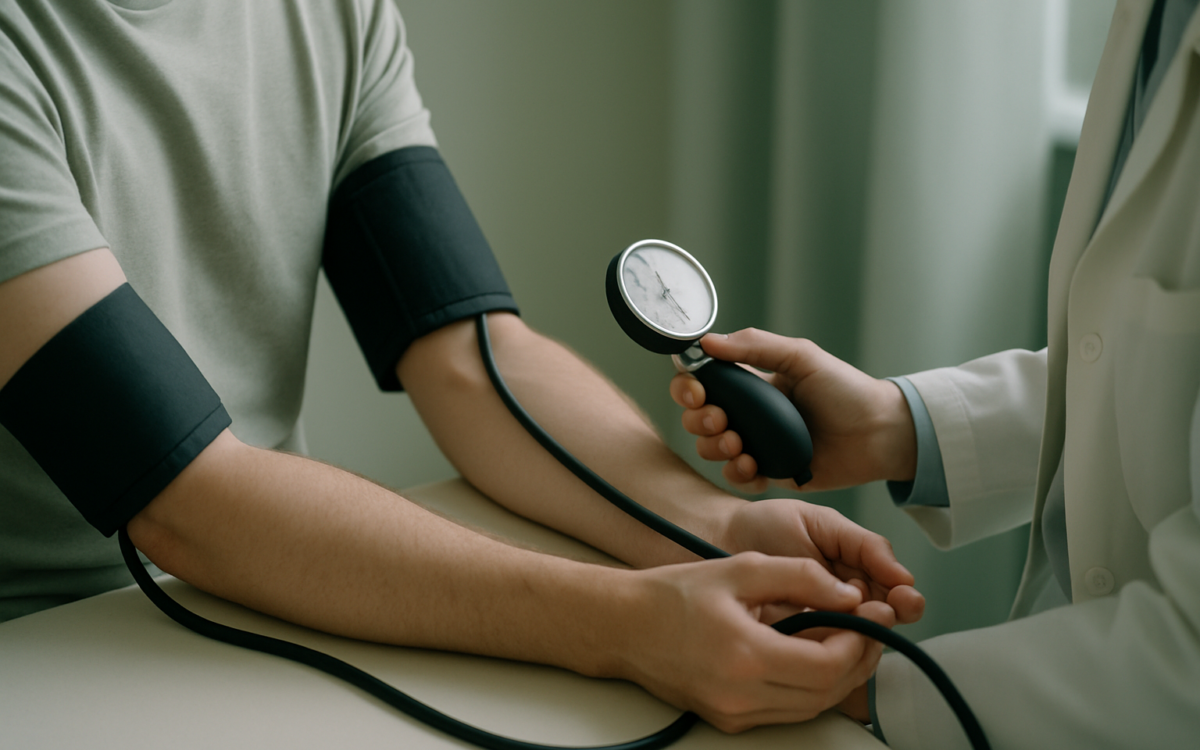
High blood pressure, or hypertension, is often referred to as the “silent killer” because it usually has no obvious symptoms. Many people may not even realize they have it until it causes serious health issues. One specific type is stage 1 hypertension, which is an early indicator that your blood pressure is higher than normal. Understanding what this stage means is vital for managing your health effectively.
What is Stage 1 Hypertension?
Stage 1 hypertension is the first of two stages in the classification of high blood pressure. According to the American Heart Association, it is defined as having a systolic (top number) reading of 130-139 mm Hg or a diastolic (bottom number) reading of 80-89 mm Hg. This means that your heart is working harder than usual to pump blood through your arteries. While it may seem mild compared to stage 2 hypertension, it is crucial to take this stage seriously.
Causes and Risk Factors
Several factors can contribute to the onset of stage 1 hypertension, including:
- Diet: A diet high in salt, saturated fats, and sugars can contribute to higher blood pressure.
- Lack of exercise: Physical inactivity is a significant risk factor for hypertension.
- Obesity: Being overweight increases your chances of developing high blood pressure.
- Age: Blood pressure tends to rise with age.
- Family history: Genetics plays a role; if your parents had high blood pressure, you might be at increased risk.
- Chronic stress: Long-term stress can lead to unhealthy coping mechanisms that elevate blood pressure.
Recognizing the Symptoms
Interestingly, most people with stage 1 hypertension don’t experience any noticeable symptoms. This is why regular check-ups are essential. Occasionally, some individuals may experience:
- Headaches
- Dizziness
- Nosebleeds
- Shortness of breath
If you begin to notice these symptoms, it’s important to consult a doctor. They can evaluate your blood pressure and overall health status.
Management and Lifestyle Changes
Managing stage 1 hypertension often involves changes to your lifestyle. Here are some practical steps you can take:
- Eat Healthy: Focus on a balanced diet rich in fruits, vegetables, whole grains, and lean proteins. Reducing salt intake is also key.
- Stay Active: Aim for at least 150 minutes of moderate aerobic activity each week, such as brisk walking or swimming.
- Maintain a Healthy Weight: Losing even a small amount of weight can significantly impact your blood pressure.
- Avoid Tobacco and Limit Alcohol: Smoking and excessive alcohol consumption can both lead to increased blood pressure.
- Manage Stress: Incorporate relaxation techniques like meditation, yoga, or deep breathing exercises into your routine.
For those seeking international options for managing hypertension, specialized treatment in Turkey offers innovative medical tours and programs that might assist in long-term management.
Monitoring Your Blood Pressure
Regularly checking your blood pressure is crucial once you’ve been diagnosed with stage 1 hypertension. Home blood pressure monitors are widely available and can be a convenient way to keep track of your readings. Keeping a log of your daily measurements can help both you and your healthcare provider understand the effectiveness of any lifestyle changes or treatments.
When to See a Doctor
If you suspect you have high blood pressure or if your readings suggest you are in stage 1 hypertension, it’s essential to schedule an appointment with your doctor. They can provide a thorough evaluation, suggest further testing if needed, and develop a personalized management plan for you. Additionally, if you experience any severe symptoms, such as chest pain or difficulty breathing, seek medical help immediately.
Conclusion
Stage 1 hypertension is an important health concern that shouldn’t be ignored. By understanding its implications and proactively managing your lifestyle, you can mitigate the risks associated with high blood pressure. Regular check-ups and open communication with your healthcare provider are essential to ensure a healthier future.
