
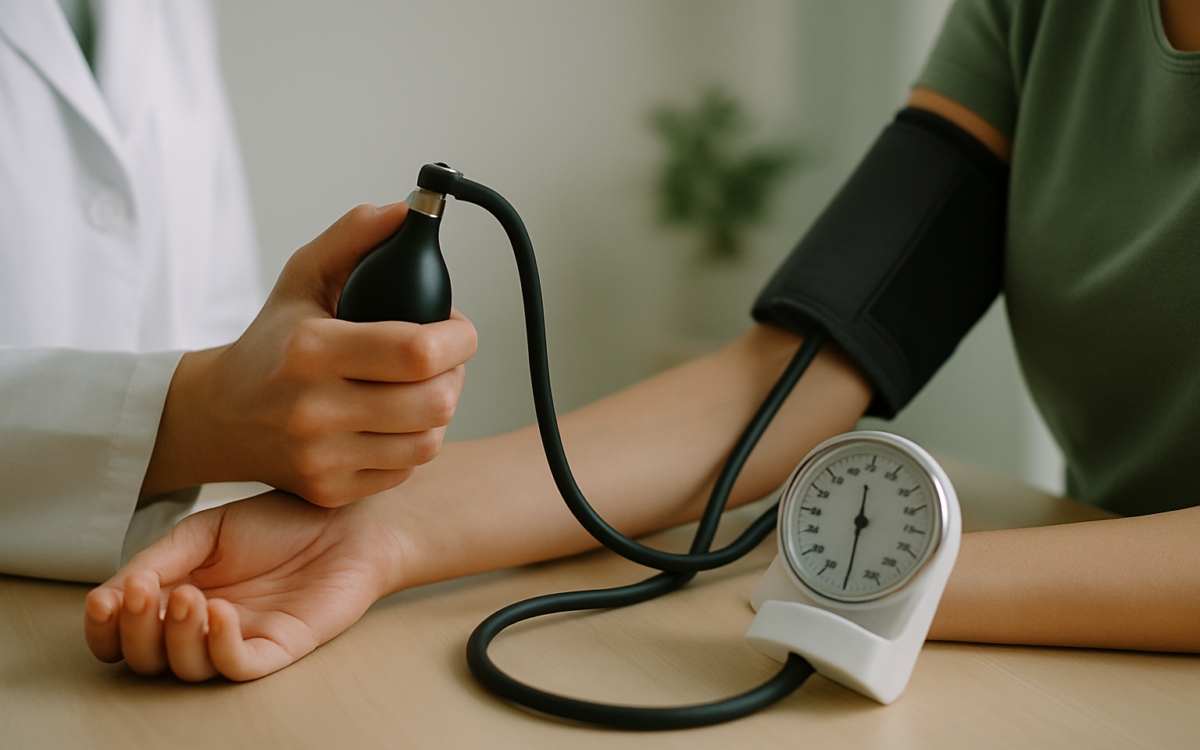
Many people are aware of high blood pressure, but low blood pressure, or hypotension, can also lead to discomfort and health concerns. If you’re experiencing symptoms like dizziness, fainting, or fatigue, you might be interested in how to safely increase your blood pressure. Here, we will explore various methods that may help you manage and improve your blood pressure levels.
Understanding Low Blood Pressure
Low blood pressure is generally defined as having a reading below 90/60 mmHg. While some people may function perfectly well with low blood pressure, others may feel unwell. Symptoms can include lightheadedness, blurred vision, fatigue, and nausea. Knowing when low blood pressure becomes a problem is crucial. If you suspect your blood pressure is too low, it’s important to consult a healthcare professional.
Stay Hydrated
One of the most straightforward ways to help increase blood pressure is by staying well-hydrated. When you’re dehydrated, your blood volume decreases, which can lead to lower blood pressure. Drinking plenty of fluids, especially water, can boost your blood volume and, subsequently, your blood pressure.
Consider these tips to enhance your hydration:
- Drink water consistently throughout the day.
- Avoid excessive caffeine and alcohol, as they can lead to dehydration.
- In warm weather or during exercise, increase fluid intake to replenish losses.
Choose the Right Foods
Your diet plays a significant role in managing your blood pressure. Incorporating certain foods can help improve blood pressure levels. Here are some dietary suggestions:
- Salt: Sodium can increase blood pressure. If your doctor approves, consider adding a bit more salt to your meals.
- Foods rich in vitamin B12: Foods like eggs, fortified cereals, and meats can help prevent anemia, which can lead to low blood pressure.
- Folate-rich foods: Leafy greens, beans, and nuts can support overall blood health.
- Small, frequent meals: Eating smaller meals more frequently can help prevent blood pressure drops, especially after eating.
Exercise Regularly
Engaging in regular exercise can help manage low blood pressure. Physical activity enhances blood flow and circulation, which can stabilize blood pressure levels over time. However, it’s essential to approach exercise correctly:
- Start slowly and gradually increase the intensity of your workouts.
- Incorporate a mix of aerobic exercises (like walking, cycling, or swimming) and strength training.
- Be cautious with activities that could lead to overheating or dehydration, especially in warm weather.
Wear Compression Stockings
If you experience low blood pressure symptoms when standing, compression stockings may be a useful tool. These stockings help improve circulation and prevent blood from pooling in your legs. This, in turn, can help maintain blood pressure levels and reduce dizziness.
Choose stockings that fit comfortably, and consider the following:
- Look for knee-high or thigh-high options based on your comfort.
- Consult with a healthcare provider about the best types for your needs.
Manage Stress Effectively
Stress can have various effects on the body, including blood pressure fluctuations. Learning how to manage stress effectively can be beneficial not just for mental health, but also for physical health. Here are some practices you might consider:
- Mindfulness and meditation: These practices can help calm the mind and reduce stress.
- Breathing exercises: Deep, controlled breathing can help lower stress levels.
- Physical activity: Exercise is a fantastic way to relieve stress.
When to See a Doctor
If lifestyle changes do not alleviate your symptoms, or if you experience severe symptoms like fainting, confusion, or extreme fatigue, consult a healthcare professional. Certain medical conditions or medications can also contribute to low blood pressure, so working closely with a physician is essential for determining the underlying cause and appropriate treatment.
For more information about hypotension and its management, you can visit reputable resources such as the Mayo Clinic and the National Institutes of Health.
While it’s crucial to take steps to manage your blood pressure, remember that individual responses can vary. Always consult with your healthcare provider before making significant changes to your lifestyle or dietary habits.
By understanding your body and embracing simple changes to your daily routine, you can help boost your blood pressure safely and effectively.
