
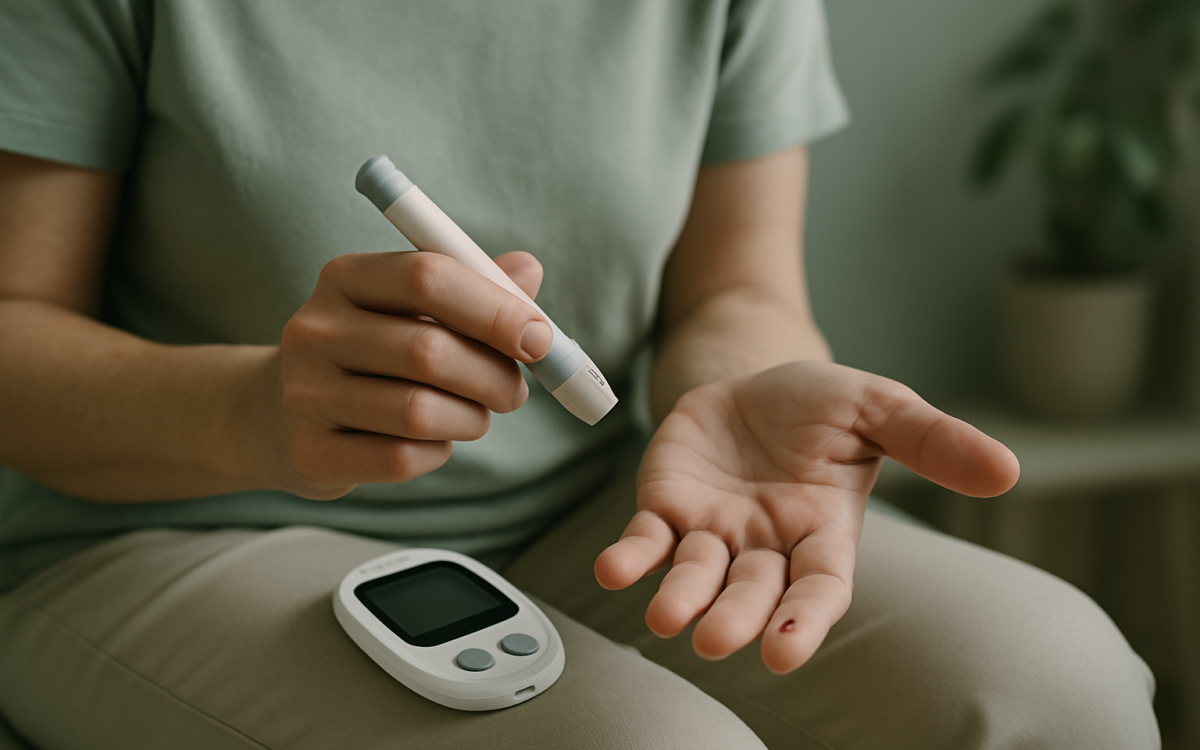
As the prevalence of diabetes continues to rise, understanding prediabetes is more important than ever. Often described as a warning sign, prediabetes occurs when blood sugar levels are higher than normal but not high enough to be classified as type 2 diabetes. The great news is that if you catch it early, you can make lifestyle changes to prevent the progression to diabetes. But how can you recognize the warning signs?
What is Prediabetes?
Prediabetes is a serious health condition where blood sugar levels are elevated but not yet at a threshold to be considered diabetes. According to the Centers for Disease Control and Prevention (CDC), approximately 88 million American adults have prediabetes, a serious health condition where blood sugar levels are elevated but not yet at a threshold to be considered diabetes. This condition can lead to serious health problems, including heart disease and stroke. Recognizing the signs and symptoms is crucial to managing your health effectively.
Common Signs of Prediabetes
Many people with prediabetes exhibit few, if any, symptoms. However, here are some common signs to watch for:
- Increased Thirst: Feeling thirsty more often than usual can indicate that your body is trying to flush out excess sugar through urine.
- Frequent Urination: An increased need to urinate can be a response to elevated blood sugar levels.
- Fatigue: Experiencing tiredness can be linked to the body’s inability to use insulin effectively.
- Blurred Vision: High blood sugar can cause fluid to be pulled from the lenses of your eyes, leading to blurred vision.
- Dark Patches of Skin: Acanthosis nigricans, a condition resulting in dark patches mainly in body folds, can be a sign of insulin resistance.
Understanding Insulin Resistance
Insulin resistance is a key factor in the development of prediabetes and type 2 diabetes. Normally, insulin helps your cells absorb glucose for energy. However, when your cells become resistant to insulin, glucose can’t enter, causing blood sugar levels to rise. Symptoms of insulin resistance may include being overweight, particularly if weight is concentrated around the abdomen. If you have excess body fat, especially around your waist, your risk for developing prediabetes increases.
Risk Factors for Developing Prediabetes
Several factors can increase the likelihood of developing prediabetes:
- Age: The risk increases as you get older, particularly after age 45.
- Weight: Being overweight or obese is a significant risk factor.
- Family History: A family history of diabetes can increase your risk.
- Physical Inactivity: A sedentary lifestyle contributes to weight gain and elevates the risk.
- Gestational Diabetes: If you had diabetes during pregnancy, you’re at a higher risk for developing prediabetes later in life.
Checking Your Blood Sugar
The only way to truly know if you have prediabetes is through testing. Several blood tests can help measure your blood sugar levels:
- Fasting Blood Sugar Test: Measures blood sugar levels after an overnight fast.
- Oral Glucose Tolerance Test (OGTT): Measures blood sugar levels before and after drinking a sugary solution.
- Hemoglobin A1c Test: Provides an average of your blood sugar levels over the past two to three months.
Consulting your healthcare provider about screenings is especially important if you possess any risk factors.
Lifestyle Changes for Prevention
If you identify with any signs of prediabetes, adopting healthier lifestyle habits is essential. Here are some effective ways to manage blood sugar and reduce the risk of diabetes:
- Healthy Eating: Focus on a balanced diet rich in vegetables, whole grains, lean proteins, and healthy fats. Limit sugar, refined carbohydrates, and processed foods.
- Regular Physical Activity: Aim for at least 150 minutes of moderate aerobic activity each week, such as walking, swimming, or cycling.
- Weight Management: Losing even a small percentage of your body weight can significantly lower your risk.
- Monitor Your Health: Regular check-ups with your healthcare provider can help track your progress and adjust your prevention strategies as needed.
The Role of Healthcare Providers
Regular visits to a healthcare professional can guide you through prediabetes management, including nutritional counseling and structured exercise planning. Developing a team approach with your provider can greatly enhance your chances of successful lifestyle adjustments.
When to See a Doctor
If you notice any signs of prediabetes, it’s essential to consult a healthcare professional. They can evaluate your symptoms, recommend appropriate tests, and help you develop a personalized plan. Early intervention can reduce the risk of developing type 2 diabetes significantly.
Conclusion
Being aware of the signs and risk factors associated with prediabetes is crucial in preventing the potential progression to diabetes. By understanding your body and making healthy lifestyle changes, you can effectively manage your health and reduce your risk. Remember, it’s essential to consult a healthcare provider if you suspect you may have prediabetes. Early detection and intervention can pave the way for a healthier, happier future.
