
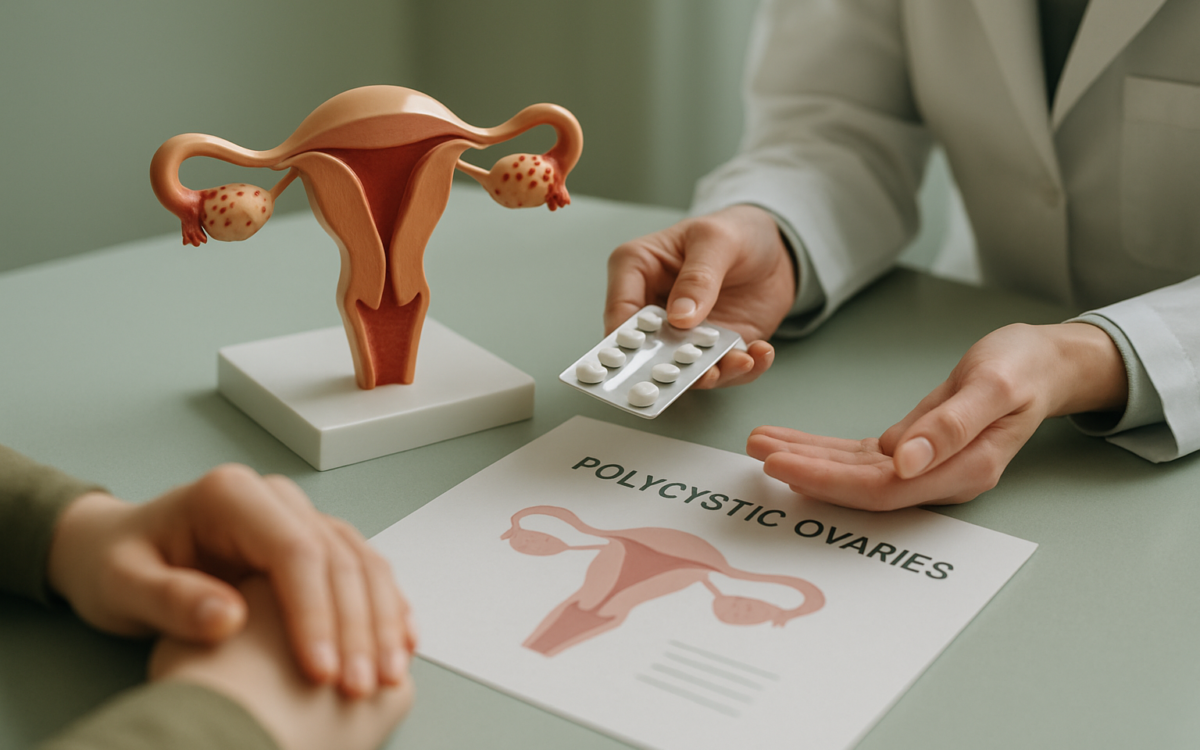
Polycystic ovaries, a condition often associated with hormonal imbalances, affect many women worldwide. Characterized by enlarged ovaries containing numerous small cysts, this condition can lead to a variety of symptoms, including irregular menstrual cycles, weight gain, and fertility issues. Understanding polycystic ovary syndrome (PCOS) is crucial, as it empowers women to seek the appropriate treatment and improve their overall health and well-being.
What are polycystic ovaries?
Polycystic ovaries refer specifically to the appearance of the ovaries on an ultrasound; they appear larger and contain multiple small fluid-filled sacs called follicles. While not all women with polycystic ovaries necessarily have PCOS, those who do may experience a range of symptoms due to hormonal imbalances. PCOS can manifest in various ways, including:
- Menstrual irregularities
- Excess body hair (hirsutism)
- Acne and oily skin
- Weight gain
- Skin tags
- Thinning hair on the scalp
Understanding these symptoms can be a first step towards seeking treatment and navigating this complex condition.
How is PCOS diagnosed?
Diagnosis typically involves a combination of information gathered from a patient’s medical history, physical examination, and lab tests. Doctors may perform blood tests to measure hormone levels and look for signs of insulin resistance. In most cases, an ultrasound is performed to visualize the ovaries and assess for the presence of cysts.
According to the National Institutes of Health (NIH), the Rotterdam criteria are commonly used for diagnosis. These criteria require that a woman should have at least two of the following three features:
- Irregular or absent menstrual cycles
- Excessive androgen levels (e.g., hirsutism, acne)
- Polycystic ovaries visible on ultrasound
If you suspect you may have this condition, consulting with a healthcare provider is essential for accurate diagnosis and guidance.
Treatment options for polycystic ovaries
While there is currently no cure for PCOS, various treatment options can help manage the symptoms effectively. The choice of treatment often depends on a woman’s individual symptoms and whether she is trying to conceive. Here are some common approaches:
1. Lifestyle changes
A healthy lifestyle can significantly mitigate the effects of PCOS. Doctors often recommend:
- Diet: A balanced diet rich in fruits, vegetables, whole grains, and lean proteins can help manage weight and improve insulin sensitivity.
- Exercise: Regular physical activity can help decrease weight, regulate menstrual cycles, and improve overall health.
Even modest weight loss (about 5-10% of body weight) can help alleviate symptoms.
2. Medications
Several medications may be prescribed depending on the specific symptoms. Common options include:
- Hormonal birth control: Pills, patches, and rings can regulate menstrual cycles and reduce symptoms like acne and excessive hair growth.
- Metformin: Originally used to manage diabetes, this medication can improve insulin sensitivity and may aid in weight loss.
- Clomiphene citrate: If fertility is a concern, this medication can stimulate ovulation.
It’s important to have an open conversation with your healthcare provider when discussing these options.
3. Fertility treatments
Women with PCOS who wish to conceive may explore fertility medications or assisted reproductive technologies. Fertility specialists may recommend options such as in vitro fertilization (IVF) if traditional methods aren’t effective. Treatment in Turkey has become popular for many seeking affordable and high-quality care, making it a potential consideration for women exploring various fertility options.
4. Alternative therapies
Some women find success with complementary therapies such as acupuncture, yoga, or supplements like inositol and omega-3 fatty acids. While these treatments may not have extensive scientific backing, they can contribute to overall well-being.
Emotional support and coping strategies
Facing the challenges of PCOS can be emotionally taxing. Many women experience anxiety or depression related to their symptoms. Finding support through therapy, peer support groups, or even online forums can be invaluable. Engaging with others who understand the journey can help in coping with the emotional strain of managing the condition.
When to see a doctor
While you might notice mild symptoms of PCOS, it’s important to consult a doctor if:
- Your menstrual cycles are irregular or absent.
- You experience significant weight gain or difficulty losing weight.
- You notice signs of excessive hair growth or acne.
- You are trying to conceive and have not been successful.
Your healthcare provider can guide you through the diagnosis and treatment options that work best for you.
Ultimately, managing polycystic ovaries involves a multi-faceted approach. By understanding the symptoms, seeking the right treatment, and fostering emotional resilience, women can navigate this complex condition with confidence.
