
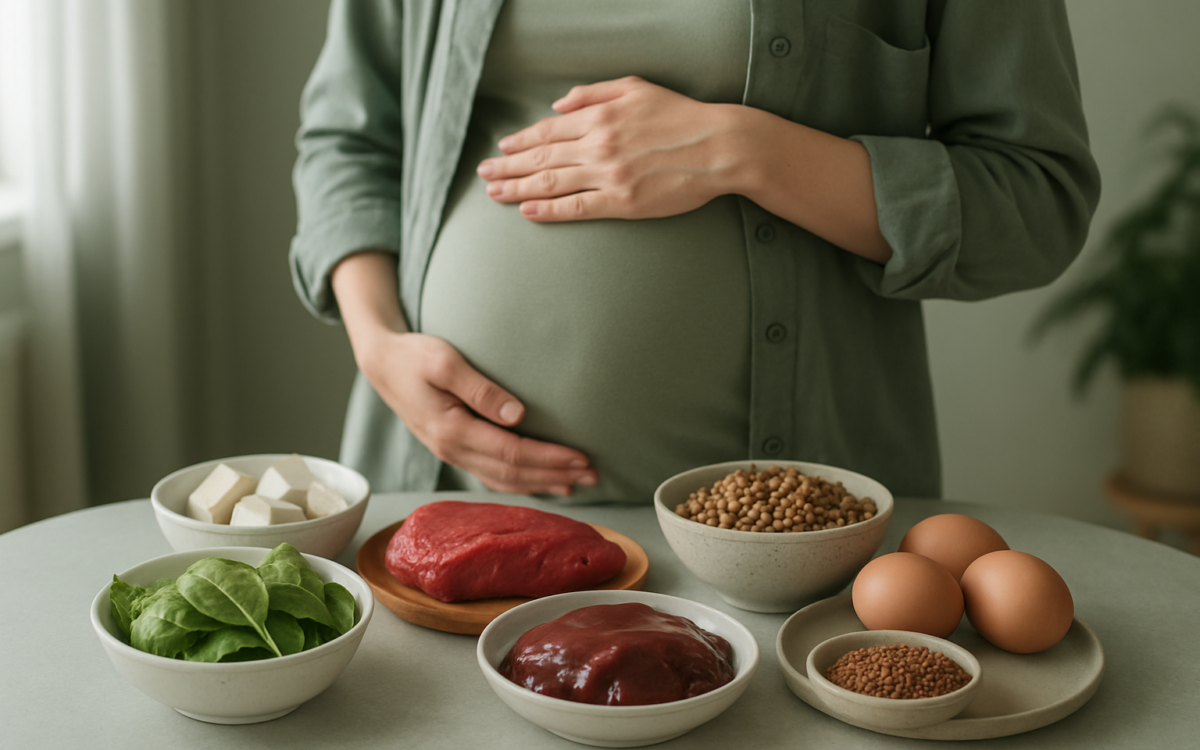
Pregnancy is a beautiful journey filled with exciting changes and new experiences. As your body grows a new life, proper nutrition becomes crucial. One key component of a healthy diet during pregnancy is iron. An iron-rich diet helps support both the mother’s and the baby’s health. In this article, we will explore iron-enriched foods that are beneficial during pregnancy, the significance of these foods, how they can be incorporated into your meals, and tips to enhance iron absorption.
The Importance of Iron in Pregnancy
Iron is an essential mineral that plays several vital roles in the body, especially during pregnancy. It is crucial for the production of hemoglobin, the protein in red blood cells that carries oxygen to the body’s tissues. Increased blood volume during pregnancy requires more iron to support the developing fetus and maintain maternal health.
According to the National Institutes of Health (NIH), pregnant women need about 27 milligrams of iron each day, significantly more than the amount required by non-pregnant women. Low iron levels can lead to iron deficiency anemia, which can cause fatigue, weakness, and complications during labor. Ensuring adequate iron intake is essential for both you and your baby.
Top Iron-Enriched Foods for Pregnant Women
Incorporating a variety of iron-rich foods into your diet can help meet the increased iron demands of pregnancy. Here are some excellent sources of iron:
- Red Meat: Beef, lamb, and pork are rich in heme iron, which is more easily absorbed by the body compared to non-heme iron.
- Poultry: Chicken and turkey provide a good source of heme iron and can be easily added to a variety of dishes.
- Seafood: Oil-rich fish like salmon and tuna are not only good sources of iron but also provide essential omega-3 fatty acids, which support brain development in the baby.
- Legumes: Lentils, chickpeas, and beans are excellent plant-based sources of iron. They are high in fiber and protein as well.
- Dark Leafy Greens: Spinach, kale, and collard greens contain non-heme iron. Pair them with vitamin C-rich foods to enhance iron absorption.
- Nuts and Seeds: Pumpkin seeds, cashews, and almonds not only provide iron but also healthy fats and protein.
- Fortified Foods: Many cereals and grains are fortified with iron. Check the labels to ensure they meet your needs.
How to Incorporate Iron-Enriched Foods into Your Diet
Including these iron-rich foods in your daily meals can be both delicious and fulfilling. Here are some ideas to help you get started:
- Breakfast: Start your day with fortified cereal topped with fresh fruit and a handful of nuts for added iron.
- Lunch: Prepare a salad with spinach, chickpeas, and slices of grilled chicken or turkey. Drizzle with a lemon vinaigrette for an extra vitamin C boost.
- Dinner: Make a hearty beef stew loaded with root vegetables and served with whole-grain bread for a wholesome meal.
- Snacks: Keep snacks simple with a mix of dried fruits and nuts or whole-grain crackers with hummus made from iron-rich chickpeas.
Enhancing Iron Absorption
While incorporating iron-rich foods into your diet is essential, it’s equally important to know how to enhance iron absorption. Here are a few tips:
- Pair Iron with Vitamin C: Foods rich in vitamin C, such as citrus fruits, bell peppers, and tomatoes, can significantly enhance the absorption of non-heme iron from plant sources.
- Avoid Calcium at Iron-Rich Meals: Calcium can inhibit iron absorption, so try to consume dairy products separately from iron-rich meals.
- Limit Certain Beverages: Drinking tea or coffee during meals can hinder iron absorption due to tannins. Instead, enjoy these beverages between meals.
Iron Supplements: Do You Need Them?
While a well-balanced diet rich in iron is ideal, some women may still require supplements during pregnancy. The World Health Organization (WHO) recommends that pregnant women take iron supplements, especially if they are at risk for anemia or have dietary restrictions. It’s essential to discuss this with your healthcare provider to determine the best approach for your individual needs.
When to See a Doctor
If you’re concerned about your iron levels or experience symptoms like unusual fatigue, pale skin, or shortness of breath, consider consulting your healthcare provider. They can evaluate your iron levels through blood tests and guide you in making the best dietary choices. Managing your nutrition during pregnancy is vital, and a doctor can help ensure that both you and your baby are healthy.
In conclusion, consuming iron-enriched foods during pregnancy is crucial for maintaining optimal health. By understanding the importance of iron, incorporating a variety of iron-rich foods into your meals, and employing tips to enhance absorption, you can support your body and your growing baby. Remember, always consult with your healthcare provider to tailor your nutrition plan to meet your specific needs during this important time.
