
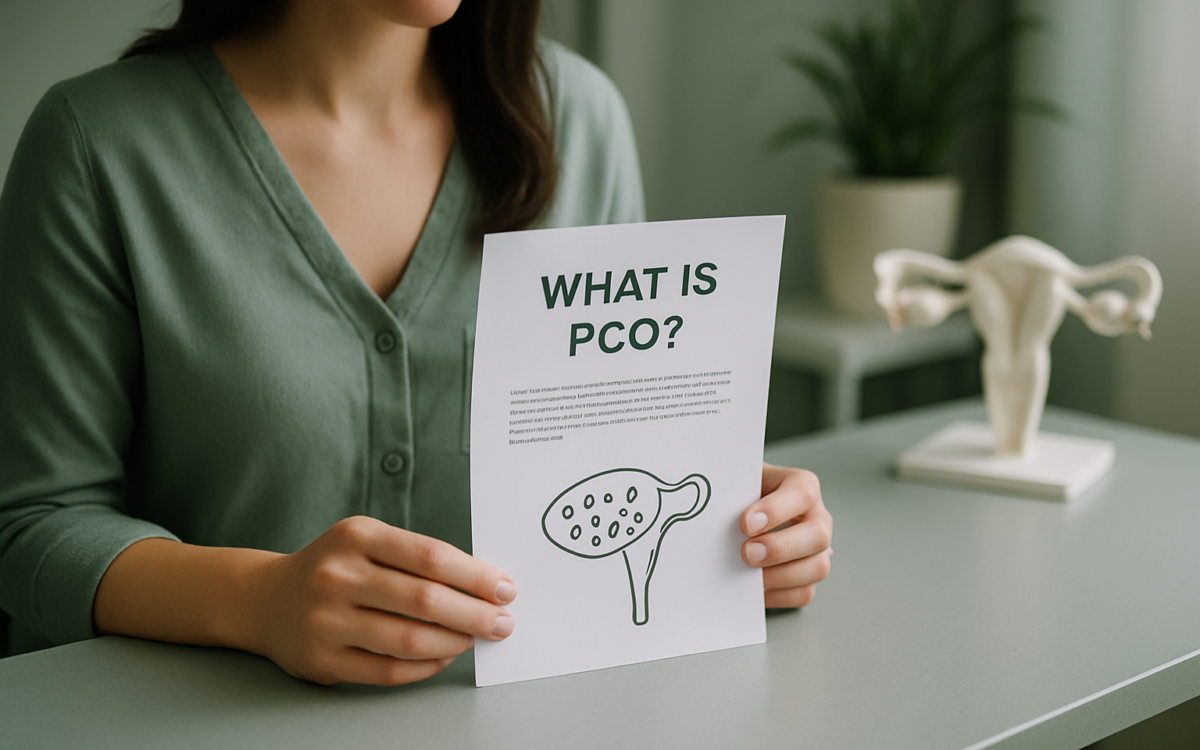
Polycystic Ovarian Syndrome (PCO), often referred to as Polycystic Ovary Syndrome (PCOS), is a health condition that affects how a woman’s ovaries work. It’s estimated that PCOS affects approximately 1 in 10 women of childbearing age. The condition is characterized by a variety of symptoms and can lead to significant health issues if left unmanaged. Understanding PCO is crucial for many women, particularly as it can influence both reproductive health and overall well-being.
What is Polycystic Ovarian Syndrome?
Polycystic Ovarian Syndrome is a hormonal disorder that often includes a range of symptoms such as irregular menstrual cycles, excess hair growth, acne, and weight gain. Women with PCOS may have enlarged ovaries that contain numerous small cysts, which are fluid-filled sacs that can develop during the ovulation process. However, not all women with PCOS will have visible cysts on their ovaries.
Symptoms of PCO
Symptoms of PCO can vary widely from one woman to another. Some common symptoms include:
- Irregular Menstrual Cycles: Women may experience infrequent, irregular, or prolonged menstrual periods.
- Excess Hair Growth: Increased facial and body hair, also known as hirsutism, can occur due to elevated androgen levels.
- Acne and Oily Skin: Hormonal imbalances may lead to more acne breakouts and greasy skin.
- Weight Gain: Many women with PCOS experience difficulty maintaining a healthy weight, often leading to overweight or obesity.
- Thinning Hair: Some women may notice hair thinning on their scalp.
- Dark Patches of Skin: Skin issues such as acanthosis nigricans, characterized by darkened areas, can develop.
Causes of PCO
The exact cause of PCO is not fully understood, but several factors appear to play a role:
Hormonal Imbalances
Women with PCOS often have higher levels of androgens, which are male hormones that women also produce. This imbalance can disrupt the normal ovulation process, leading to symptoms.
Insulin Resistance
Many women with PCOS have insulin resistance, where the body’s cells do not respond effectively to insulin. This can lead to increased blood sugar levels and weight gain, further complicating the condition.
Genetic Factors
There may be a genetic component, as PCOS can run in families. If a mother or sister has PCOS, the chances of another female relative developing the condition may increase.
Diagnosing PCO
Diagnosing PCO typically involves a combination of methods:
- Medical History: Doctors may review your menstrual cycle, symptoms, and family health history.
- Physical Exam: A physical examination may check for signs like excess hair growth or weight issues.
- Ultrasound: An ultrasound can help visualize the ovaries to check for cysts.
- Blood Tests: Hormone levels may be measured through blood tests to identify irregularities.
Managing PCO
While there is no cure for PCO, various management strategies can help alleviate symptoms and reduce the risk of associated health issues:
Lifestyle Changes
Maintaining a balanced diet and a regular exercise routine can help manage weight and reduce insulin resistance. A healthy lifestyle can significantly improve symptoms for many women.
Medications
Healthcare providers might recommend medications to regulate menstrual cycles, treat skin issues, or lower blood sugar levels. Common treatments include:
- Hormonal Birth Control: Birth control pills can help regulate the menstrual cycle and reduce androgen levels.
- Metformin: Often used to treat insulin resistance, metformin can help improve symptoms in women with PCOS.
Fertility Treatments
If pregnancy is a goal, treatments may include medications to induce ovulation or assisted reproductive technologies.
Long-Term Health Risks
Women with PCO are at an increased risk for several long-term health conditions, including:
- Type 2 Diabetes: The insulin resistance associated with PCOS can lead to prediabetes or diabetes.
- Heart Disease: Elevated cholesterol and blood pressure levels can increase the risk of heart-related issues.
- Endometrial Cancer: Irregular menstruation can lead to a thickening of the uterine lining, raising cancer risks.
When to See a Doctor
If you identify with several symptoms or have concerns about your menstrual cycle, weight, or overall health, it’s essential to consult a healthcare provider. Early diagnosis and intervention can lead to better management and outcomes.
Understanding Polycystic Ovarian Syndrome can empower women to take control of their health. While managing the condition can be challenging, knowledge and support are key in navigating the journey of PCO.
For more detailed information, you can visit resources from the Mayo Clinic or the National Institutes of Health.
