
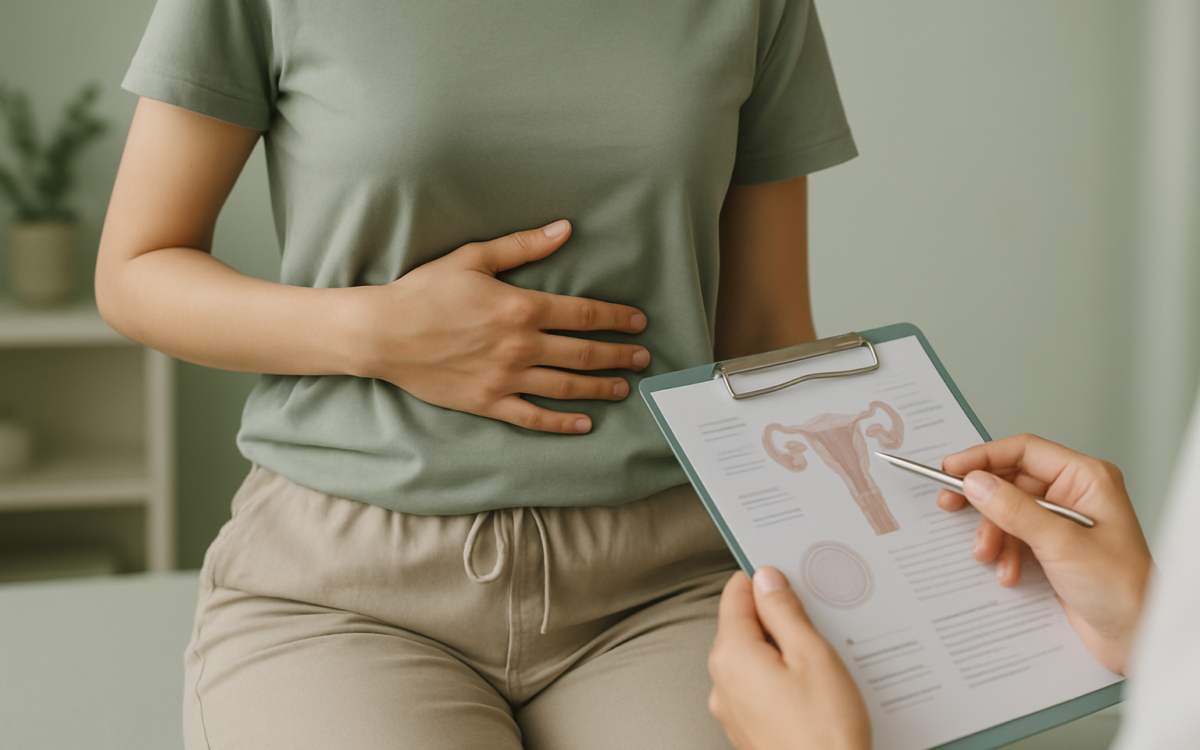
Polycystic Ovary Syndrome (PCOS) is a common hormonal disorder that can impact women during their reproductive years. Understanding how to identify the various signs and symptoms of PCOS is crucial for effective management. In this article, we’ll explore the common symptoms, how they relate to PCOS, and when it’s important to talk to a healthcare provider.
What is PCOS?
PCOS affects the way a woman’s ovaries work, leading to a range of symptoms. Women with PCOS may experience hormonal imbalances, irregular menstrual cycles, and problems with ovulation. While the exact cause of PCOS isn’t fully understood, factors such as genetics, insulin resistance, and inflammation may play a role in its development.
Common Symptoms of PCOS
Identifying PCOS can be challenging due to its varied symptoms. Here are some of the most common signs to look out for:
- Irregular Menstrual Cycles: Many women with PCOS have fewer than eight periods a year, or the cycles may be very irregular.
- Excess Hair Growth: Known as hirsutism, this symptom includes abnormal hair growth on areas like the face, chest, or back.
- Weight Gain: Many women with PCOS struggle with weight gain or obesity, often around the abdomen.
- Acne and Oily Skin: Some women may notice an increase in acne or oily skin due to hormonal fluctuations.
- Thinning Hair: Hair loss on the scalp can occur in women with PCOS, often resembling male-pattern baldness.
- Skin Tags: Small, benign skin growths often appear on the neck or underarms.
Understanding Hormonal Imbalances
Hormonal imbalances are a hallmark of PCOS, often influenced by elevated levels of androgens. These male hormones are usually present in smaller amounts in women. Higher androgen levels can lead to symptoms such as hirsutism, acne, and irregular ovulation. Insulin resistance is also common in women with PCOS, which can further complicate symptoms.[1]
Diagnosing PCOS
Diagnosis typically involves a thorough medical history, physical examination, and sometimes blood tests to measure hormone levels. An ultrasound may also be used to examine the ovaries for cysts. It’s essential for women who suspect they have PCOS to consult their healthcare provider for proper evaluation and diagnosis.
Impact on Fertility
PCOS can significantly affect a woman’s fertility. Irregular ovulation can lead to challenges in getting pregnant. However, many women with PCOS do conceive successfully, often with the aid of fertility treatments or lifestyle changes. Discussing your concerns with a healthcare professional is vital to create a personalized plan for managing both PCOS and family planning.
Managing PCOS Symptoms
While there is no one-size-fits-all treatment for PCOS, various options can help manage its symptoms. These may include:
- Lifestyle Changes: Eating a balanced diet and engaging in regular physical activity can help manage weight and insulin levels.
- Medications: Hormonal birth control can regulate menstrual cycles and reduce androgen levels, while other medications can help with insulin resistance.
- Support Groups: Connecting with others facing similar challenges can provide emotional support and practical tips.
Consulting with a healthcare provider can help determine the best management plan tailored to individual needs.
When to See a Doctor
If you’re experiencing symptoms that could indicate PCOS, such as irregular periods, excessive hair growth, or difficulties with weight, it’s important to consult a healthcare professional. Early diagnosis and intervention can make a big difference in managing the condition and improving overall health.
For more information on PCOS and its management options, consider visiting reputable sources like the Mayo Clinic or the World Health Organization.
Understanding how to recognize the signs of PCOS can empower women to seek help sooner, leading to better health outcomes. If you’re facing symptoms that concern you, don’t hesitate to reach out to a healthcare professional for personalized advice and support.
