
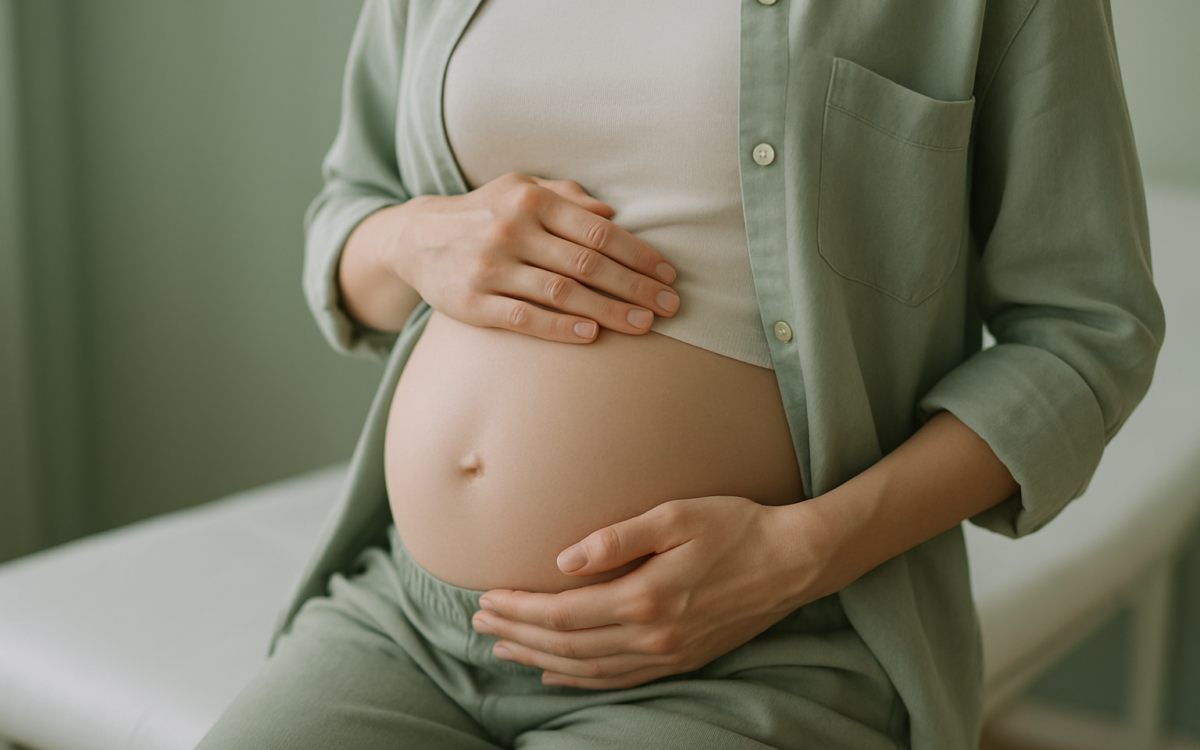
Pregnancy is an exciting journey filled with many changes in your body, especially in those early weeks. If you’re two months pregnant, you might already be noticing changes in your tummy. At this stage, your body is adapting to support your growing baby, and it’s entirely natural to be curious about what’s happening inside. In this article, we’ll delve into what you might expect with your tummy at two months pregnant, the factors that impact these changes, and when to seek guidance from a healthcare provider.
Physical Changes in Your Tummy
During the second month of pregnancy, your body is working hard to create a nurturing environment for your baby. At this stage, many women notice that their abdomen starts to feel different.
Growing Uterus
Your uterus begins to expand as the embryo grows. Although it’s still early, many women might feel some bloating or pressure in their lower abdomen. This is due to hormonal changes and the body’s preparations for pregnancy. According to the NIH, hormonal levels significantly increase, affecting various body systems and leading to this sensation.
Symptoms You Might Experience
At two months pregnant, it’s common to experience several symptoms that can affect your tummy and overall comfort.
Bloating and Gas
One of the more common complaints during early pregnancy is bloating. Progesterone, a hormone that increases during pregnancy, can slow down digestion, resulting in excess gas and a feeling of fullness. You may notice your tummy feels tighter or puffier, which can occasionally be uncomfortable.
Nausea
Nausea, often referred to as morning sickness, can also be part of this stage. While it may not directly impact the size of your tummy, the discomfort can make you feel less inclined to eat, which can affect your overall health and energy levels. According to the Mayo Clinic, around 50% to 80% of pregnant women experience nausea, typically easing around the end of the first trimester.
What to Expect: Tummy Size and Shape
At two months pregnant, your belly may not yet show a prominent bump, but there are still notable changes in shape, especially as your body responds to pregnancy.
Individual Variations
Every woman’s body reacts differently to pregnancy. Factors like your body type, previous pregnancies, and even genetics play a role in how soon your tummy will begin to show. Some women may find that they are more bloated or that they feel their clothes fitting tighter, while others may not see much change at all.
When Will the ‘Bump’ Appear?
Generally, many women start to show by the end of the first trimester or the beginning of the second. However, the baby is still quite small at this stage, often about the size of a raspberry, so any visible changes are largely due to your body’s adjustments rather than the baby itself.
Emotional Changes Alongside Physical Changes
As your body transforms, it’s equally important to recognize the emotional shifts that can accompany pregnancy.
Hormonal Shifts
The surge of hormones can have a significant impact on your mood and emotional stability. It’s common to feel a mix of excitement, anxiety, or even sadness as your body undergoes these changes. Understanding that these feelings are normal can help ease the emotional toll of pregnancy.
Support Systems
Connecting with supportive friends, family, or online forums can help during this time. Sharing experiences with other expectant mothers can combat feelings of isolation and provide valuable insights into the changes you are experiencing.
Nutrition and Care at Two Months Pregnant
Taking care of your body is crucial during your pregnancy, especially in the early months. What you eat and how you care for yourself can influence your overall health and that of your developing baby.
Healthy Eating Choices
Focusing on a balanced diet rich in nutrients is important. Incorporate fruits, vegetables, whole grains, and lean proteins. To help manage nausea, consider smaller, more frequent meals rather than three large ones. Staying hydrated is also essential for your well-being.
Regular Check-Ups
Ensure you schedule regular check-ups with your healthcare provider. They will monitor your pregnancy progression, answer your concerns about your tummy and body changes, and provide guidance on nutrition and wellness. As per the CDC, early prenatal care is crucial for the health of both you and your baby.
When to See a Doctor
While many changes at two months pregnant are normal, some situations warrant a call to your healthcare provider.
- If you experience severe abdominal pain.
- Any heavy bleeding that resembles a menstrual period.
- If nausea interferes with your ability to keep food down.
- Signs of dehydration such as dizziness or headaches.
Always trust your instincts; if something doesn’t feel right, reach out for help.
In summary, at two months pregnant, your tummy will go through many changes, influenced by hormones and your body’s adjustments to support your developing baby. While you may not see a visible bump just yet, the internal changes are significant. Embrace the journey and reach out for support when necessary, ensuring you have a healthy and happy pregnancy.
