
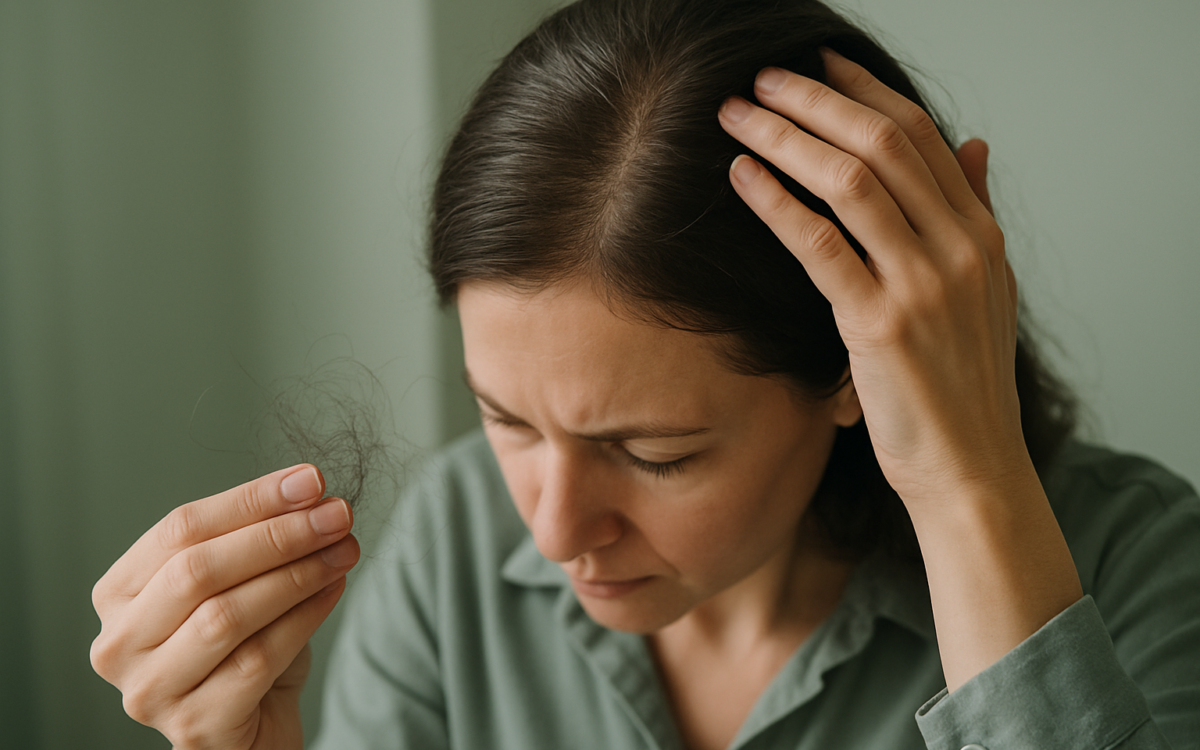
We’ve all had moments where we notice a few extra strands of hair in the shower drain or on our pillow. While it’s normal to lose some hair daily, recognizing the signs of hair loss early can be crucial in finding the right treatments or interventions. This article will help you understand the signs of hair loss, the types of hair loss, and when it might be time to seek professional advice.
Common Signs of Hair Loss
Hair loss can show up in various ways, and being attentive to these changes is key. Here are some of the most common indicators:
- Unusual Shedding: If you notice that more hair is falling out than usual—perhaps during washing, combing, or even while simply running your fingers through your hair—it may be a sign of hair loss.
- Thinning Hair: This can occur all over the scalp or in specific areas, particularly at the top or crown. If your hair feels less dense or you can see more of your scalp than before, it might be cause for concern.
- Receding Hairline: Especially common in men, a receding hairline can signify male pattern baldness. For some, this begins with a subtle shift, while for others, it may be more pronounced.
- Bald Spots: Patches of baldness can develop, particularly in men. If you notice circular or patchy areas on your scalp, it could indicate a condition known as alopecia areata.
- Hair Textures Changing: If your hair feels finer, or if the texture changes unexpectedly, it may signal underlying issues, including thinning.
Types of Hair Loss
Understanding the different types of hair loss can help you better identify your situation:
Androgenetic Alopecia
This is commonly referred to as male pattern baldness and is the most prevalent form of hair loss in men. It usually manifests as a receding hairline and thinning at the crown of the head. Over time, this can lead to more extensive hair loss.
Alopecia Areata
Alopecia areata is an autoimmune disorder that causes patchy hair loss. In some cases, all body hair can be lost. This condition can affect anyone regardless of age, and its exact cause is still not fully understood.
Telogen Effluvium
This temporary hair loss typically occurs after significant stress, hormonal changes, or medical events. It can lead to shedding of hair a few months after the initiating factor, but in many cases, the hair will regrow once the stressor is removed.
Traction Alopecia
This type of hair loss is caused by hairstyles that pull on the hair, such as tight ponytails or braids. Over time, this can weaken hair follicles and lead to thinning or bald areas.
Causes of Hair Loss
Hair loss can stem from various causes, ranging from genetic factors to environmental influences:
- Genetics: Family history plays a significant role in determining your chances of experiencing hair loss.
- Hormonal Changes: Conditions such as thyroid issues or hormonal imbalances can affect hair growth.
- Nutrition: Poor diet lacking essential vitamins and minerals can lead to hair loss. Nutrients such as iron, protein, and biotin are crucial for healthy hair.
- Stress: Extreme physical or emotional stress can trigger hair loss for some individuals.
- Medications: Certain medications, including those for cancer, arthritis, depression, and hypertension, can lead to hair thinning.
- Medical Conditions: Conditions like lupus or scalp infections can also lead to hair loss.
When to See a Doctor
If you notice any signs of hair loss, consider consulting a healthcare professional. It’s particularly important to seek advice if:
- Your hair loss starts suddenly or in patches.
- You notice more hair loss than usual accompanied by other symptoms, such as itching or flaky scalp.
- It’s causing anxiety or distress for you.
Your doctor may evaluate your overall health and consider laboratory tests to rule out any underlying conditions. They can also recommend appropriate treatment options based on your specific situation.
Maintaining Healthy Hair
In addition to keeping an eye on the signs of hair loss, it’s essential to adopt healthy hair habits:
- Nutrition: A balanced diet rich in vitamins and minerals supports overall health, including hair health. Foods high in omega-3 fatty acids, iron, and biotin can be beneficial for your hair.
- Gentle Care: When styling your hair, opt for gentle techniques. Avoid excessive heat and tight styles that pull on the scalp.
- Manage Stress: Engaging in relaxation techniques such as yoga, meditation, or deep breathing can alleviate stress levels that may impact hair health.
- Regular Check-ups: Routine medical advice, especially if you have a family history of hair loss, can help you stay informed and proactive.
Conclusion
Recognizing the signs of hair loss early can be crucial in determining the right steps to maintain your hair health. Understanding the conditions that contribute to hair loss could empower you to take proactive measures. If you’re concerned about changes in your hair, don’t hesitate to consult a healthcare professional. Taking care of your hair and overall health can lead to better outcomes and peace of mind.
