
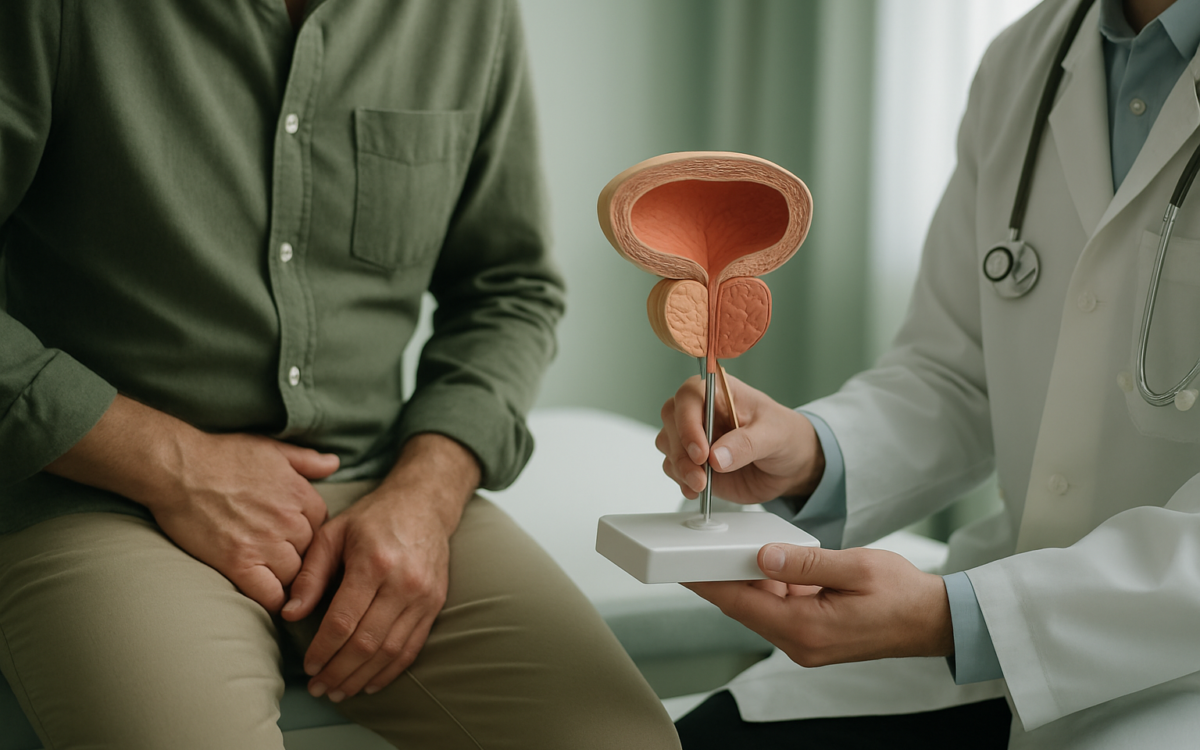
As men age, many will encounter various health issues, one of the most common being an enlarged prostate, also known as Benign Prostatic Hyperplasia (BPH). This condition can cause uncomfortable symptoms, but it is important to understand its nature, causes, and treatment options.
What Is an Enlarged Prostate?
The prostate is a small gland located below the bladder and surrounds part of the urethra. Its main function is to produce seminal fluid, which nourishes and transports sperm. As men get older, the prostate may grow larger due to hormonal changes, leading to BPH.
It’s essential to note that an enlarged prostate is not the same as prostate cancer. While both conditions affect the prostate, BPH is a benign enlargement and does not increase cancer risk.
Symptoms of an Enlarged Prostate
BPH can lead to various urinary symptoms due to pressure on the urethra. Common symptoms include:
- Frequent urination, especially at night (nocturia)
- Difficulty starting urination
- Weak urine stream
- Feeling of incomplete bladder emptying
- Urgency to urinate
- Dribbling at the end of urination
Although these symptoms can be bothersome, they vary from person to person. Some men may have mild symptoms that don’t require treatment, while others might find them significantly impacting their quality of life.
Causes and Risk Factors
The exact cause of an enlarged prostate is not completely understood, but hormonal changes are believed to play a significant role. Several factors may increase your risk for BPH:
- Age: The risk of developing BPH increases as men age.
- Family history: If your father or brother had BPH, you may be more likely to experience it.
- Obesity: Higher body weight is linked to a greater risk of BPH.
- Lifestyle factors: Lack of physical activity, smoking, and a diet high in fat can contribute to this condition.
Diagnosis of Enlarged Prostate
If you’re experiencing urinary symptoms, it’s important to consult your doctor. They will likely conduct a thorough medical history and perform a physical examination, including a Digital Rectal Examination (DRE) to assess the size of your prostate.
Additional tests may include:
- Urinalysis: To check for signs of infection or other issues.
- Prostate-specific antigen (PSA) test: A blood test to measure prostate-specific antigen levels.
- Bladder ultrasound: To evaluate how much urine is left in your bladder after urination.
Treatment Options
Depending on the severity of your symptoms, different treatment options are available:
Lifestyle Changes
For some men, simple lifestyle changes can help alleviate symptoms:
- Reducing fluid intake in the evening
- Avoiding caffeine and alcohol
- Practicing double voiding (urinating, then waiting a few moments and trying again)
Medications
If symptoms are more severe, medications may be prescribed. Common types include:
- Alpha-blockers: These medications help relax the muscles around the prostate and bladder neck, improving urine flow.
- 5-alpha reductase inhibitors: These drugs work by reducing the size of the prostate over time.
Surgical Options
In more severe cases, surgery may be necessary. Procedures can range from minimally invasive options to traditional surgery, depending on the individual’s condition. Surgical options include:
- Transurethral resection of the prostate (TURP): This is a common procedure that removes excess prostate tissue.
- Laser therapy: This method uses high-energy lasers to remove or destroy prostate tissue.
Managing Your Condition
Living with BPH can be challenging, but understanding the condition is the first step to managing it effectively. Regular check-ups with your healthcare provider are crucial to monitor symptoms and adjust treatments as needed. Additionally, communication about your symptoms and lifestyle is key to finding the best management plan.
When to See a Doctor
If you experience any urinary symptoms that concern you, it’s important to schedule an appointment with your healthcare provider. Seek immediate medical attention if you notice:
- Severe pain during urination
- Blood in your urine
- Persistent urinary retention or inability to urinate
- Signs of urinary tract infection (UTI), such as fever or chills
Conclusion
An enlarged prostate is a common issue as men age, but understanding its symptoms, causes, and treatment options can help in managing the condition effectively. If you are experiencing issues related to an enlarged prostate, consider consulting a healthcare provider to explore your options and enhance your quality of life.
