
Feeling tired, experiencing mood swings, or having difficulty maintaining muscle mass? These symptoms might be linked to low testosterone levels. Testosterone plays a vital role in overall health, especially for men, affecting mood, energy, and physical performance. If you suspect your testosterone levels may be off, knowing how to get tested is the first step toward understanding your health.
What Is Testosterone Testing?
Testosterone testing measures the level of testosterone in your blood. This hormone, produced mainly in the testicles in men and in smaller amounts in women, is crucial for various bodily functions, including muscle and bone health, fat distribution, and mood regulation.
Why Test for Testosterone Levels?
Understanding your testosterone levels can provide valuable insights into your overall health. Here are some reasons why you might consider going for a testosterone test:
- Symptoms of Low Testosterone: If you’re experiencing fatigue, depression, or difficulty concentrating, these could be signs of low testosterone.
- Sexual Health Issues: Low testosterone can lead to decreased libido or erectile dysfunction.
- Body Composition Changes: A significant loss of muscle mass, increased body fat, or changes in bone density can all signify hormonal imbalances.
It’s important to note that symptoms do not always correlate directly with testosterone levels. Therefore, consulting a healthcare provider for an accurate diagnosis is essential.
When to Get Tested
It’s generally recommended to test testosterone levels if you exhibit symptoms associated with low testosterone. In addition, routine testing may be suggested for men over 40 or those with conditions like obesity, diabetes, or chronic illnesses. Mayo Clinic advises discussing any concerns with your doctor, who may recommend testing based on your health history.
Preparing for Your Testosterone Test
Before your test, a few preparation steps can help ensure accurate results:
- Timing: Testosterone levels typically fluctuate throughout the day, peaking in the morning. Most labs recommend taking the test in the early morning hours.
- Avoid Certain Medications: Discuss any medications you are taking with your doctor, as some drugs can affect testosterone levels.
- Health History: Inform your doctor about any applicable family history or medical conditions that might influence the results.
Preparation can be crucial for obtaining a clear picture of your testosterone levels.
Understanding the Testing Process
The actual testing process is straightforward:
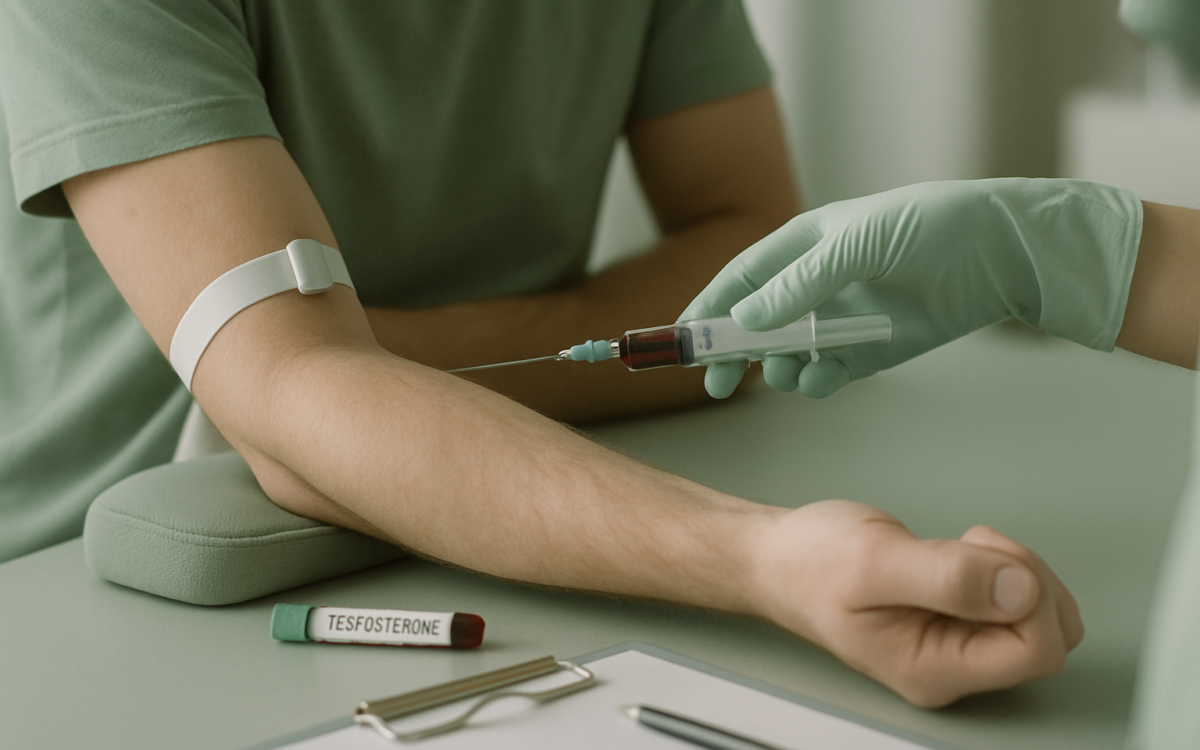
- Blood Sample: Healthcare professionals will usually perform the test by drawing blood from a vein, typically in your arm.
- Laboratory Analysis: The blood sample will then be analyzed in a laboratory, where technicians will measure your testosterone levels.
Results are usually available within a few days. Make sure to follow up with your healthcare provider to interpret the results accurately.
Interpreting Your Results
Testosterone levels are typically measured in nanograms per deciliter (ng/dL). While the normal range can vary based on many factors, including age and individual health, general ranges are:
- Normal levels: Approximately 300 to 1,000 ng/dL.
- Low testosterone: Levels below 300 ng/dL are often considered low.
Your healthcare provider will help interpret your results based on your symptoms, lifestyle, and overall health. They may also recommend additional tests if necessary.
Potential Next Steps After Testing
If your testosterone levels are found to be low, your doctor will discuss potential next steps, which might include:
- Lifestyle Changes: Improving diet, increasing physical activity, or managing stress can positively impact hormone levels.
- Medical Treatment: Options may include testosterone replacement therapy, but this approach comes with potential side effects and should be carefully considered.
- Continued Monitoring: Regular follow-up tests may be recommended to monitor testosterone levels and adjust treatment as needed.
Every individual’s situation is unique, so it’s essential to have an open dialogue with your healthcare provider regarding the best action.
When to See a Doctor
If you experience ongoing symptoms associated with low testosterone, including fatigue, mood changes, or sexual health issues, it’s time to consult your healthcare provider. They can help determine whether testing is appropriate or if other underlying conditions may be at play. Remember, you should not attempt to self-diagnose or self-treat based on symptoms alone.
In some cases, a doctor may recommend routine screenings when you reach a certain age or if you have specific risk factors. Open communication with your doctor can lead to timely interventions that can significantly impact your quality of life.
Conclusion
Understanding how to get testosterone tested is an important step in managing your health. Awareness of your testosterone levels can guide you and your healthcare provider in addressing symptoms and making informed choices about your well-being. If you suspect your testosterone might be too low or if you’re experiencing symptoms affecting your quality of life, don’t hesitate to reach out to your doctor for advice and testing options.
