
Type 2 diabetes is a chronic condition that affects the way your body processes sugar (glucose). It’s crucial to recognize its signs early because timely intervention can prevent complications. Understanding how to know if you have type 2 diabetes can empower you to take control of your health.
What Is Type 2 Diabetes?
Type 2 diabetes occurs when your body doesn’t use insulin properly, leading to elevated blood sugar levels. Insulin is a hormone that helps cells take in glucose for energy. If the body is resistant to insulin or if the pancreas does not produce enough insulin, glucose builds up in the blood, causing various health issues.
Common Symptoms of Type 2 Diabetes
Recognizing the symptoms of type 2 diabetes can make a significant difference. Here are some common signs you should watch out for:
- Increased thirst and frequent urination: Excess sugar in your bloodstream can lead to dehydration, making you feel thirsty.
- Extreme hunger: Despite eating, you may experience persistent hunger due to the body’s struggle to use glucose for energy.
- Fatigue: When your body can’t effectively use glucose, you might feel unusually tired or lethargic.
- Blurred vision: High blood sugar can lead to changes in fluid levels in your eyes, affecting your ability to see clearly.
- Slow-healing sores or frequent infections: Diabetes can impair your body’s ability to heal and fight infections.
Understanding Risk Factors
Some individuals are at a higher risk for developing type 2 diabetes. Understanding these risk factors can help you identify your susceptibility to this condition:
- Obesity: Carrying excess weight, especially around the abdomen, increases the risk of insulin resistance.
- Age: The risk increases as you get older, particularly after age 45.
- Family history: If a family member has type 2 diabetes, your chances may be higher.
- Lack of physical activity: A sedentary lifestyle can contribute to weight gain and insulin resistance.
- Unhealthy diet: Consuming excessive amounts of sugar and fats can elevate your blood sugar levels.
Testing for Type 2 Diabetes
If you suspect that you might have type 2 diabetes, it’s essential to consult with a healthcare provider for testing. There are several methods for diagnosing diabetes:
- Fasting Blood Glucose Test: This measures your blood sugar levels after fasting for at least eight hours.
- Random Blood Glucose Test: A blood sample is taken at any time regardless of when you last ate.
- Oral Glucose Tolerance Test: After fasting, you’ll drink a sugary solution, and your blood sugar levels will be measured at intervals.
- A1C Test: This test measures your average blood sugar over the past two to three months.
These tests are effective in determining your blood sugar levels and whether you meet the criteria for diagnosis, as outlined by the Centers for Disease Control and Prevention (CDC).
Complications of Untreated Type 2 Diabetes
If left untreated, type 2 diabetes can lead to severe health complications. These may include:
- Heart disease: People with diabetes are at a higher risk for heart issues.
- Nerve damage: Excess sugar can damage nerves, leading to neuropathy, especially in the legs.
- Kidney damage: Diabetes can lead to kidney failure and the need for dialysis.
- Vision loss: High blood sugar can lead to diabetic retinopathy, possibly causing blindness.
- Foot damage: Poor blood flow and nerve damage can lead to serious foot infections.
The Mayo Clinic emphasizes the importance of managing blood sugar levels to prevent these complications.
Living with Type 2 Diabetes
If diagnosed with type 2 diabetes, it’s crucial to adopt a comprehensive management plan. This typically includes:
- Healthy eating: Focus on a balanced diet rich in nutrients and low in refined sugars.
- Regular exercise: Aim for at least 150 minutes of moderate activity per week, such as brisk walking.
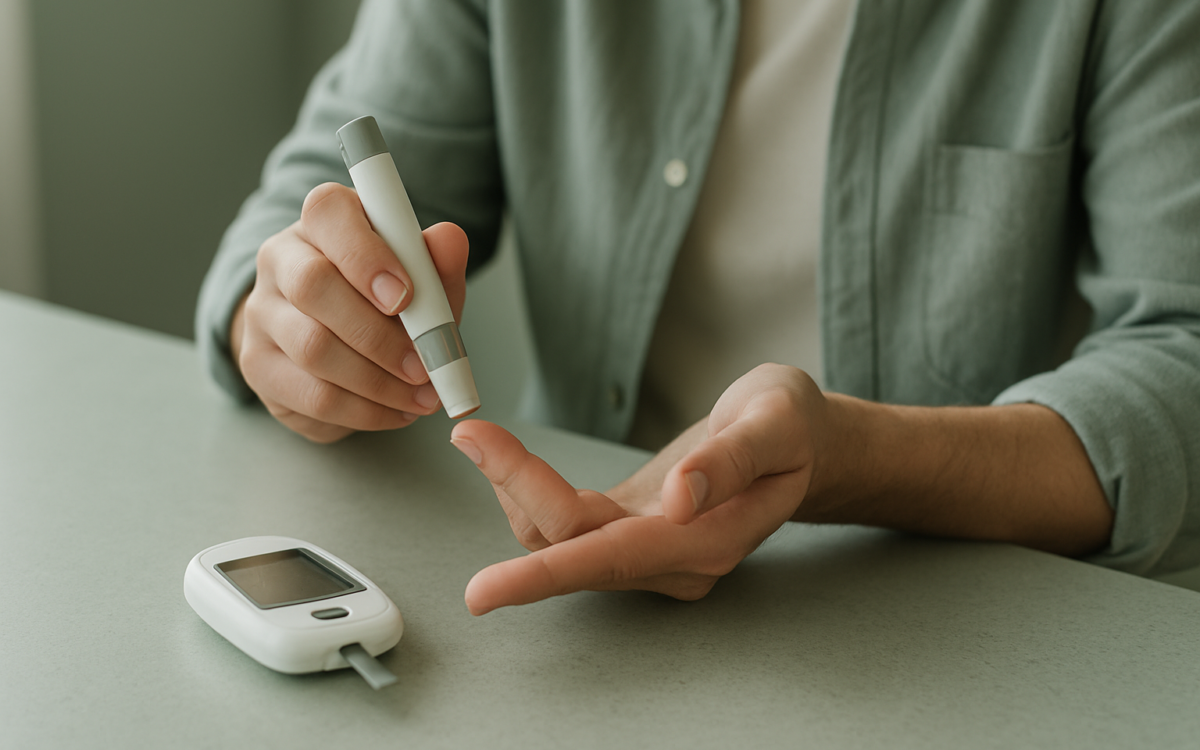
- Monitoring blood sugar levels: Keep track of your glucose levels to understand how food and activity affect your body.
- Medications: Depending on your situation, your doctor may prescribe medication to help manage blood sugar.
When to See a Doctor
If you experience any of the symptoms mentioned above or believe you have risk factors for type 2 diabetes, don’t hesitate to reach out to a healthcare provider. Early detection can significantly improve your health outcomes and quality of life.
Regular check-ups, especially as you age, can be instrumental in catching conditions like diabetes early on. Make your health a priority and consider an evaluation if you have concerns.
In conclusion, understanding the signs and risk factors of type 2 diabetes can allow you to take proactive steps toward your health. Awareness is key to prevention and effective management.
