
High blood sugar, or hyperglycemia, can be concerning, especially for those living with diabetes or prediabetes. Understanding how to recognize the signs of elevated blood sugar is essential to managing your health. From thirst to fatigue, the symptoms can vary widely. This article will guide you through identifying potential indicators of high blood sugar and outline when it’s necessary to consult your doctor.
What Causes High Blood Sugar?
High blood sugar occurs when the body does not use insulin effectively or when there is not enough insulin to manage glucose levels. Insulin is a hormone produced by the pancreas that helps transport sugar from your bloodstream to your cells for energy. Common causes of high blood sugar include:
- Eating large amounts of carbohydrates or sugary foods
- Inactivity or a sedentary lifestyle
- Stress or illness, which can affect insulin function
- Medications, such as corticosteroids
- Not taking prescribed diabetes medications
Common Symptoms of High Blood Sugar
Recognizing high blood sugar symptoms can help you take action early. Here are some common signs to watch for:
1. Increased Thirst
One of the first signs of high blood sugar is increased thirst, known as polydipsia. When blood sugar levels rise, your kidneys work harder to filter out the excess sugar. This may lead to dehydration, prompting you to drink more fluids.
2. Frequent Urination
High blood sugar often leads to frequent urination, or polyuria. When your blood glucose is elevated, your kidneys filter out extra sugar, which draws water from your body, leading to increased urination. This can further contribute to dehydration.
3. Fatigue and Weakness
Feeling unusually tired or weak is another symptom of high sugar levels. If your body can’t effectively transport sugar into your cells, you may not have the energy needed for daily activities. This can lead to feelings of exhaustion even after a full night’s sleep.
4. Blurred Vision
When blood sugar levels remain high for extended periods, it can cause fluid to be pulled from the lenses of your eyes, affecting your ability to focus. This can lead to temporary blurred vision, making it challenging to see clearly.
5. Recurrent Infections
High blood sugar can weaken the immune system, making it harder for your body to fight off infections. If you notice frequent infections, particularly in your gums, skin, or urinary tract, it may be a sign of elevated blood sugar.
6. Slow Healing
High glucose levels can interfere with your body’s healing processes. If you have cuts or sores that take longer than usual to heal, this could be an indication of high blood sugar levels.
How to Monitor Your Blood Sugar
Monitoring your blood sugar is crucial if you’re at risk for high blood sugar. Here are some methods:
1. Home Glucose Monitors
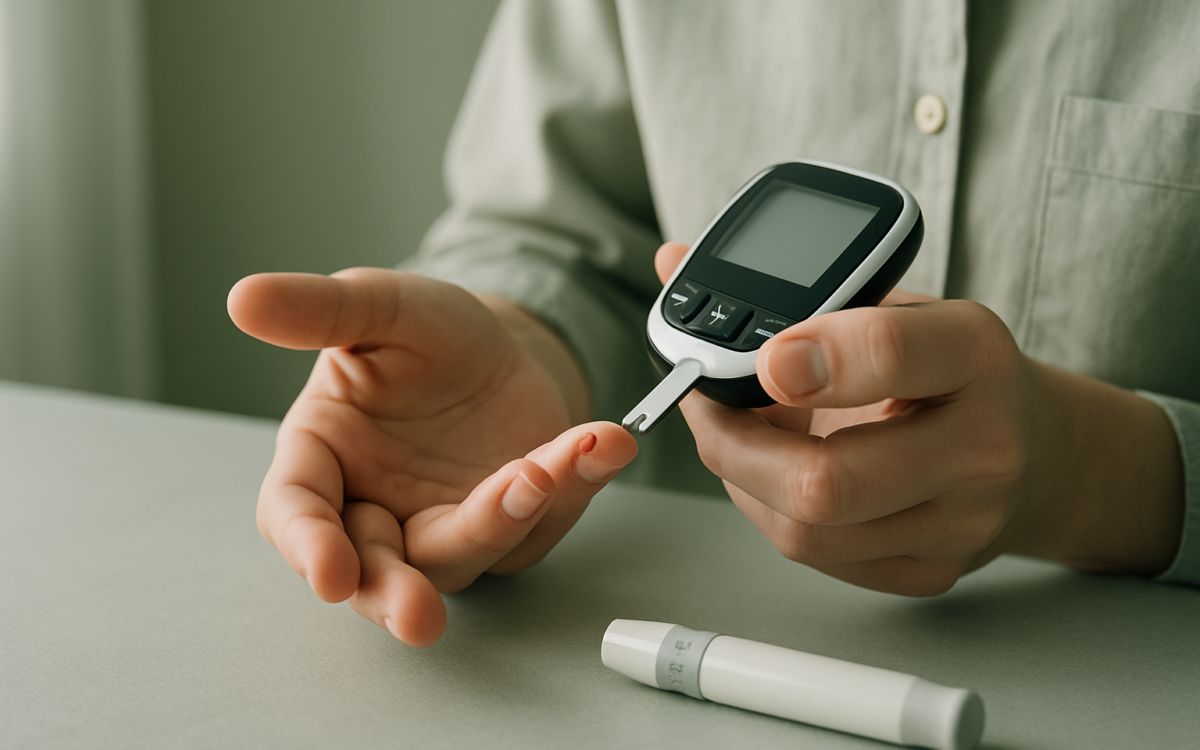
Using a home glucose monitor allows you to check your levels periodically. Pricking your finger to get a drop of blood can provide an instant reading of your blood sugar levels. It’s essential to follow your doctor’s recommendations on how often to test.
2. Continuous Glucose Monitors (CGMs)
CGMs are devices worn on the skin that continuously monitor blood sugar levels throughout the day and night. These devices can provide insights and alerts if levels rise too high or fall too low.
3. Regular Check-Ups
Visiting your healthcare provider for regular check-ups is important for managing blood sugar levels. Discussing your symptoms and glucose readings during these visits can help you and your doctor customize a management plan.
Complications of Untreated High Blood Sugar
If high blood sugar is left unchecked, it can lead to serious health complications. Over time, consistently high glucose levels can damage blood vessels and nerves, potentially leading to:
- Heart disease and stroke
- Kidney damage (diabetic nephropathy)
- Nerve damage (peripheral neuropathy)
- Vision problems, including blindness
- Foot problems, which may lead to infections or amputations
When to See a Doctor
If you experience symptoms of high blood sugar or are unsure about your blood sugar levels, it’s important to consult your healthcare provider. You should seek medical advice if:
- Your symptoms worsen or you experience severe dizziness.
- You have difficulty managing your blood sugar at home.
- You show signs of complications, such as foot infections or vision changes.
Conclusion
Being aware of the signs of high blood sugar can help you take proactive steps in managing your health. Remember that if you suspect your blood sugar is high or are experiencing concerning symptoms, it’s important to reach out to a healthcare provider for guidance. They can help you with testing, monitoring, and creating a plan tailored to your needs.
For more information on blood sugar management, you can visit reputable sources like the NIH, CDC, and Mayo Clinic.
