
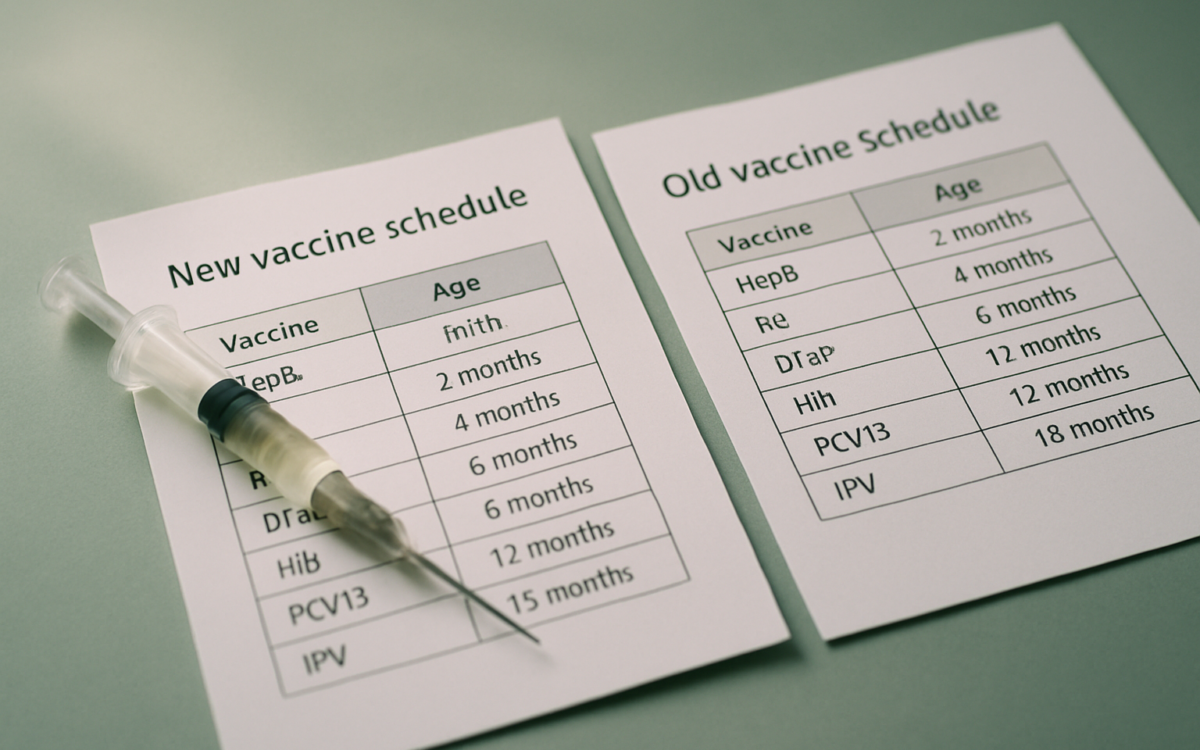
Vaccination is a cornerstone of public health, helping protect individuals and communities from infectious diseases. Over the years, health authorities have periodically updated vaccine schedules to reflect new research, emerging diseases, and changing patterns of immunity. Understanding the differences between the new vaccine schedule and the old one can help you make informed decisions about immunizations for you and your family.
What is a Vaccine Schedule?
A vaccine schedule is a timetable that outlines when vaccines should be administered to individuals, particularly children. These schedules are based on extensive research regarding the best times to deliver vaccines for maximum effectiveness. The goal is to ensure that individuals receive the appropriate immunity at critical developmental stages.
Key Differences Between the New and Old Schedules
1. Timing of Immunizations
One of the most noticeable changes in the new schedule is the timing of certain immunizations. For instance, some vaccines that were previously administered later in childhood are now recommended earlier. This change is often based on studies indicating that earlier vaccinations can provide better protection against diseases.
2. Additional Vaccines
The new vaccine schedule typically includes newly developed vaccines that target emerging diseases. For example, the introduction of the human papillomavirus (HPV) vaccine and the meningococcal B vaccine reflect a proactive approach to prevent illnesses that have significant consequences for health.
3. Combination Vaccines
Changes also include the use of combination vaccines, which combine several immunizations into one shot. This method reduces the total number of injections a child receives while maintaining effective immunity. For example, the pentavalent vaccine protects against five diseases in one shot instead of requiring separate doses for each.
Why the Changes Matter
Updates in the vaccine schedule are not arbitrary; they arise from rigorous research and public health analysis. According to the CDC, the primary reasons for updating vaccine schedules include:
- Improved Evidence: New studies reveal the most effective timing for vaccines.
- Outbreak Prevention: Vaccines are updated to prevent outbreaks of emerging diseases.
- Population Needs: Changes reflect the health needs of the current population.
Benefits of the New Schedule
Adopting the new vaccine schedule has several advantages, including:
1. Enhanced Protection
With vaccines being administered at optimal times, individuals can receive enhanced protection against diseases early in life. This is particularly important for infants and young children whose immune systems are still developing.
2. Lower Risk of Disease Outbreaks
By keeping vaccine schedules current, health authorities can help maintain community immunity. High vaccination rates among the population reduce the risk of outbreaks, ultimately protecting those who cannot be vaccinated for medical reasons.
3. Convenience for Families
The use of combination vaccines reduces the number of visits to healthcare providers, making it easier and less stressful for families to stay on track with immunizations.
Staying Informed About Vaccine Schedules
To ensure that you have the latest information about immunization schedules, it’s crucial to consult reliable sources. The World Health Organization (WHO) and the National Institutes of Health (NIH) regularly update their guidelines based on the latest research in vaccine development.
When to See a Doctor
If you have specific questions about vaccines or if your child is behind schedule, it’s important to consult a healthcare professional. They can provide guidance tailored to your situation and help you understand any specific vaccine recommendations for your family.
Conclusion
Understanding the new vaccine schedule compared to the old one is essential for making informed health choices. These changes reflect ongoing research and a commitment to public health. By staying updated and consulting with healthcare providers, you can help protect not just yourself but also your community from preventable diseases.
