
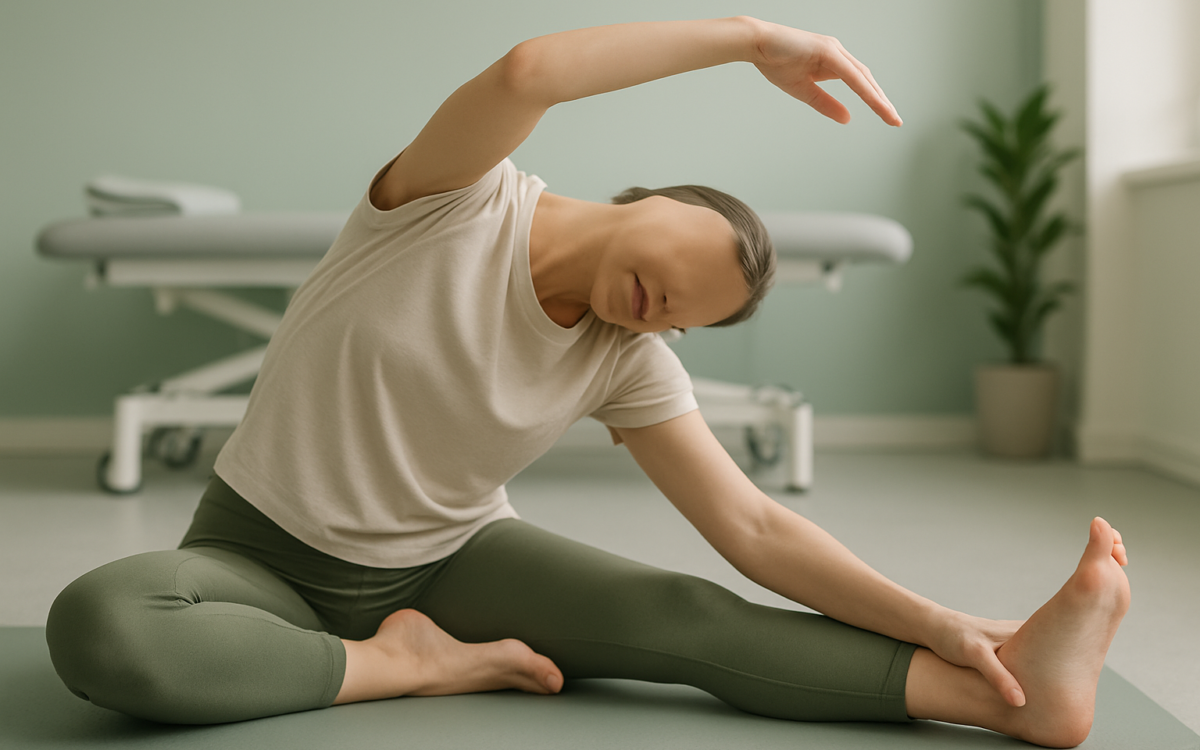
In a world that rewards movement and activity, flexibility often takes a backseat. Yet, the ability to move freely and comfortably is essential for everyday functioning and overall wellness. That’s where suppleness exercises come into play. These exercises aim to enhance flexibility, promote joint health, and boost athletic performance.
What Are Suppleness Exercises?
Suppleness exercises refer to a range of movements and stretches designed to increase the body’s flexibility. They can involve static stretches, where a muscle is lengthened and held, dynamic stretches, which involve controlled movements through a range of motion, and proprioceptive neuromuscular facilitation (PNF) stretching, a technique that involves both stretching and contracting the muscle group being targeted.
Incorporating suppleness exercises into your fitness routine can help mitigate the risk of injuries, improve posture, and enhance overall athletic performance.
Why Flexibility is Important
Flexibility is a fundamental aspect of physical fitness that often gets overlooked. Here are some compelling reasons why flexibility matters:
- Injury Prevention: Flexible muscles and joints can absorb shock better and reduce the risk of strains and sprains.
- Improved Posture: Enhancing flexibility can help maintain proper body alignment, which is vital for posture.
- Better Performance: Athletes in sports like gymnastics, dance, and martial arts require their bodies to perform complex movements smoothly, and flexibility is crucial for success.
- Functional Movement: Everyday activities like bending, reaching, and lifting become easier with improved flexibility.
Types of Suppleness Exercises
Suppleness exercises can be grouped into several categories. Here’s a look at a few common types you may want to include in your routine:
Static Stretching
This type of flexibility training involves holding a stretch at the end of your range of motion for a set amount of time, usually 15-60 seconds. Common static stretches include:
- Hamstring stretch
- Quadriceps stretch
- Chest stretch
- Shoulder stretch
Dynamic Stretching
Dynamic stretching is a more active form of suppleness training. It involves moving parts of your body and gradually increasing reach, speed of movement, or both. Popular dynamic stretches include:
- Leg swings
- Arm circles
- Torso twists
PNF Stretching
Proprioceptive neuromuscular facilitation is an advanced form of stretching that improves flexibility by using a combination of stretching and contracting muscles. This often requires a partner, but you can also use a wall or a towel for assistance. Typical PNF stretches include:
- Contract-relax hamstring stretch
- Shoulder PNF stretch
Creating a Suppleness Exercise Routine
If you’re ready to incorporate suppleness exercises into your routine, here are some tips to help you get started:
- Start Slowly: Especially if you’re new to exercise, begin with gentle stretches and gradually increase intensity and duration.
- Be Consistent: Aim for at least 2-3 days a week for noticeable improvements. Consider integrating suppleness exercises into your warm-up and cool-down.
- Listen to Your Body: If something feels painful or uncomfortable, ease off. Stretching should never be painful.
- Use Proper Technique: Pay attention to form and technique to maximize benefits and reduce the risk of injury.
Benefits of Regular Suppleness Training
Incorporating suppleness exercises into your weekly fitness regimen can yield numerous benefits, including:
- Enhanced Mobility: Improved flexibility can boost your range of motion and reduce stiffness.
- Better Balance: Flexible muscles can help stabilize joints and improve balance and coordination.
- Stress Relief: Stretching has been shown to promote relaxation and reduce stress levels.
- Improved Athletic Performance: Athletes who engage in regular suppleness training often see better results in their sports.
When to See a Doctor
If you experience persistent pain during or after stretching, or if you have limited range of motion that impacts your daily activities, consult a healthcare professional. They can help diagnose any underlying issues or injuries and recommend appropriate treatment.
Conclusion
Suppleness exercises are a crucial component of a well-rounded fitness routine. Not only do they enhance flexibility and mobility, but they also play a vital role in overall wellness. By making suppleness training a regular part of your life, you can enjoy improved physical function and a better quality of life. So step onto the mat, stretch it out, and unlock your body’s potential!
