
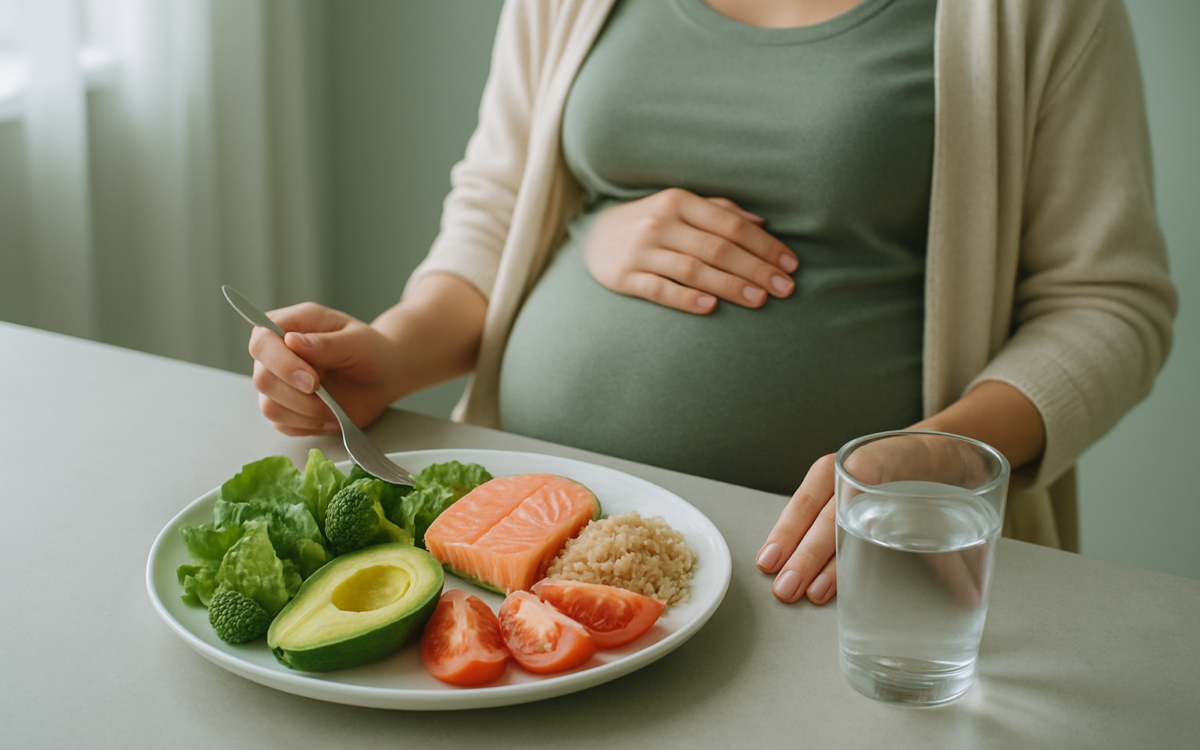
The remarkable journey of pregnancy brings with it a variety of changes, both physically and emotionally. As an expectant mother, the importance of nutrition cannot be overstated. A balanced diet supports your health and your baby’s development, ensuring that both of you thrive throughout this transformative period. Understanding what makes up a balanced diet during pregnancy is essential for every mother-to-be.
The Importance of Balanced Nutrition
As your body undergoes significant changes during pregnancy, the nutritional requirements also shift. A balanced diet serves as the foundation for your overall health and the health of your baby. Consuming a variety of foods not only provides essential nutrients but also helps prevent pregnancy complications such as gestational diabetes and hypertension. According to the Centers for Disease Control and Prevention, a balanced diet is critical for reducing the risk of premature birth and low birth weight.
Essential Nutrients for Pregnant Women
During pregnancy, there are several key nutrients that should be prioritized:
- Folate: Essential for the baby’s neural tube development. Aim for foods rich in folate like leafy greens, beans, and fortified cereals.
- Iron: Supports the increased blood volume and helps deliver oxygen to the baby. Include iron-rich foods such as lean meats, spinach, and legumes.
- Calcium: Vital for the development of the baby’s bones and teeth. Dairy products, almonds, and broccoli are excellent sources.
- DHA (Docosahexaenoic acid): An omega-3 fatty acid crucial for brain development. Fatty fish, walnuts, and flaxseeds are good sources.
Balancing Food Groups
To create a balanced diet, it’s beneficial to incorporate a variety of food groups. Here are some guidelines:
Fruits and Vegetables
Fruits and vegetables are vital sources of vitamins, minerals, and fiber. Aim to fill half your plate with colorful fruits and vegetables. Be sure to choose organic options when possible to minimize exposure to pesticides.
Whole Grains
Whole grains provide the energy needed during pregnancy and are important for digestive health. Incorporate foods like brown rice, quinoa, whole-grain breads, and oats. These foods also help regulate blood sugar levels.
Protein Sources
Protein is crucial for the growth of tissues, including the placenta. Include both animal and plant-based sources of protein, such as eggs, poultry, fish, beans, and legumes. The Mayo Clinic recommends having 75 to 100 grams of protein daily during pregnancy.
Dairy or Alternatives
Dairy products are key sources of calcium and vitamin D. If you are lactose intolerant or avoid dairy, consider fortified plant-based alternatives like almond or soy milk.
Hydration: An Often Overlooked Aspect
Staying hydrated is equally important during pregnancy. Water supports digestion, nutrient absorption, and body temperature regulation. Aim to drink 8 to 10 glasses of water a day, adjusting based on your activity levels and climate. Limit sugary drinks and caffeine intake, as they can lead to dehydration and potential health issues.
Foods to Avoid
While there are many nutritious foods you should include, there are also certain foods to avoid to protect your health and that of your baby:
- Raw or undercooked seafood, eggs, or meat: Risk of foodborne illness can be higher in these foods.
- Caffeine: Limit intake to less than 200 mg per day, which is roughly equivalent to one 12-ounce cup of coffee.
- Processed foods: Foods high in sugar, salt, and unhealthy fats should be limited.
Vitamins and Supplements
Even with a balanced diet, it can be challenging to get all the necessary nutrients from food alone. Prenatal vitamins, as advised by healthcare providers, can help fill any gaps in your nutrition. Common recommendations include folic acid, iron, and DHA supplements. Always consult your healthcare provider before starting any new supplements to tailor them to your individual needs.
When to See a Doctor
If you have questions or concerns about your diet during pregnancy, it is essential to speak with your healthcare provider. Signs that warrant immediate attention include sudden weight loss, persistent nausea and vomiting, or other symptoms that are unusual for you during pregnancy.
Conclusion
In summary, a balanced diet during pregnancy not only supports your health but also lays the groundwork for your baby’s development. By focusing on a variety of nutritious foods, staying hydrated, and consulting with healthcare providers about vitamins and supplements, you can foster a healthy environment for your child to grow. Remember, this journey is unique for every mother, and adapting your diet to your personal needs is a key part of a successful pregnancy.
