
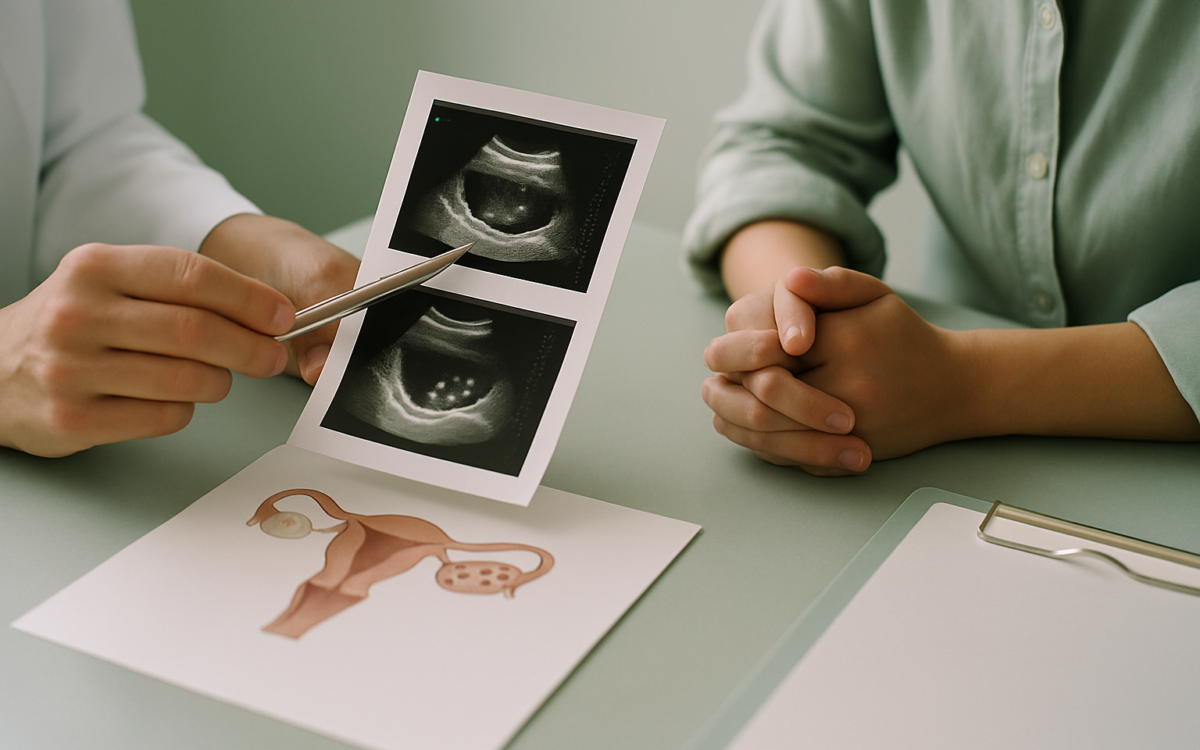
Polycystic ovarian syndrome (PCOS) is a common hormonal disorder affecting women, particularly during their reproductive years. Understanding how PCOS is diagnosed is crucial for those experiencing symptoms. This guide will walk you through the signs of PCOS, the diagnostic criteria, potential causes, and available management options.
What is Polycystic Ovarian Syndrome?
PCOS is a condition that disrupts normal hormonal balance in women. It is characterized by a combination of symptoms that may include irregular menstrual cycles, excessive hair growth, acne, and weight gain. The name ‘polycystic’ refers to the many small cysts that can develop on the ovaries, but not all women with PCOS have these cysts.
Common Symptoms of PCOS
Recognizing the symptoms of PCOS can be the first step toward diagnosis. Common symptoms include:
- Irregular Menstrual Cycles: Women with PCOS often experience infrequent or prolonged menstrual periods.
- Excessive Hair Growth: Many women with PCOS report unwanted hair growth on the face, chest, back, or thighs, a condition known as hirsutism.
- Acne and Oily Skin: Hormonal imbalances can lead to skin issues such as acne or oily skin.
- Weight Gain: Many women with PCOS struggle with weight gain or find it challenging to lose weight.
- Difficulty Conceiving: PCOS can affect ovulation, leading to fertility issues.
Diagnostic Criteria for PCOS
The diagnosis of PCOS is not based on a single test but rather a combination of clinical findings. The most commonly used criteria are set forth by the Rotterdam criteria. To be diagnosed with PCOS, a woman typically needs to meet at least two of the following three criteria:
- Irregular or Absent Menstrual Cycles: This points to ovulatory dysfunction.
- Clinical and/or Biochemical Signs of Hyperandrogenism: This includes symptoms like excessive hair growth or elevated levels of male hormones in the blood.
- Polycystic Ovaries: An ultrasound may reveal enlarged ovaries with numerous cysts.
While these criteria are widely accepted, it’s important to note that some healthcare providers may also consider other factors in diagnosing PCOS, so having a thorough discussion with a doctor is vital.
Diagnostic Tests for PCOS
To confirm a diagnosis of PCOS, healthcare providers may recommend several tests, including:
- Blood Tests: These can help measure hormone levels and rule out other conditions that may cause similar symptoms.
- Ultrasound: A pelvic ultrasound can check for cysts on the ovaries and assess the ovaries’ size.
It’s important to have an open dialogue with your doctor about your symptoms, health history, and any concerns you may have. This collaboration will aid in reaching an accurate diagnosis.
Potential Causes of PCOS
The exact cause of PCOS remains unknown, but several factors may contribute, including:
- Genetics: PCOS tends to run in families, suggesting a genetic component.
- Insulin Resistance: Many women with PCOS have insulin resistance, which can lead to weight gain and increased androgen levels.
- Inflammation: Research indicates that inflammation may play a role in the development of PCOS.
Managing Polycystic Ovarian Syndrome
While there is currently no cure for PCOS, various management strategies can help alleviate symptoms:
- Lifestyle Changes: Diet and exercise play a crucial role in managing weight and improving insulin sensitivity.
- Medications: Hormonal contraceptives or anti-androgens can help regulate menstrual cycles and reduce unwanted hair growth.
- Fertility Treatments: For those facing difficulty conceiving, medications or assisted reproductive technologies may be options.
Working collaboratively with a healthcare professional can help tailor a management plan that best fits individual needs.
When to See a Doctor
It’s important to consult a healthcare provider if you experience any of the common symptoms associated with PCOS, especially if they are interfering with your daily life or you’re considering starting a family. Early diagnosis and treatment can help manage symptoms and improve quality of life.
Conclusion
Polycystic ovarian syndrome is a complex hormonal disorder with significant effects on women’s health. Identifying and diagnosing PCOS can help in managing symptoms effectively and improving overall well-being. If you suspect you might have PCOS, don’t hesitate to reach out to a healthcare professional to discuss your options and find the right support.
