
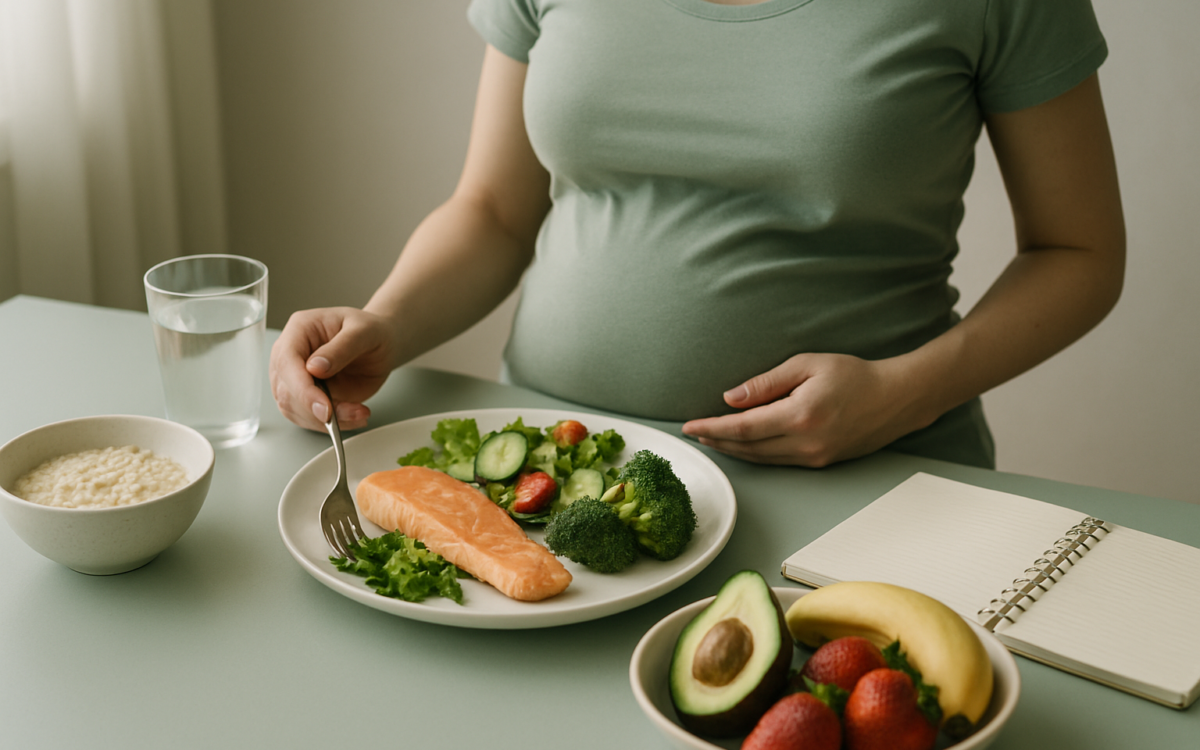
Pregnancy is an incredible journey, and what you eat during this time can profoundly impact both your health and the health of your growing baby. A well-planned diet can ensure that both you and your little one receive the nutrition needed for a smooth pregnancy and healthy development. This article will provide an easy-to-follow pregnancy diet meal plan that focuses on balance, variety, and deliciousness, making it easier for you to nourish yourself and your child.
Understanding Nutritional Needs During Pregnancy
During pregnancy, your body experiences incredible changes and requires extra nutrients. Key components of a healthy pregnancy diet include:
- Folic Acid: Essential for preventing neural tube defects.
- Iron: Important for increasing blood volume and preventing anemia.
- Calcium and Vitamin D: Necessary for building your baby’s bones and teeth.
- Protein: Vital for the growth of fetal tissue, including the brain.
- Fiber: Helps with constipation, a common issue during pregnancy.
According to the National Institutes of Health (NIH), monitoring your nutrient intake can lead to a healthier pregnancy.
Creating Your Pregnancy Meal Plan
Your pregnancy meal plan should emphasize whole foods rich in nutrients, allowing you to feel satisfied and energized. Below is a sample meal plan that you can adjust based on your taste preferences:
Sample Daily Meal Plan
- Breakfast: Overnight oats made with rolled oats, Greek yogurt, almond milk, a sprinkle of chia seeds, and topped with fresh berries and a drizzle of honey.
- Snack: A medium-sized apple with a tablespoon of almond butter.
- Lunch: A whole-grain wrap filled with grilled chicken, leafy greens, avocado, tomatoes, and a light vinaigrette.
- Snack: Carrot sticks with hummus.
- Dinner: Baked salmon with quinoa and steamed broccoli, drizzled with lemon juice.
- Dessert: A small bowl of mixed fruit or a piece of dark chocolate.
Variety is key! Changing up fruits, vegetables, and protein sources will keep your meals interesting and diverse.
Incorporating Important Nutrients
While the meal plan serves as a solid foundation, understanding the role of specific nutrients can enhance your dietary choices:
Folate-Rich Foods
Include foods like leafy greens, legumes, and fortified cereals to ensure adequate folate intake. Folic acid is crucial for your baby’s growth and development, particularly in the first trimester.
Iron Sources
Integrate lean meats, beans, and spinach into your diet to maintain iron levels. Pairing these with vitamin C-rich foods, like oranges or bell peppers, can enhance iron absorption.
Hydration and Healthy Beverages
Staying hydrated is essential during pregnancy. Aim for at least 8-10 cups of fluids daily, primarily from water. Other healthy options include:
- Herbal teas (caffeine-free)
- Milk (dairy or plant-based)
- Fresh fruit juices, made with minimal added sugar
Avoid sugary drinks and excessive caffeine, as they can affect your energy levels and hydration.
Foods to Avoid and Limit
While focusing on what to eat, it’s also important to be mindful of what to avoid:
- Raw or undercooked foods: This includes raw fish (sushi), eggs, and meat, which can harbor harmful bacteria.
- Certain cheeses: Soft cheeses like brie or blue cheese can contain listeria.
- Excess caffeine: Limit caffeine to about 200 mg per day, as high intakes may be linked to miscarriage or low birth weight.
- Processed and sugary foods: While an occasional treat is fine, limit these to help control additional calories and maintain nutrient density.
The Centers for Disease Control and Prevention (CDC) also emphasizes the importance of avoiding certain foods and substances for a healthy pregnancy.
When to See a Doctor
Maintaining a balanced diet is key to a healthy pregnancy, but it’s also essential to stay in touch with your healthcare provider. Reach out if you experience:
- Severe nausea or vomiting that prevents you from eating
- Signs of nutritional deficiency, such as fatigue or dizziness
- Unusual cravings for non-food items (known as pica)
- Concerns about your weight gain being too little or too much
Regular check-ups can help ensure you and your baby remain healthy throughout pregnancy.
Conclusion
Your pregnancy is a time filled with excitement and changes. A balanced meal plan can provide the nutrients needed for your health and that of your baby. Focus on a variety of whole foods, stay hydrated, and enjoy the process of nourishing yourself and your little one! Remember, before making any significant changes to your diet, it’s always wise to consult with your healthcare provider.
