
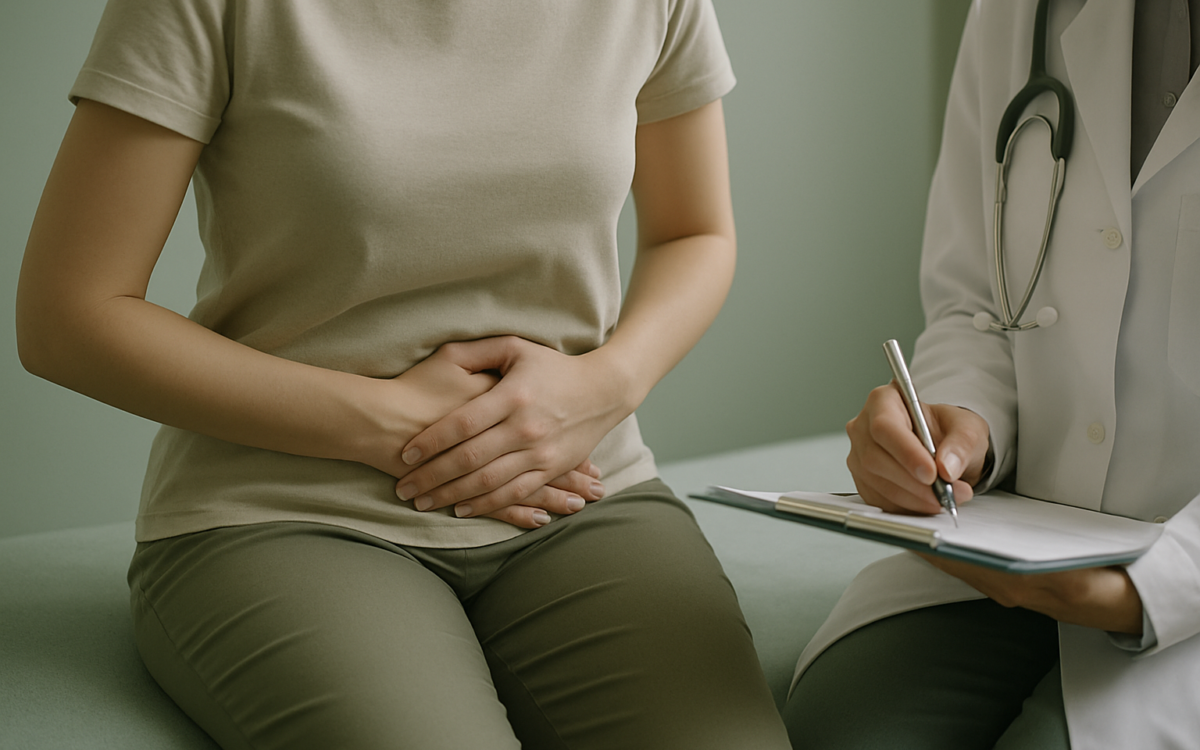
Polycystic Ovary Syndrome (PCOS) is a common health condition that affects many women of reproductive age. It is a hormonal disorder that can lead to various physical and emotional symptoms. Understanding these symptoms is vital for early detection and effective management, allowing women to lead healthier lives. In this article, we’ll explore the common symptoms of PCOS, the implications they have on overall health, and when to seek medical advice.
What is PCOS?
PCOS is characterized by a hormonal imbalance that can affect a woman’s menstrual cycle, fertility, and overall health. Women with PCOS often have elevated levels of androgens, sometimes referred to as male hormones, which can disrupt regular ovulation and menstruation. The exact cause of PCOS remains unclear, but factors such as genetics, insulin resistance, and inflammation may play significant roles.
Common Symptoms of PCOS
Identifying the symptoms of PCOS early can make a significant difference in managing the condition. Here are some common symptoms to watch out for:
- Irregular Menstrual Cycles: Women with PCOS may experience infrequent or prolonged menstrual periods. Some may skip periods for months at a time, while others may have cycles that last longer than 35 days.
- Excessive Hair Growth: Known as hirsutism, this symptom involves unwanted facial and body hair due to elevated androgen levels. It can particularly affect areas like the face, chest, and back.
- Weight Gain: Many women with PCOS struggle with weight gain or find it difficult to lose weight. This can result from insulin resistance, which is common in PCOS.
- Acne and Oily Skin: Hormonal changes can cause skin issues like acne or an increase in oily skin, affecting confidence and comfort.
- Thinning Hair: Some women might experience hair loss or thinning hair on their scalp due to hormonal fluctuations.
- Ovarian Cysts: PCOS is often diagnosed through ultrasound, which may reveal multiple small fluid-filled sacs (cysts) on the ovaries, although not all women with PCOS have these cysts.
The Emotional Impact of PCOS
PCOS symptoms do not just manifest physically; they can also have a profound emotional impact. The ongoing struggle with weight gain, acne, and hair growth can lead to feelings of anxiety and depression. Many women find it challenging to cope with societal expectations regarding beauty and femininity. Addressing mental health is an essential aspect of PCOS management. Joining support groups or seeking therapy can be beneficial for emotional well-being.
Long-Term Health Risks Associated with PCOS
Women with PCOS may face several long-term health issues. These can include:
- Increased risk of Type 2 diabetes due to insulin resistance.
- Heart disease, as hormonal changes can affect cholesterol levels and blood pressure.
- Endometrial cancer linked to prolonged menstrual cycle irregularities.
- Infertility, as ovulation is often irregular or absent.
Understanding these risks emphasizes the importance of early intervention and regular check-ups with healthcare providers.
Treatment Options for PCOS
While there is currently no cure for PCOS, various treatment options can help manage symptoms. Lifestyle changes, such as adopting a healthy diet and regular exercise, can significantly improve symptoms and reduce long-term health risks. Medications may also be prescribed to regulate menstrual cycles, manage insulin levels, and reduce excessive hair growth. Some women seek international treatment options, such as those available through Acibadem International, that offer specialized care and expertise in managing PCOS.
When to See a Doctor
If you notice any symptoms of PCOS or have concerns about your menstrual cycle, it is essential to consult a healthcare professional. Early diagnosis and effective management strategies can lead to better health outcomes. Don’t hesitate to seek help if you:
- Experience infrequent or missing periods.
- Have excessive hair growth or severe acne.
- Struggle with weight management despite your efforts to eat healthily and exercise.
Your health is important! Seeking guidance from a doctor can provide clarity, support, and the most effective treatment options tailored to your needs.
Conclusion
Recognizing the symptoms of PCOS is the first step toward managing this condition effectively. With appropriate lifestyle changes and medical support, women with PCOS can lead fulfilling lives. If you suspect you may have PCOS or experience distressing symptoms, reaching out to a healthcare professional can help pave the way to better health and well-being.
