
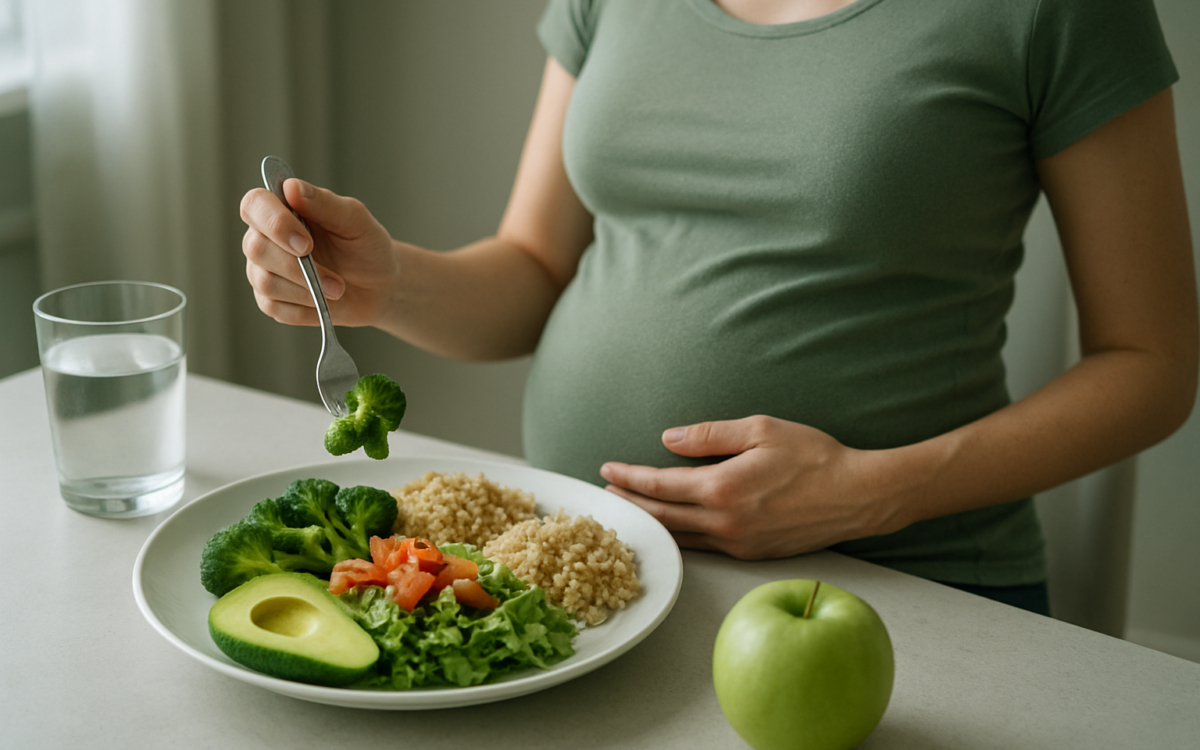
Pregnancy is a beautiful journey that requires a lot of changes, especially when it comes to diet. Even though you are eating for two, it’s important to make sure that both you and your baby get the right nutrients. The best diet for pregnancy not only supports the baby’s growth but also maintains the health of the mother. Below, we’ll dive into some essential dietary considerations and practical tips for expectant mothers.
Essential Nutrients for Expectant Mothers
During pregnancy, certain nutrients become critical for the baby’s development. Here are the key nutrients to focus on:
- Folic Acid: This B vitamin is vital in preventing neural tube defects. Aim for 600 micrograms daily from green leafy vegetables, fortified cereals, and supplements.
- Iron: Necessary to support increased blood volume during pregnancy, iron helps prevent anemia. Good sources include lean meats, beans, and spinach.
- Calcium: Essential for building the baby’s bones and teeth, calcium can be found in dairy products, leafy greens, and fortified plant-based milks.
- Omega-3 Fatty Acids: Important for brain development, omega-3 fatty acids can be obtained from fish like salmon, chia seeds, and walnuts.
- Protein: Increases the baby’s growth and supports the mother’s body. Include sources like meat, poultry, fish, beans, and legumes.
The Role of Whole Foods in Pregnancy
Whole foods provide a wealth of vitamins and minerals necessary for a healthy pregnancy. Incorporating a variety of whole foods helps ensure that you’re getting all the nutrients needed. Focus on:
- Fruits and Vegetables: Aim for at least five servings a day. These are rich in vitamins, minerals, and fiber, which can help with digestive health and prevent constipation.
- Whole Grains: Foods like brown rice, quinoa, and whole wheat bread offer essential carbohydrates needed for energy.
- Healthy Fats: Incorporate sources of unsaturated fats, such as avocados and olive oil, while minimizing saturated and trans fats.
Hydration Matters
Staying hydrated is an often-overlooked aspect of a healthy diet during pregnancy. Proper hydration supports many bodily functions and is especially important as blood volume increases. Here’s how to stay hydrated:
- Drink at least eight to ten cups of fluid per day, focusing on water, herbal teas, and clear broths.
- Eat foods with high water content, such as cucumbers, watermelon, and oranges.
- Avoid excessive caffeine and sugary drinks, as they can lead to dehydration.
Foods to Avoid
While it’s important to know what to eat, it’s just as essential to know what to steer clear of:
- Raw or Undercooked Seafood and Eggs: These can harbor harmful bacteria.
- High-Mercury Fish: Fish like shark, swordfish, and king mackerel can pose risks due to their mercury content.
- Deli Meats and Unpasteurized Products: These can also contain bacteria that may harm both you and your baby.
Supplements: Are They Necessary?
Despite aiming for a balanced diet, it can be challenging to get all necessary nutrients through food alone. Prenatal vitamins are specifically designed to fill nutritional gaps:
- Most healthcare providers recommend a daily prenatal vitamin that includes folic acid and iron.
- Consult your doctor about whether you need additional supplementation, especially for vitamin D or Omega-3s.
Listening to Your Body
Every pregnancy is unique. It’s important to listen to your body and address any cravings or aversions.
- Follow your instincts but try to opt for healthier choices.
- It’s common for some women to crave sweet, salty, or fried foods; try to balance these with nutritious options.
- If nausea or food aversions make it hard to eat well, seek support from a healthcare professional.
When to See a Doctor
If you’re having trouble maintaining a balanced diet, experiencing significant weight loss, or have concerns about your nutrition, please consult your healthcare provider. Additionally, if you have specific dietary restrictions (e.g., vegetarian, vegan) or medical conditions (e.g., diabetes), it’s important to discuss these with your doctor to create a tailored nutrition plan.
Maintaining a nutrient-rich diet plays a crucial role in ensuring a healthy pregnancy. By focusing on whole foods, proper hydration, and necessary supplements, you can nourish your body and support your baby’s development. Enjoy this special time and remember that a balanced diet leads to a happier, healthier pregnancy.
