
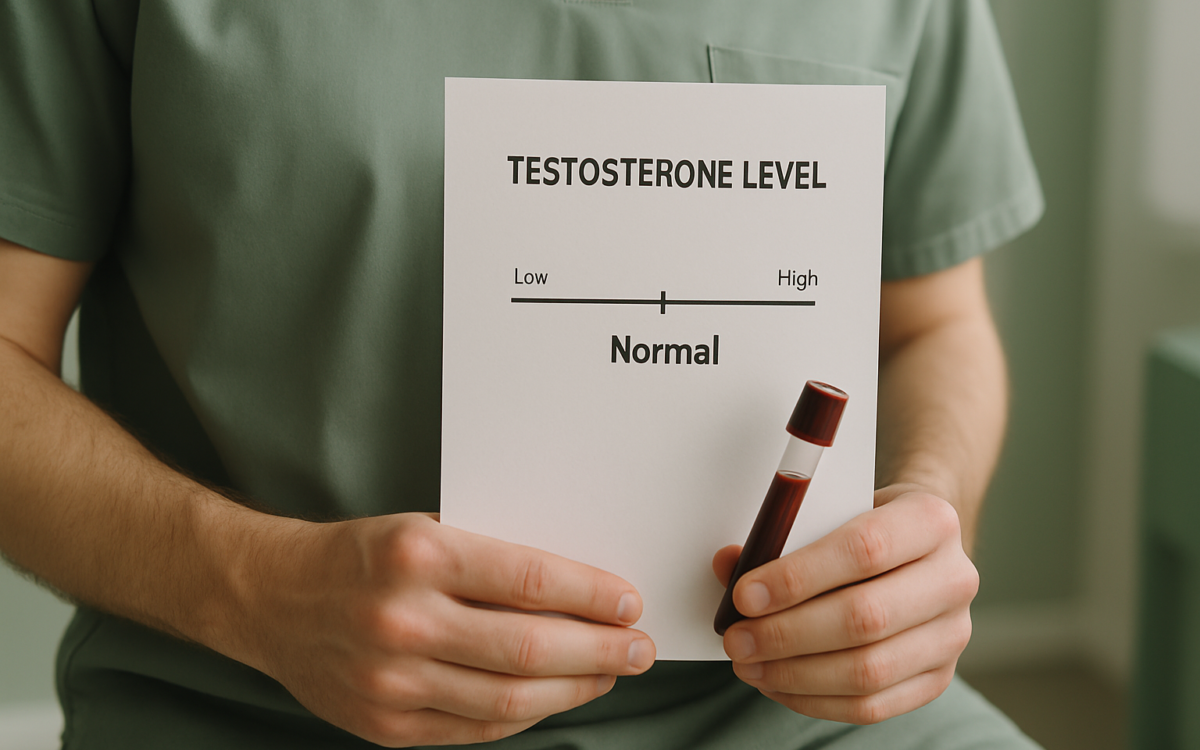
Testosterone often gets a lot of attention, especially when discussing men’s health. Many people recognize it as the main male sex hormone, but its role goes far beyond that. Understanding what constitutes a normal testosterone level is crucial for men’s health and well-being. In this article, we will explore the normal range of testosterone in men, the symptoms of low levels, the factors influencing testosterone production, and when to consider medical help.
What is Normal Testosterone Level?
Testosterone levels in men can fluctuate based on age, time of day, and individual health. Generally, normal testosterone levels in adult men range between 300 and 1,000 nanograms per deciliter (ng/dL). This range is accepted by organizations like the National Institutes of Health (NIH) and is often used to evaluate hormonal health. It’s important to understand that these values represent a general guideline; what is considered normal can vary from person to person.
Why Testosterone Levels Matter
Testosterone is vital for numerous bodily functions, including:
- Development of male sexual characteristics
- Maintaining muscle mass and strength
- Supporting bone density
- Regulating mood and energy levels
- Influencing sexual drive and performance
When testosterone levels fall below the norm, it can lead to various health issues, including reduced libido, increased body fat, and decreased muscle mass. Low testosterone can also affect mental health, leading to symptoms like depression or irritability.
Signs of Low Testosterone Levels
If testosterone levels dip below the normal range, men may experience several symptoms:
- Fatigue and decreased energy
- Reduced libido or sexual dysfunction
- Increased body fat or changes in body composition
- Loss of muscle mass and strength
- Mood changes, including depression or anxiety
If you notice one or more of these symptoms, it may be a signal that your testosterone levels warrant attention. It’s essential to discuss these symptoms with a healthcare provider to determine whether testing for testosterone levels is necessary.
Factors That Influence Testosterone Levels
Several factors can impact testosterone production in men:
- Age: Testosterone levels typically peak in adolescence and early adulthood, declining slowly after age 30.
- Weight: Obesity has been linked to lower testosterone levels, potentially due to hormonal imbalances.
- Stress: Chronic stress increases cortisol levels, which can negatively affect testosterone production.
- Sleep: Lack of quality sleep can disrupt hormonal balance, leading to decreased testosterone levels.
- Medical Conditions: Conditions such as diabetes or hormonal disorders can also affect testosterone levels.
Being aware of these factors can help men take proactive steps to promote hormonal balance.
Testing for Testosterone Levels
If you’re experiencing symptoms of low testosterone, your doctor may recommend a blood test. This test usually measures testosterone levels in the morning when they are highest. Depending on the results, further investigation may be warranted to understand the underlying causes of any abnormalities.
Life changes could improve testosterone levels, such as adopting a healthier diet, incorporating regular physical activity, managing stress, or getting more sleep.
When to See a Doctor
Consulting a healthcare provider is advisable if you experience persistent symptoms associated with low testosterone. They can guide you through necessary testing and treatment options. The Mayo Clinic emphasizes the importance of a comprehensive evaluation since low testosterone can sometimes indicate underlying health issues.
Conclusion
Understanding testosterone levels and their significance can help men maintain their overall health. While normal testosterone levels range widely, recognizing signs of imbalance is crucial. If you have concerns about your testosterone levels, don’t hesitate to seek advice from a medical professional. Keeping an eye on your hormone health is an important aspect of living well.
