
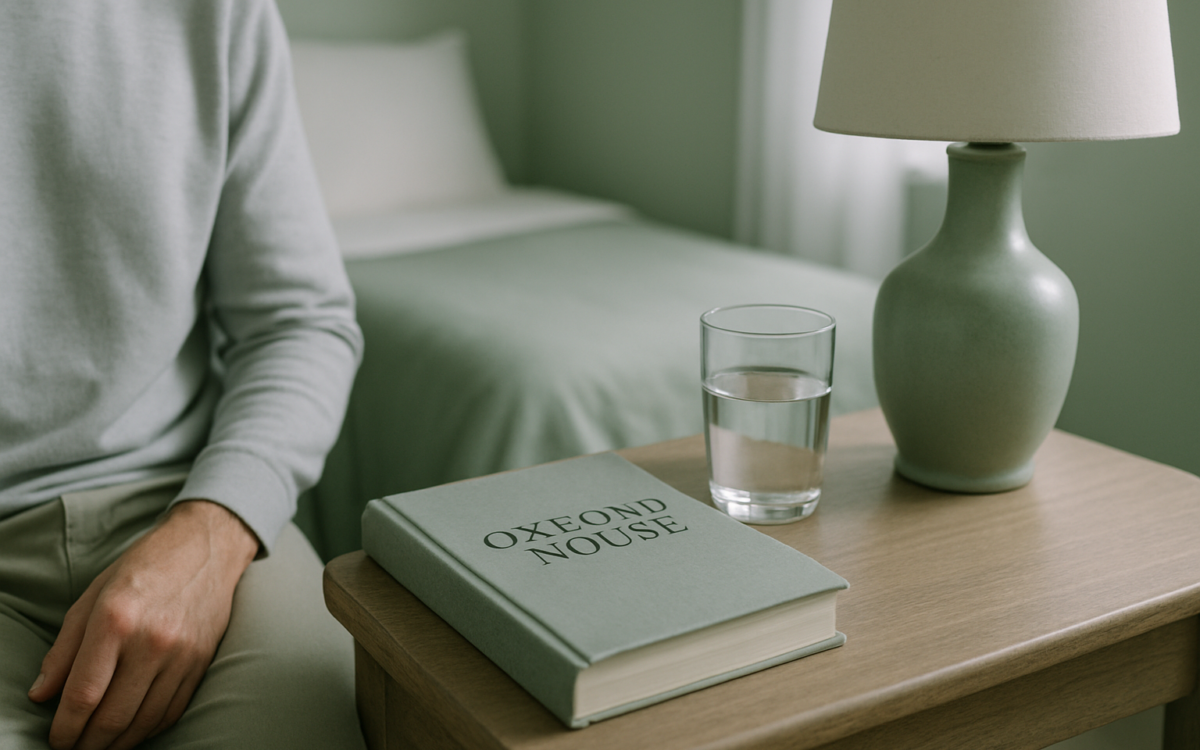
Finding a supportive environment is crucial for those recovering from addiction. Oxford Houses offer a unique model that emphasizes community living, peer support, and personal responsibility. Designed to help individuals transition from treatment back to everyday life, these homes are scattered across the United States and provide a beacon of hope for many.
What is an Oxford House?
Founded in 1975, the Oxford House model was created to provide a sober and empowering space for individuals looking to maintain their recovery. Each house operates as a self-governing entity; residents share the costs of rent, utilities, and other necessities while upholding house rules that promote a drug-free environment. This model supports the idea that people in recovery are more likely to succeed when they live with others who understand their challenges.
The Importance of Community Support
Community plays a vital role in the recovery process. Evidence indicates that social support can reduce the risk of relapse for those recovering from addiction. People thrive when they feel connected to others, rather than isolated in their struggles. Oxford Houses reinforce this notion by fostering companionship, mutual understanding, and accountability among members.
Residents often share personal experiences, which can lessen the stigma and shame that often accompany addiction. In this shared environment, individuals learn from one another and can develop important life skills necessary for sustained recovery.
Key Features of Oxford Houses
- Self-Governance: Each Oxford House operates autonomously, guided by its residents. They establish their own rules and procedures, ensuring that everyone has a voice in how the house is run.
- Affordability: Rent in Oxford Houses is typically less than in traditional housing arrangements. All residents contribute equally, which helps maintain a sense of ownership and responsibility.
- No Time Limit: Residents can stay as long as they stay sober. This flexibility allows individuals to build a strong foundation for their recovery without the pressure of strict time constraints.
- Sober Environment: Living in a drug-free home provides an essential buffer against the triggers and temptations that can come when returning to familiar surroundings.
Who Can Benefit from an Oxford House?
Oxford Houses are not just for individuals leaving rehabilitation centers; they can also be beneficial for anyone in recovery from substance use disorders. This includes:
- Individuals who have completed treatment and need support transitioning to independent living.
- People facing challenges in maintaining sobriety in conventional living arrangements.
- Those who feel isolated and would benefit from a structured and supportive community.
How to Find an Oxford House
Finding an Oxford House is relatively straightforward. The Oxford House website has resources to help locate houses in your area. You can search by state or city to find a suitable living situation. Additionally, many local recovery centers or support groups can assist in connecting individuals to available houses.
It’s essential to visit potential houses and meet the residents. This helps ensure that the environment aligns with personal recovery goals and makes it easier to find a place where one feels comfortable.
The Role of Accountability in Recovery
Accountability is a significant aspect of recovery, and Oxford Houses nurture this through mutual support. Residents hold one another accountable for their actions and choices, which can foster personal growth and development. This structure enables individuals to build trust not only within the house but also in their personal lives.
In addition, residents are encouraged to participate in regular house meetings where they can discuss issues, provide feedback, or simply offer a listening ear to others. This communal approach to problem-solving can reduce feelings of loneliness and reinforce a sense of belonging.
When to See a Doctor
If you or someone you know is struggling with substance use or mental health challenges, it’s essential to consult a healthcare provider or mental health professional. Early intervention can be pivotal in recovery. Signs that it’s time to seek help include:
- Increased cravings for substances.
- Difficulty maintaining relationships or employment.
- Changes in mood, sleep patterns, or overall health.
Consultation with a healthcare provider is crucial to exploring appropriate treatment options tailored to individual needs.
In conclusion, Oxford Houses represent much more than a place to live; they provide a supportive community essential for successful recovery. By promoting shared responsibility and accountability, these houses enable individuals to rebuild their lives while fostering connections that encourage growth and healing. If you or someone you care about is in recovery, consider exploring the benefits of the Oxford House model.
