
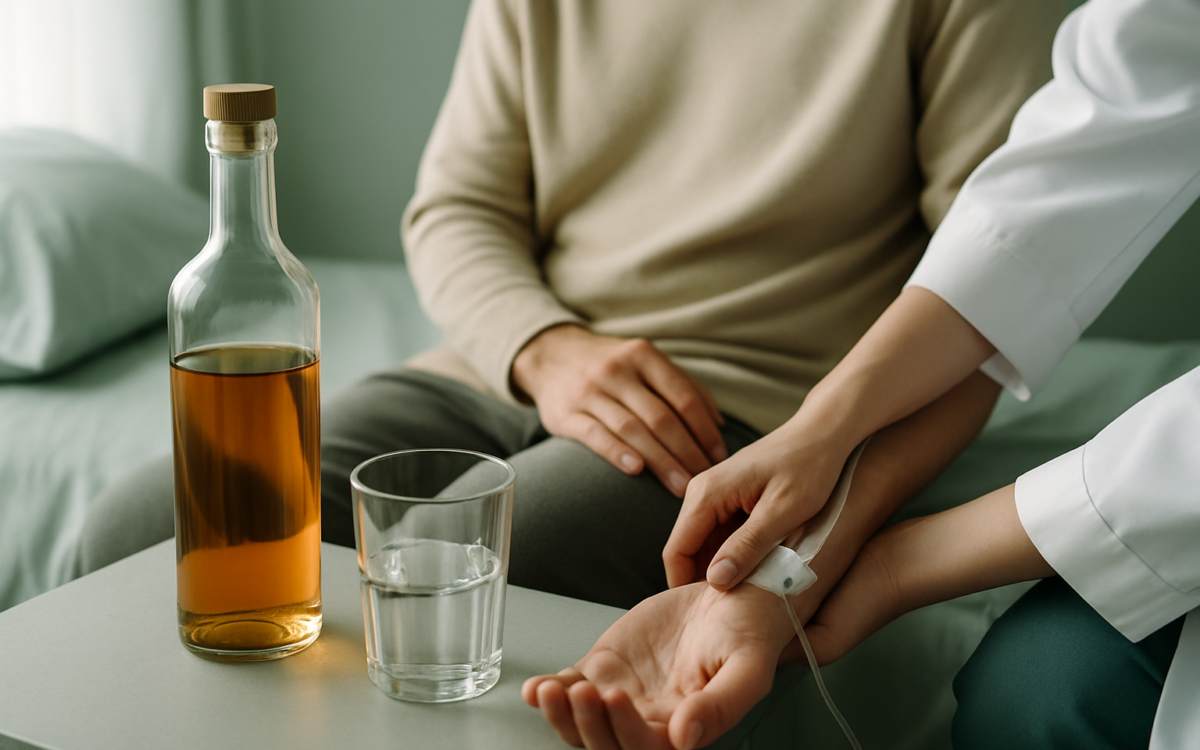
For many people, the journey to recovering from alcohol use starts with detoxification, often called alcohol detox. This process can be both challenging and essential for breaking free from dependence on alcohol. Understanding what alcohol detox entails, the potential symptoms, and how to navigate this stage can be invaluable. Here, we present a comprehensive guide to alcohol detox to help you or a loved one make informed decisions.
What Is Alcohol Detox?
Alcohol detox is the process of removing alcohol from the body while managing withdrawal symptoms. It occurs when someone who has been drinking heavily decides to stop or significantly reduce their alcohol intake. This can lead to physical and psychological symptoms due to the body’s dependence on alcohol.
Why Is Alcohol Detox Important?
Detoxification serves as a crucial first step in the recovery journey. When someone is dependent on alcohol, their body becomes accustomed to its presence. Stopping suddenly can lead to withdrawal symptoms, which can vary in intensity and duration. Proper detox helps to manage these symptoms, making the transition smoother and laying the foundation for ongoing recovery and treatment.
Common Symptoms of Alcohol Withdrawal
Withdrawal symptoms can vary widely among individuals. Some may experience mild discomfort, while others may face severe complications. Here are some common symptoms:
- Anxiety and Shakiness: Many individuals report feeling anxious or experiencing hand tremors.
- Nausea and Vomiting: Digestive upset is common during detox.
- Insomnia: Difficulty sleeping can be a challenge.
- Diaphoresis: Excessive sweating often occurs.
- Severe Symptoms: In some cases, individuals may experience seizures or delirium tremens (DTs), a severe form of withdrawal that can lead to confusion and severe agitation.
The symptoms can begin as early as a few hours after the last drink and may last for several days. Because severe symptoms can be life-threatening, seeking professional help is important.
How Is Alcohol Detox Done?
There are generally two methods for alcohol detox: inpatient and outpatient care. The choice depends on the severity of the addiction, medical history, and personal preferences.
Inpatient Detox
Inpatient detox occurs at a specialized facility where individuals receive medical supervision 24/7. This method is often recommended for those with a long history of heavy drinking or a history of severe withdrawal symptoms. Medical professionals can monitor vital signs, administer medications to ease withdrawal symptoms, and ensure safety.
Outpatient Detox
Outpatient detox allows individuals to undergo the process at home or in a non-residential setting. This is generally suitable for those with mild withdrawal symptoms and a strong support system. However, it requires careful monitoring by healthcare professionals to avoid complications.
Medications Used in Alcohol Detox
During alcohol detox, medical professionals may use medications to ease withdrawal symptoms and prevent complications. Some common medications include:
- Benzodiazepines: These help reduce anxiety and prevent seizures. Medications like lorazepam or diazepam may be prescribed.
- Anticonvulsants: In some cases, these medications can help prevent seizures during withdrawal.
- Vitamins and Nutritional Support: Thiamine (Vitamin B1) is often administered to prevent Wernicke-Korsakoff syndrome, a serious neurological condition associated with alcohol use.
An individualized treatment plan can significantly improve the detox experience, tailoring medication to specific needs.
Emotional and Social Support During Detox
Detoxing from alcohol is not just a physical process; it is also emotional and social. Having a support network is critical. Here are some ways to build a supportive environment:
- Family and Friends: Engaging loved ones can provide emotional support and encouragement.
- Support Groups: Groups such as Alcoholics Anonymous (AA) can offer community and shared experiences that foster recovery.
- Therapy: Individual or group therapy can help address underlying issues related to alcohol use and develop coping strategies.
Connecting with others who understand the challenges can make a significant difference in recovery.
When to See a Doctor
If you or someone you know is thinking about going through alcohol detox, it is crucial to consult with a healthcare professional first. This is particularly important if there have been previous withdrawal symptoms or if alcohol consumption has been heavy and prolonged. Medical supervision can ensure safety and address any potential complications early.
Conclusion
Alcohol detox is an essential step in recovery for those struggling with alcohol dependence. While it can be challenging, understanding the process, seeking professional help, and building a strong support network can lead to a healthier, alcohol-free life. If you or someone you love is facing this challenge, remember that support is available, and reaching out for help is the first step toward recovery.
For more information about alcohol withdrawal and recovery methods, you can visit NIH National Library of Medicine or the World Health Organization.
