
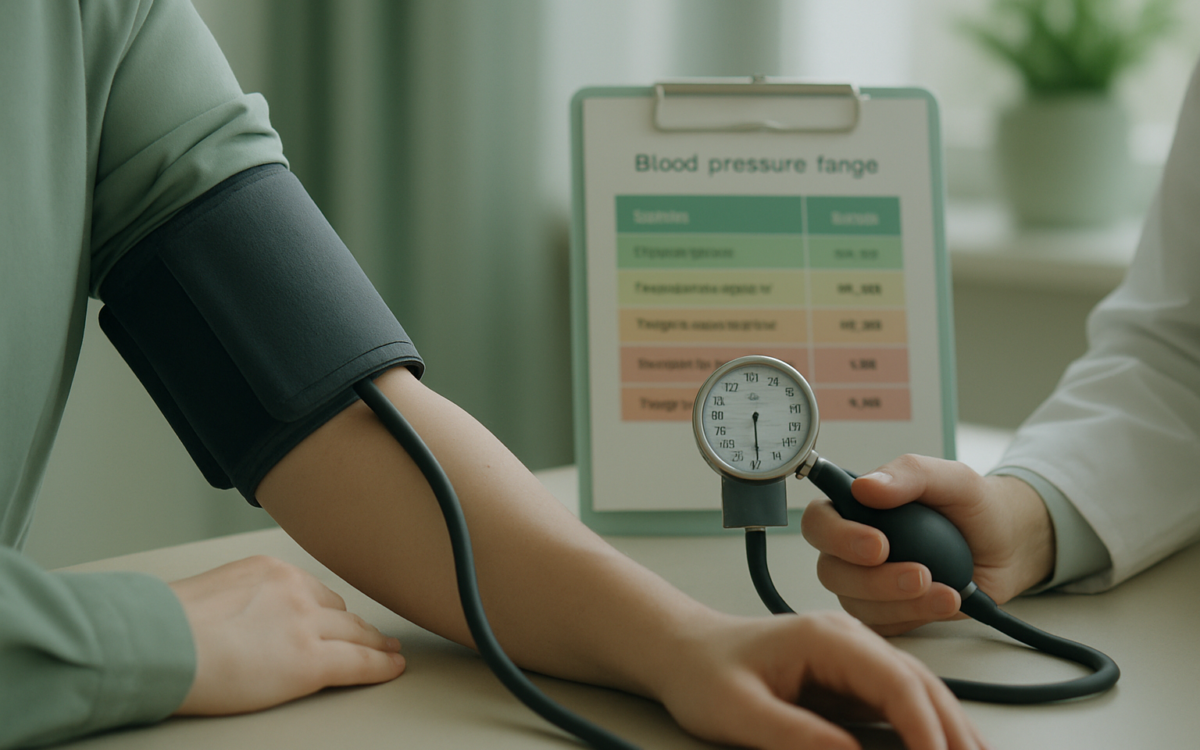
When it comes to heart health, understanding your blood pressure range is crucial. Blood pressure is a vital sign that measures the force of blood against the walls of your arteries. Keeping this number within a healthy range can drastically reduce your risk of serious health issues like heart disease and stroke. In this article, we’ll delve into what blood pressure readings mean, how to measure them accurately, and what factors can influence these numbers.
What is Blood Pressure?
Blood pressure is recorded with two numbers: systolic and diastolic blood pressure. The systolic number (the first reading) reflects the pressure in your arteries when your heart beats, while the diastolic number (the second reading) measures the pressure when your heart rests between beats. Blood pressure readings are expressed in millimeters of mercury (mm Hg).
Understanding Blood Pressure Ranges
The American Heart Association (AHA) classifies blood pressure readings into five categories. Knowing where your blood pressure fits within these ranges is essential for overall health:
- Normal: Systolic less than 120 mm Hg and diastolic less than 80 mm Hg.
- Elevated: Systolic between 120-129 mm Hg and diastolic less than 80 mm Hg.
- Hypertension Stage 1: Systolic between 130-139 mm Hg or diastolic between 80-89 mm Hg.
- Hypertension Stage 2: Systolic 140 mm Hg or higher or diastolic 90 mm Hg or higher.
- Hypertensive Crisis: Systolic over 180 mm Hg and/or diastolic over 120 mm Hg. This requires immediate medical attention.
It’s important to note that a single high or low reading doesn’t necessarily mean you have a blood pressure issue. It’s the average over time that matters. Regular monitoring of your blood pressure can provide a more accurate picture of your heart health.
How to Measure Blood Pressure Correctly
Accurate blood pressure measurement is vital. Here are some tips to ensure you’re getting the most reliable readings:
- Use a validated monitor: Ensure your blood pressure cuff is validated for accuracy.
- Rest before measuring: Sit quietly for at least five minutes before taking a reading.
- Position your arm correctly: Your arm should be at heart level, supported, and your feet should be flat on the floor.
- Take multiple readings: Measure your blood pressure at different times and on different days.
You can measure your blood pressure at home using an automatic blood pressure cuff or in a healthcare setting. Check out resources from the CDC for more detailed guidance.
What Affects Blood Pressure Readings?
Various factors can influence blood pressure, including:
- Diet: High salt, sugar, and unhealthy fat intake can spike blood pressure.
- Stress: Mental and emotional stress can temporarily raise your blood pressure.
- Physical activity: Regular exercise generally helps to lower blood pressure over time.
- Medical conditions: Certain conditions, like diabetes or kidney disease, can impact your readings.
- Medications: Some prescription drugs can affect blood pressure either positively or negatively.
Keeping your lifestyle balanced with healthy eating and regular exercise can positively influence your blood pressure ranges.
Common Myths About Blood Pressure
Understanding what’s true and what’s not can help you manage your health more effectively. Here are some myths about blood pressure:
- Myth: You only have to worry about blood pressure as you get older. Fact: High blood pressure can affect anyone, regardless of age.
- Myth: If you feel fine, your blood pressure is normal. Fact: High blood pressure often has no symptoms; regular checks are essential.
- Myth: Only people who are overweight develop high blood pressure. Fact: Thin individuals can also have high blood pressure due to other factors like stress and diet.
Awareness of these myths can help you take ownership of your health.
When to See a Doctor
If you consistently experience high or low readings, it’s essential to consult your doctor. Additionally, if you experience symptoms like severe headaches, vision changes, chest pain, or shortness of breath, seek medical attention immediately. Regular check-ups can help keep your blood pressure in a healthy range and prevent potential complications.
Conclusion
Understanding blood pressure range is essential for maintaining heart health and preventing serious health conditions. By monitoring your blood pressure regularly and staying informed, you can take steps to keep this vital measurement in a healthy range. Remember, if you have any concerns or questions about your blood pressure, don’t hesitate to consult with a healthcare professional. For more information, visit the NIH for valuable resources on blood pressure management.
