
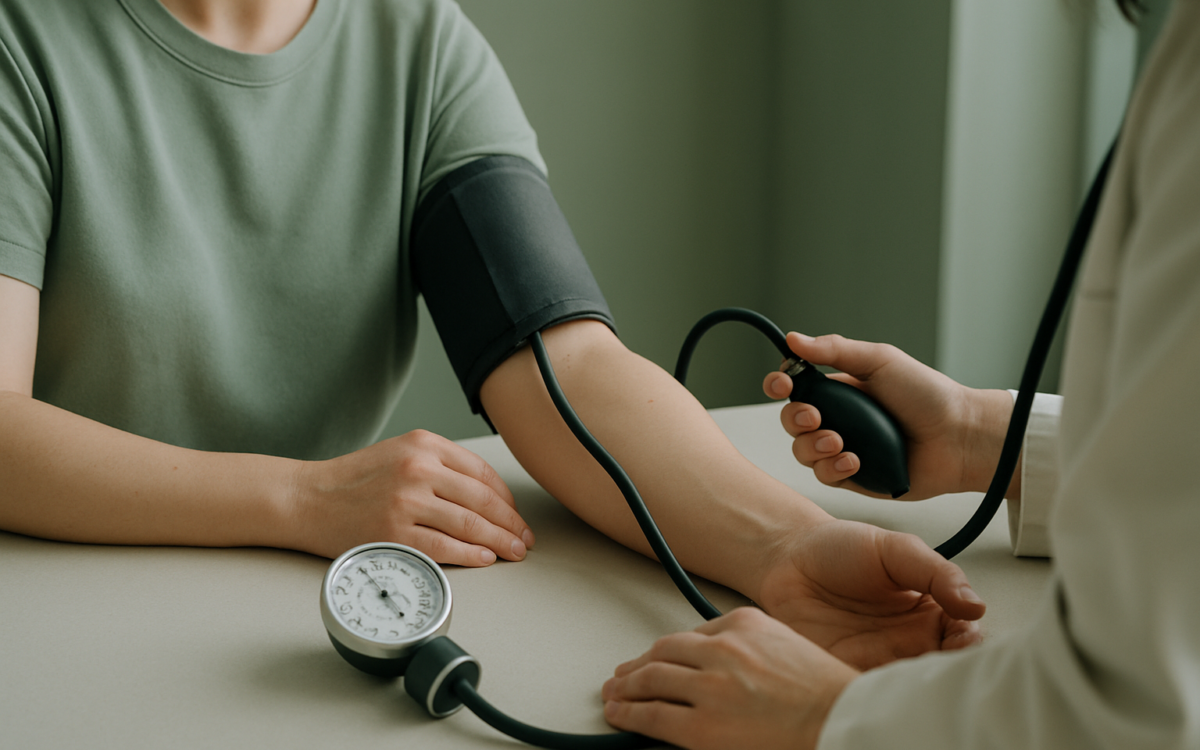
Blood pressure is an essential indicator of our overall health. Understanding what constitutes a good blood pressure reading can help you stay informed about your cardiovascular health. Many people worry about their numbers, but knowing the basics can empower you to take charge of your health.
What is Blood Pressure?
Blood pressure is the force exerted by circulating blood against the walls of blood vessels. It’s measured in millimeters of mercury (mm Hg) and recorded with two numbers: systolic and diastolic. The systolic number, which comes first, measures the pressure in your arteries when your heart beats. The diastolic number measures the pressure when your heart is at rest between beats.
Defining Healthy Blood Pressure Levels
The American Heart Association (AHA) defines healthy blood pressure as anything below 120/80 mm Hg. Here are the categories based on the latest guidelines:
- Normal: Less than 120/80 mm Hg
- Elevated: Systolic between 120-129 and diastolic less than 80
- Hypertension Stage 1: Systolic between 130-139 or diastolic between 80-89
- Hypertension Stage 2: Systolic 140 or higher or diastolic 90 or higher
- Hypertensive crisis: Systolic over 180 and/or diastolic over 120
Maintaining a blood pressure in the normal range is crucial for reducing the risk of heart disease, stroke, and other serious conditions. You can find more detailed guidelines on healthy blood pressure levels from the American Heart Association.
Factors Affecting Blood Pressure
Several lifestyle factors can influence your blood pressure. Here are a few key ones:
- Diet: Eating a balanced diet low in sodium and high in fruits, vegetables, and whole grains can help maintain healthy blood pressure.
- Physical Activity: Regular exercise strengthens your heart, allowing it to pump blood more efficiently. Aim for at least 150 minutes of moderate aerobic activity each week.
- Weight Management: Being overweight can increase your risk of hypertension. Losing even a small amount of weight can help lower blood pressure.
- Alcohol and Tobacco Use: Heavy drinking and smoking can raise blood pressure significantly. Reducing or eliminating these can be beneficial.
- Stress: Chronic stress may contribute to high blood pressure. Finding healthy coping mechanisms, such as mindfulness or yoga, can help manage it.
How to Monitor Your Blood Pressure
Regular monitoring is essential to keep track of your blood pressure, especially if you have risk factors for hypertension. Here are some methods for monitoring:
- Home Blood Pressure Monitors: These are widely available and relatively easy to use. Ensure that your device is validated for accuracy by checking with your healthcare provider.
- Doctor Visits: Regular check-ups can help keep your blood pressure in check. Your doctor can provide guidance specific to your health needs.
- Keep a Log: Recording your blood pressure readings can help you and your doctor assess trends and adjust treatment if necessary.
Health authorities like the CDC recommend staying aware of your blood pressure, especially if you’re at risk for hypertension.
What Can Happen if Blood Pressure is Too High?
High blood pressure, or hypertension, often presents no symptoms but can lead to serious health issues over time. Here are some potential risks:
- Heart Disease: Hypertension is a leading risk factor for heart attacks and coronary artery disease.
- Stroke: High blood pressure can cause the blood vessels in the brain to burst or become blocked.
- Kidney Disease: The kidneys may be damaged from chronic high blood pressure, impairing their ability to filter waste from the blood.
- Vision Loss: Narrowed or blocked blood vessels in the eyes can result from uncontrolled hypertension.
Understanding these potential risks underscores the importance of maintaining healthy blood pressure levels consistently.
When to See a Doctor
If your blood pressure readings indicate elevated levels or if you experience any of the following symptoms, it is vital to consult your healthcare provider:
- Severe headaches
- Shortness of breath
- Nosebleeds
- Flushing
- Blurred vision
- Dizziness
Early intervention can significantly improve outcomes and help you manage your blood pressure effectively.
Conclusion
Understanding what constitutes a good blood pressure reading is essential for maintaining your health. With knowledge and lifestyle adjustments, many individuals can achieve and sustain healthy blood pressure levels. Remember to consult your doctor for personalized advice and to monitor your blood pressure to stay on top of your cardiovascular health.
