
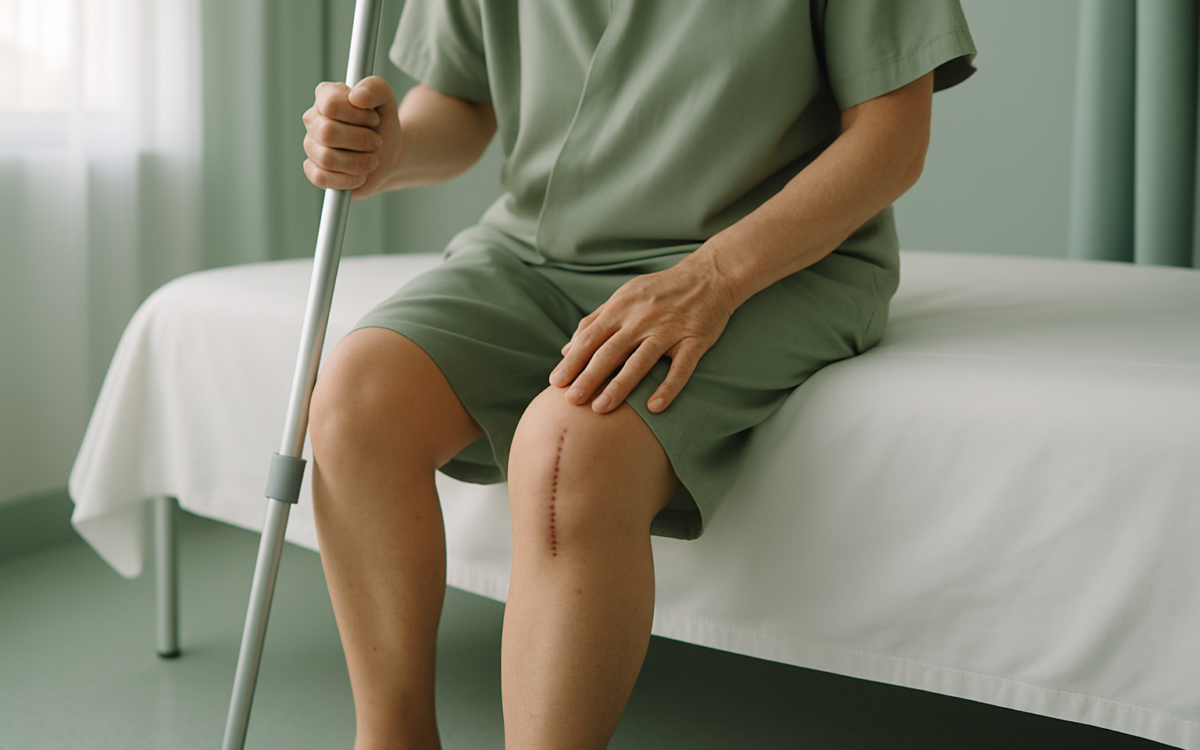
Experiencing life after knee replacement surgery can be both exhilarating and challenging. Many patients feel relieved to have significantly reduced pain and improved mobility. However, the journey to full recovery takes time, dedication, and support. This article aims to guide you through various aspects of post-surgical life, helping you understand what to expect and how to manage your recovery effectively.
Understanding the recovery timeline
Recovery from knee replacement surgery doesn’t happen overnight. It is important to understand the general timeline you can expect:
- First few days: Right after surgery, you’ll likely remain in the hospital for 1 to 3 days. During this time, medical staff will manage your pain, monitor your healing, and begin the initial steps of rehabilitation.
- Weeks 1-2: Many patients transition to home care, focusing on gradual movement and physical therapy (PT). This initial phase is crucial for reducing swelling and regaining range of motion.
- Weeks 3-6: As outpatient physical therapy begins, most patients start to regain more strength and mobility. You may be advised to stop using crutches or a walker as you progress.
- 3-6 months: By this point, many individuals can resume most daily activities. It’s not unusual for healing to continue for up to a year.
Every person’s timeline may vary due to factors like age, overall health, and adherence to post-operative protocols. It’s essential to follow your doctor and therapist’s recommendations throughout your recovery journey.
Physical therapy and exercise
Physical therapy is a cornerstone of your recovery after knee replacement. Engaging in the right exercises as prescribed can help you regain strength and mobility. Here’s what you should consider:
- Start slow: Initially, you may be instructed to perform gentle range-of-motion exercises. These help to prevent stiffness and promote circulation.
- Consistent routine: Aim for daily exercises based on your therapist’s guidance. Consistency is key to recovery.
- Listen to your body: If you experience pain beyond mild discomfort, speak with your physical therapist. They may adjust your exercises accordingly.
- Include strength-building: As you progress, incorporating strength exercises is vital. Leg lifts, seated marches, and wall slides can help strengthen your muscles.
Collaborating with a physical therapist is essential for creating a personalized plan that meets your recovery needs. For more detailed information, visit Mayo Clinic’s guide.
Pain management strategies
Post-surgery pain management is crucial for a successful recovery. Here’s how you can approach it:
- Follow your doctor’s protocol: Your physician will likely prescribe pain medications. Always adhere to the dosing schedule and communicate any concerns.
- Ice and elevate: Applying ice packs to your knee helps reduce swelling and alleviate discomfort. Elevating your leg can also promote healing.
- Alternative methods: Consider gentle activities like deep breathing exercises, yoga, or meditation to assist in pain relief. Some find that these practices help improve overall well-being.
Managing pain effectively will enable you to participate more actively in your rehabilitation and daily activities, ultimately making your recovery process smoother.
Navigating daily life and activities
Adapting to life after knee replacement involves some lifestyle changes, especially during your recovery. Here are a few tips:
- Modify daily tasks: Simple actions such as getting dressed or using the bathroom may require modifications. Use assistive devices if necessary.
- Take it easy: Gradually return to your regular activities, but don’t rush. Listen to your body to prevent overexertion.
- Seek support: Don’t hesitate to ask family and friends for help with transportation or daily chores. Surrounding yourself with a support network can make a significant difference.
- Stay positive: Maintaining a positive outlook promotes emotional well-being. Engage in activities that bring you joy, whether it’s a hobby or spending time with loved ones.
Implementing these strategies will help you smoothly navigate the transition as you recover and regain your independence.
Diet and nutrition for recovery
A balanced diet plays a vital role in your recovery process. Here’s how nutrition can support your healing:
- Protein intake: Protein is essential for repairing tissues and muscles. Include sources such as lean meats, fish, eggs, beans, and nuts in your meals.
- Hydration matters: Staying hydrated helps to reduce swelling and support overall health during recovery.
- Nutritious choices: Focus on a variety of vegetables, fruits, whole grains, and healthy fats. Recommended vitamins and minerals, such as Vitamin C and calcium, can also aid healing.
A nutritionist can help create a meal plan that ensures you’re getting the necessary nutrients to support your recovery journey.
When to see a doctor
While some discomfort is normal after surgery, certain symptoms may indicate complications. Contact your doctor if you experience:
- Severe swelling or redness around the knee
- Fever higher than 101°F (38.3°C)
- Persistent pain that does not improve with prescribed medications
- Difficulty moving your knee or bearing weight adequately
- Signs of infection, such as drainage or increased tenderness
Staying vigilant about any concerning signs can help catch issues early, ensuring your recovery remains on track.
Embracing life after knee replacement might seem daunting, but with patience and dedication, it can lead to a new chapter of improved mobility and a rewarding lifestyle. By understanding your recovery timeline, committing to physical therapy, managing pain effectively, adapting your daily life, and focusing on nutrition, you can enjoy all the benefits your new knee has to offer.
