
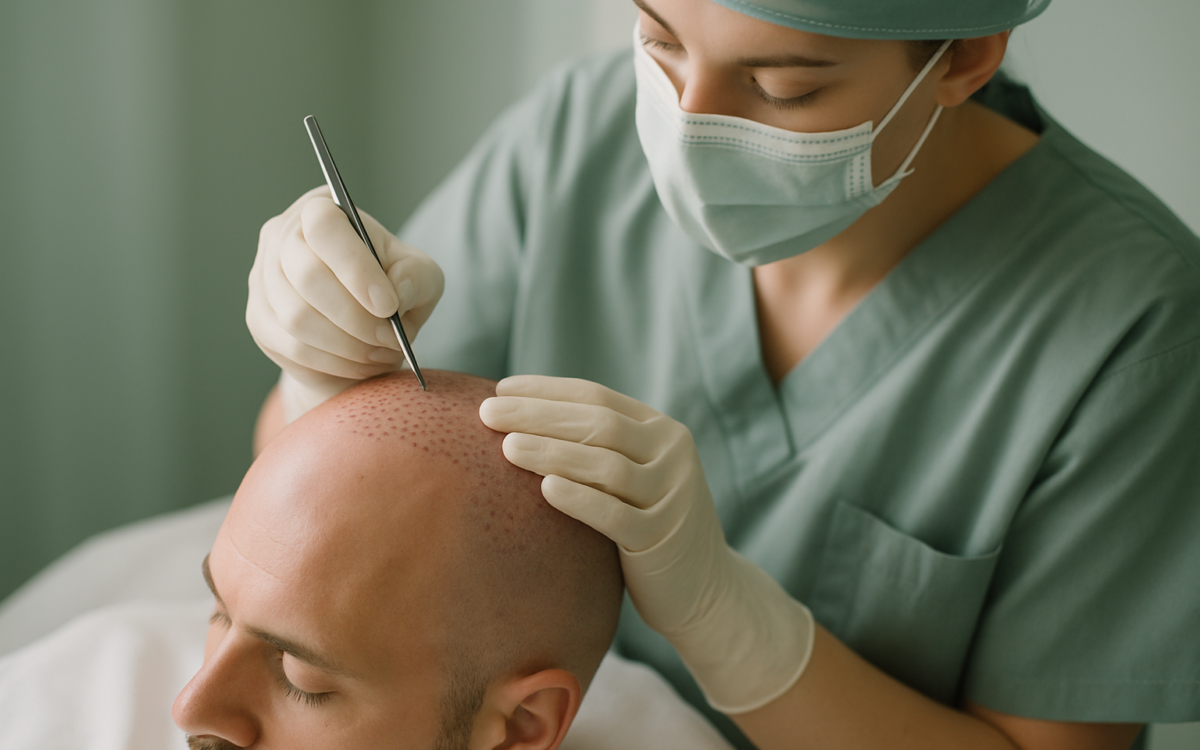
Hair loss can be a distressing experience for many individuals, leading them to seek effective solutions. One of the most popular procedures for restoring hair is the Follicular Unit Extraction (FUE) hair transplant. This minimally invasive technique offers a way to regain lost hair while maintaining a natural appearance. In this article, we will explore how FUE works, its benefits, and what you can expect if you decide to undergo the procedure.
What is FUE Hair Transplant?
Follicular Unit Extraction, or FUE, is a hair restoration technique that involves harvesting individual hair follicles from a donor area on your scalp and transplanting them to areas with thinning or no hair. Unlike traditional hair transplants that require a strip of scalp to be removed, FUE is less invasive and leaves minimal scarring.
How Does the FUE Procedure Work?
The FUE procedure typically involves several steps:
- Consultation: During your initial visit, a healthcare professional will assess your hair loss, discuss your goals, and determine if you are a suitable candidate for FUE.
- Donor Site Preparation: The donor area, usually at the back or sides of your scalp, is shaved and cleaned.
- Anesthesia: Local anesthesia is administered to minimize discomfort during the procedure.
- Follicle Extraction: Using a specialized tool, individual hair follicles are extracted from the donor area. This step is crucial as it determines the survival rate of the transplanted hair.
- Site Preparation: The recipient area is prepared by making small incisions where the grafts will be placed.
- Graft Transplantation: Finally, the extracted follicles are carefully implanted into the designated areas.
The entire process can take several hours, depending on the number of grafts needed. It’s performed on an outpatient basis, so you can go home the same day.
Benefits of FUE Hair Transplants
FUE hair transplants come with several advantages:
- Minimally Invasive: FUE leaves smaller scars compared to traditional techniques, making it easier to conceal.
- Natural Appearance: Since individual follicles are transplanted, the results tend to look more natural.
- Less Discomfort: Many patients report less pain during and after the procedure compared to other hair transplant techniques.
- Fast Recovery: The recovery time is generally quicker, allowing patients to return to their daily activities sooner.
- Versatility: FUE is suitable for various hair types and can be used for eyebrow transplants and covering scars.
What to Expect During Recovery
After an FUE hair transplant, your body will start to heal, and there are a few things to expect:
- Initial Healing: You may notice redness and swelling in the areas where the follicles were implanted. This usually subsides within a few days.
- Hair Shedding: It’s common for the transplanted hair to shed within the first month due to the normal hair growth cycle. Don’t worry; the hair will typically begin to regrow after a few months.
- Follow-up Care: Your doctor will provide specific aftercare instructions, which may include avoiding strenuous activities, sun exposure, and specific hair care products.
- Final Results: While initial regrowth may take around three to four months, it can take up to a year to see the full results of your hair transplant.
Potential Risks and Considerations
While FUE is a safe procedure, it’s important to be aware of potential risks:
- Infection: As with any surgical procedure, there’s a risk of infection at the extraction or implantation sites.
- Scarring: Although FUE minimizes scarring, some patients may still experience noticeable scarring in the donor area.
- Unnatural Results: If not done correctly, the transplanted hair can appear uneven or unnatural.
- Hair Loss: Some individuals may find that not all transplanted hair grows back as expected.
It’s essential to discuss these risks with your healthcare provider to make an informed decision.
When to See a Doctor
If you’re considering an FUE hair transplant or have recently undergone one, consult your doctor if you experience:
- Signs of infection, such as increased redness, swelling, or discharge.
- Severe pain not relieved by medication.
- Any unusual hair loss or areas of thinning after the initial healing period.
Conclusion
FUE hair transplants offer a promising solution for those looking to restore their hair and boost their confidence. With its minimally invasive nature and natural-looking results, it’s no surprise that many people are turning to this procedure. However, as with any medical procedure, thorough research and consultation with a qualified healthcare provider are essential. If you think FUE might be right for you, take the first step by scheduling a consultation to discuss your options.
