
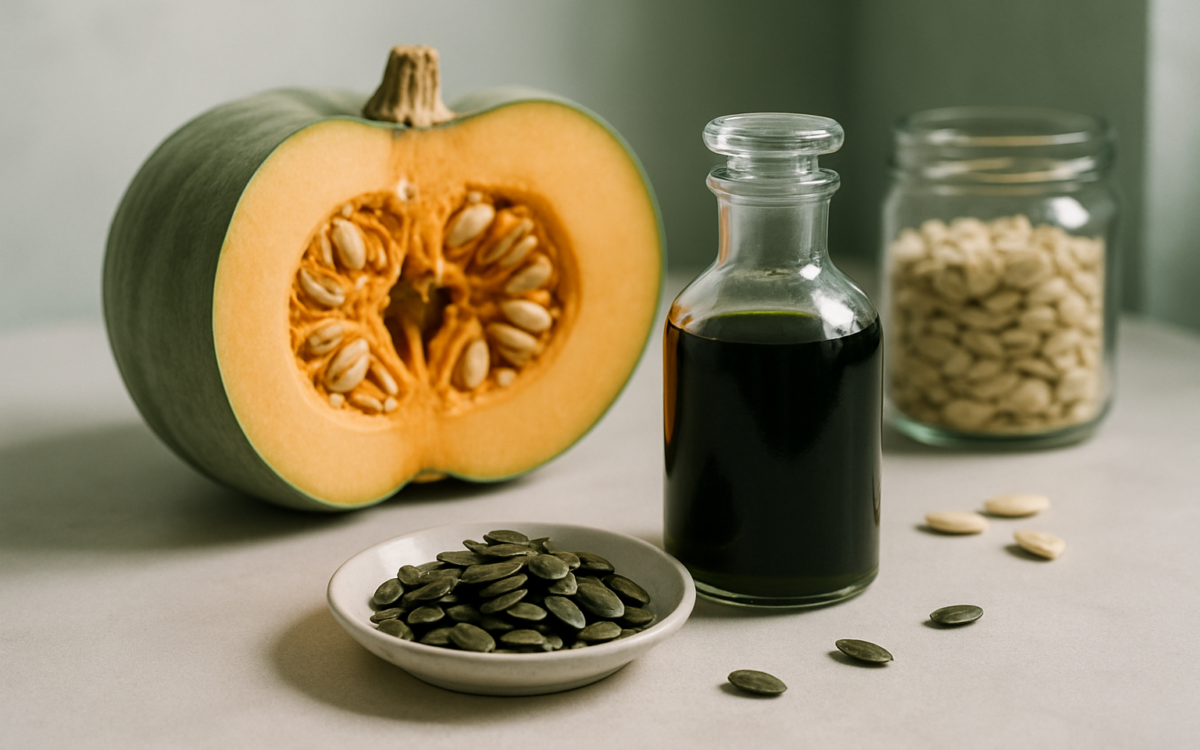
Pumpkin seed oil, derived from the seeds of the pumpkin, is a culinary treasure that has been celebrated in various cultures for centuries. Known for its rich, nutty flavor and vibrant green color, this oil is not just a delightful addition to your kitchen; it also offers a range of health benefits that many people are unaware of. In this article, we will explore what pumpkin seed oil is, its nutritional content, health benefits, and how you can easily incorporate it into your diet.
What Is Pumpkin Seed Oil?
Pumpkin seed oil is extracted from the seeds of Cucurbita pepo, a plant commonly known as the pumpkin. The seeds are roasted and pressed to extract the oil, which results in a distinctively rich and earthy flavor. There are two types of pumpkin seed oil: one that is refined, which has a lighter color and a milder taste, and the unrefined version, which has a more vibrant green hue and a stronger flavor. Each has its uses in cooking and salad dressings.
Nutritional Content of Pumpkin Seed Oil
Pumpkin seed oil is a nutrient-dense oil that packs a punch when it comes to healthy fats. It primarily consists of:
- Polyunsaturated Fatty Acids: Gamma-linolenic acid (GLA) and omega-6 fatty acids are abundant in pumpkin seed oil, making it beneficial for heart health.
- Antioxidants: This oil contains significant amounts of vitamin E and other antioxidants, which help combat oxidative stress in the body.
- Minerals: Pumpkin seed oil is a good source of magnesium, zinc, and iron. These minerals are essential for various bodily functions, including immune health and cellular repair.
Health Benefits of Pumpkin Seed Oil
Incorporating pumpkin seed oil into your diet can provide several health benefits:
1. Heart Health
Research suggests that the healthy fats found in pumpkin seed oil, particularly the polyunsaturated fats, can help improve heart health by reducing inflammatory markers and lowering cholesterol levels.
2. Prostate Health
Some studies indicate that pumpkin seed oil may support prostate health, particularly in men suffering from benign prostatic hyperplasia (BPH). This condition can lead to discomfort and urinary issues. Oils rich in phytonutrients may have a positive effect on prostate function. According to a study published in the National Institutes of Health, pumpkin seed oil showed promise in reducing symptoms of BPH.
3. Anti-Inflammatory Properties
The omega-3 and omega-6 fatty acids in pumpkin seed oil have anti-inflammatory effects. Regular consumption may help alleviate symptoms associated with arthritis and other inflammatory conditions.
4. Skin and Hair Benefits
Pumpkin seed oil is rich in nutrients that benefit skin health, including vitamin E and fatty acids. Applying the oil topically may contribute to healthier skin, reduce acne, and improve hydration. Additionally, some people use it as a natural treatment for hair loss, as it may promote healthy hair growth.
How to Use Pumpkin Seed Oil in Your Diet
There are many creative ways to incorporate pumpkin seed oil into your meals:
- Dressings: Drizzle it on salads or mix it with vinegar for a simple dressing that enhances flavor.
- Sous Vide Cooking: Use it in sous vide preparations to infuse your dishes with its nutty flavor.
- Drizzle on Vegetables: Roasted or steamed vegetables pair well with pumpkin seed oil for added taste.
- Flavoring Grain Dishes: Add a splash to cooked grains like quinoa or rice for a flavor boost.
When to See a Doctor
If you experience any adverse reactions after consuming pumpkin seed oil, such as allergies or gastrointestinal discomfort, it is wise to consult your doctor. Additionally, if you are pregnant, breastfeeding, or have existing health conditions, discussing your dietary choices with a healthcare provider is advisable.
Conclusion
In summary, pumpkin seed oil is not just a flavorful addition to your meals; it also boasts numerous health benefits, from supporting heart health to enhancing skin and hair vitality. By incorporating this nutrient-dense oil into your diet, you can enjoy its delicious flavor while reaping the rewards for your overall health. As always, it’s a good idea to consult your doctor before making any significant changes to your diet.
