
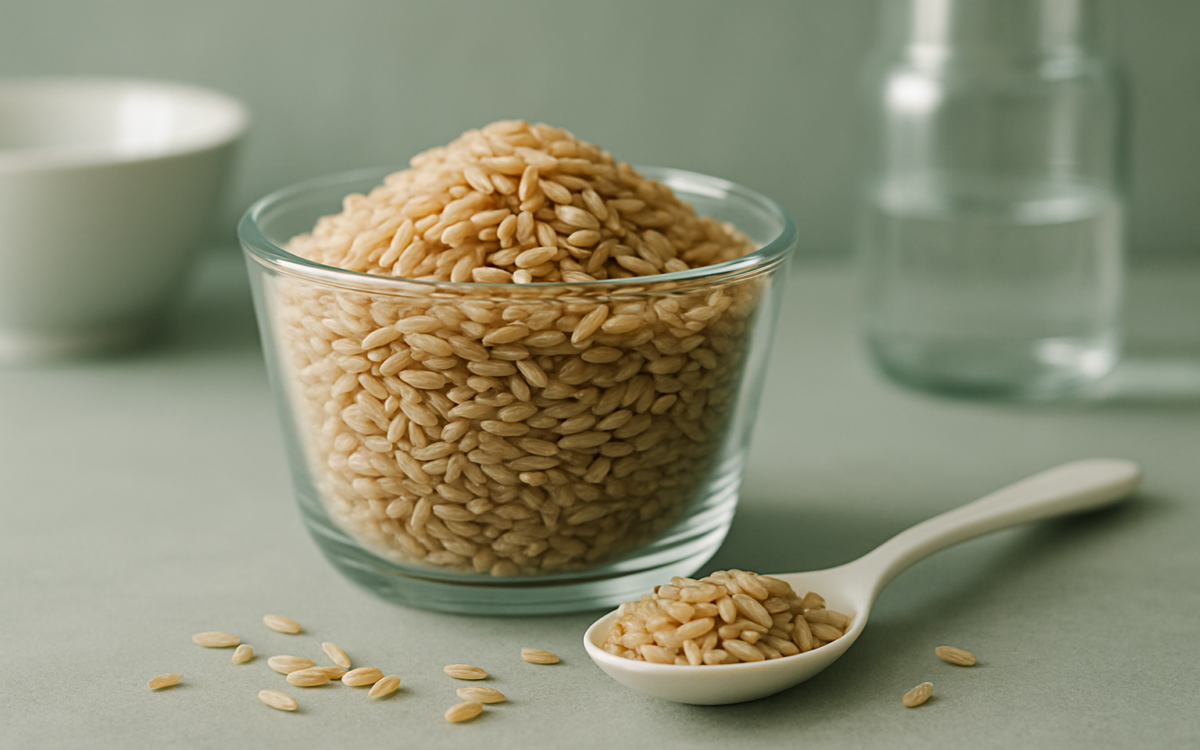
Whole grain rice has gained popularity in recent years as a nutritious, versatile food option. Unlike its polished white counterparts, whole grain rice retains its bran and germ layers, making it a healthier choice filled with essential nutrients and benefits. This article will take you through the various types of whole grain rice, their health advantages, and some delicious ways to incorporate them into your meals.
Understanding whole grain rice
Whole grain rice refers to rice that has not been stripped of its bran, germ, and endosperm. This retention preserves the grain’s natural nutrients:
- Bran: The outer layer rich in fiber, antioxidants, and B vitamins.
- Germ: The nutrient-rich core that contains healthy fats, vitamins, and minerals.
- Endosperm: The starchy part that provides energy.
Common types of whole grain rice include brown rice, black rice (forbidden rice), and wild rice. Each variety has its unique flavor and texture, making them suitable for various dishes.
Health benefits of whole grain rice
Incorporating whole grain rice into your diet can offer several health benefits:
- Rich in fiber: The fiber content in whole grain rice promotes digestive health by helping to regulate bowel movements and prevent constipation. A high-fiber diet is associated with a reduced risk of colon cancer and may help manage weight.
- Nutrient-dense: Whole grain rice contains essential nutrients, including vitamins B1 (thiamine), B3 (niacin), and minerals like magnesium and phosphorus. These nutrients are vital for energy production, brain function, and bone health.
- Heart health: Consuming whole grains, including whole grain rice, is linked to improved heart health. Whole grains can help lower cholesterol levels and reduce the risk of heart disease (source: NIH).
- Blood sugar management: The low glycemic index of whole grain rice means it has a slower impact on blood sugar levels compared to refined grains. This can be beneficial for people with diabetes or those looking to maintain stable energy levels throughout the day.
How to incorporate whole grain rice into your diet
There are many ways to enjoy whole grain rice, making it easy to add to your meals:
- Substitute in recipes: Replace white rice with brown or black rice in your favorite recipes. These varieties can enhance stir-fries, curries, and salads.
- As a base for bowls: Use whole grain rice as a base for grain bowls. Top with your favorite protein, vegetables, and sauces for a balanced meal.
- Pilafs and risottos: Whole grain rice can add depth and flavor to your pilafs and risottos. Cooking it slowly allows it to absorb flavors beautifully.
- Breakfast options: Consider using whole grain rice in breakfast dishes. Grain porridge made with brown rice can be a hearty and satisfying start to your day.
Storage and preparation tips
Proper storage and preparation will ensure you get the best out of your whole grain rice:
- Storage: Keep uncooked whole grain rice in a cool, dry place in an airtight container. Cooked rice can be refrigerated for about 3-5 days or frozen for extended storage.
- Preparation: Rinse whole grain rice under cold water before cooking to remove any excess starch, which can lead to a gummy texture. Use a ratio of 2 cups of water for every 1 cup of whole grain rice, and adjust the cooking time based on the type of rice.
Debunking myths about whole grain rice
As with many health foods, misconceptions can arise. Here are some common myths about whole grain rice and the facts to counter them:
- Whole grain rice is harder to digest: While it’s true that whole grain rice has a higher fiber content, it is generally not harder to digest for most people. Those with specific digestive issues should consult a healthcare provider.
- Whole grains are only for health enthusiasts: Whole grain rice can be enjoyed by everyone. It is a wholesome addition to various diets and can easily fit in casual meals.
- Whole grain rice is bland: On the contrary, whole grain rice offers a nutty flavor and chewy texture, enhancing the taste of any dish it’s paired with.
When to see a doctor
If you have specific dietary concerns, experience digestive issues after consuming whole grain rice, or if you have conditions like celiac disease or other gluten sensitivities, it’s essential to consult a healthcare professional. They can provide guidance tailored to your personal health needs.
In conclusion, whole grain rice is a nutritious, versatile food that can significantly enhance your diet. With its array of health benefits, different varieties, and easy ways to incorporate it into meals, whole grain rice deserves a place on your plate. Start exploring the benefits of whole grain rice today for a healthier tomorrow!
