
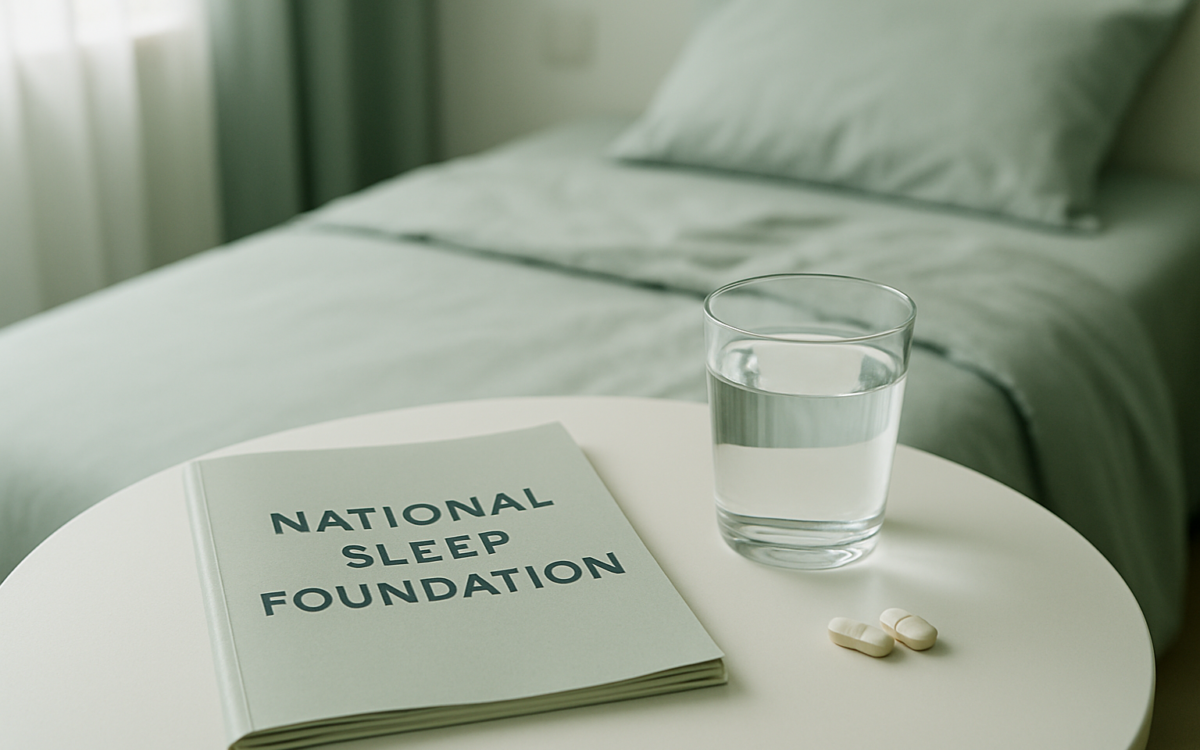
Sleep is a cornerstone of our overall health, yet many of us struggle to get the quality rest we need. The National Sleep Foundation (NSF) has dedicated itself to raising awareness about sleep health and providing vital resources for individuals to improve their sleep. Understanding their recommendations can lead to better sleep hygiene and overall well-being.
The Mission of the National Sleep Foundation
Founded in 1990, the National Sleep Foundation’s primary mission is to improve public health by promoting awareness and understanding of sleep disorders and sleep health. They conduct rigorous research, advocate for sleep health policy, and offer educational resources for both the public and healthcare professionals. Through their efforts, the NSF aims to empower individuals to make informed decisions about their sleep.
How Much Sleep Do You Really Need?
One of the most common questions people ask is, “How much sleep do I need?” The National Sleep Foundation has established guidelines based on age groups:
- Newborns (0-3 months): 14-17 hours
- Infants (4-11 months): 12-15 hours
- Toddlers (1-2 years): 11-14 hours
- Preschoolers (3-5 years): 10-13 hours
- School-age children (6-13 years): 9-11 hours
- Teenagers (14-17 years): 8-10 hours
- Adults (18-64 years): 7-9 hours
- Older adults (65+ years): 7-8 hours
These recommendations provide a guideline that can help you assess whether you’re getting enough sleep. However, individual needs might vary, so pay attention to how you feel during the day.
Recognizing Sleep Disorders
The NSF emphasizes the importance of recognizing sleep disorders. Common disorders include insomnia, sleep apnea, narcolepsy, and restless legs syndrome. Each of these can severely impact your sleep quality and overall health. For instance, sleep apnea can lead to daytime fatigue and even increase the risk of heart disease.
If you consistently have trouble falling asleep, often wake up during the night, or feel excessively sleepy during the day, you may want to consult a healthcare professional. They can guide you toward appropriate treatments, such as cognitive behavioral therapy for insomnia or lifestyle changes to promote better sleep.
Sleep Hygiene Practices
Improving your sleep hygiene can make a significant difference in how well you sleep. The National Sleep Foundation offers several practical tips:
Create a Sleep Schedule
Go to bed and wake up at the same time every day to regulate your body’s internal clock. This helps to establish a consistent sleep pattern.
Optimize Your Bedroom Environment
Your sleep environment matters! Keep your bedroom cool, dark, and quiet. Consider blackout curtains or white noise machines to minimize distractions.
Limit Screen Time
The blue light emitted by phones, tablets, and computers can interfere with your ability to fall asleep. Try to avoid screens at least an hour before bedtime.
Watch What You Eat and Drink
Avoid heavy meals, caffeine, and alcohol close to bedtime. These substances can disrupt your sleep cycle.
Incorporate Relaxation Techniques
Practices such as deep breathing, meditation, or gentle yoga before bed can help calm your mind and prepare your body for sleep.
Understanding the Impact of Sleep on Health
Quality sleep is crucial for various aspects of health, from mental well-being to physical fitness. According to the National Institutes of Health, poor sleep quality is associated with serious health issues, including obesity, diabetes, and cardiovascular disease. This means prioritizing sleep is not just about feeling rested; it is a fundamental component of a healthy lifestyle.
Moreover, sleep influences mood and cognitive function. Lack of sleep can lead to irritability, difficulty concentrating, and increased stress levels, which can create a cycle that further disrupts sleep patterns.
Finding Support and Resources
In addition to the Foundation’s guidelines, numerous resources are available for those seeking help with sleep issues. Educational materials, podcasts, and community programs can assist in elevating sleep health awareness. The NSF’s website offers a wealth of information, tools, and techniques to help you find the resources you need.
When to See a Doctor
If you find that sleep difficulties persist despite trying various sleep hygiene practices, it may be time to consult a healthcare professional. Signs that warrant a doctor’s visit include:
- Chronic fatigue or daytime sleepiness
- Frequent snoring or gasping during sleep
- Inability to concentrate due to lack of sleep
- Family history of sleep disorders
A healthcare provider can evaluate your symptoms and recommend appropriate tests or treatments that can improve your sleep quality.
In conclusion, the National Sleep Foundation plays a vital role in promoting sleep health and awareness. By understanding their guidelines and implementing good sleep practices, you can take proactive steps toward a better night’s sleep and improved overall health. Embrace the journey to restful sleep—your body will thank you!
