
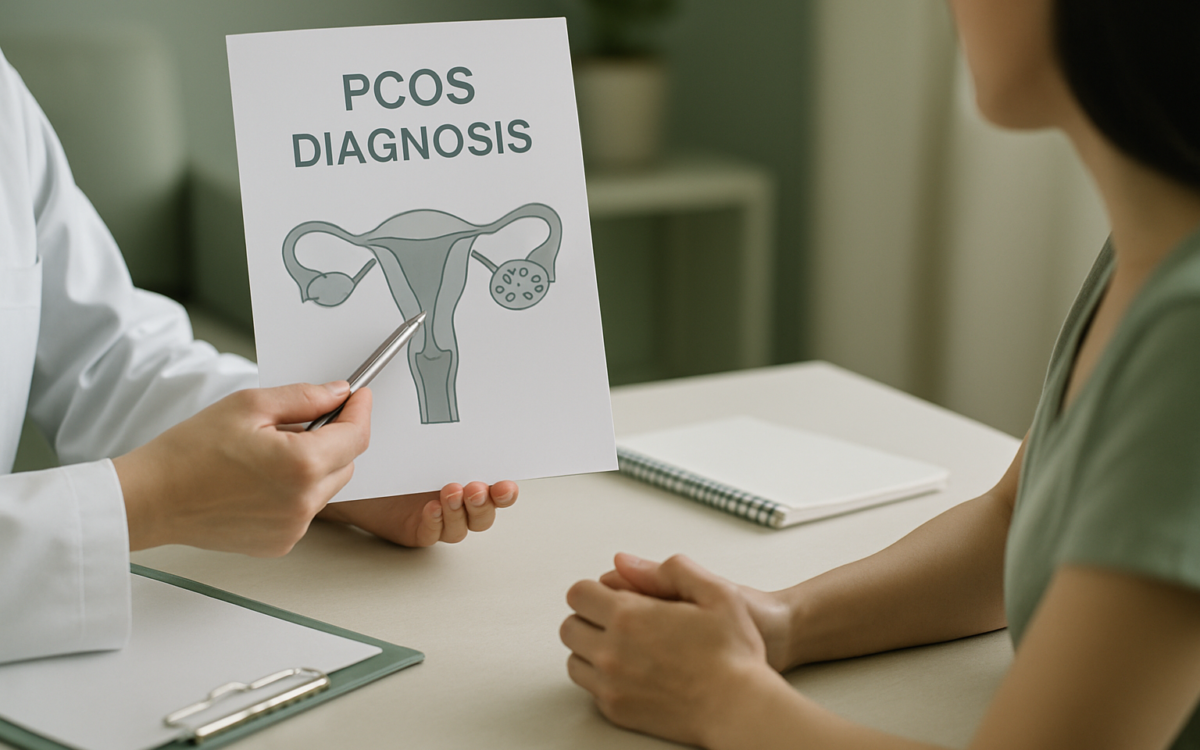
Polycystic ovary syndrome (PCOS) is a common hormonal disorder that affects people with ovaries, especially during their reproductive years. Despite being widespread, it often goes undiagnosed or misdiagnosed due to the variability in symptoms. Understanding how PCOS is diagnosed can empower those with the condition to seek appropriate care and make informed decisions about their health.
What is PCOS?
PCOS affects about 5% to 10% of women of childbearing age, according to the National Institutes of Health (NIH). It’s characterized by a combination of symptoms that may include irregular menstrual cycles, excessive hair growth, acne, and weight challenges. The condition is linked to hormonal imbalances, particularly elevated levels of androgens (male hormones), and insulin resistance.
Common Symptoms of PCOS
Recognizing the symptoms of PCOS is crucial for early diagnosis and treatment. Here are some of the most commonly reported symptoms:
- Irregular Menstrual Cycles: Many individuals with PCOS experience infrequent, irregular, or prolonged menstrual cycles.
- Excess Androgens: Higher-than-normal levels of male hormones can lead to symptoms such as hirsutism (excess hair growth), acne, and male-pattern baldness.
- Polycystic Ovaries: Some may have enlarged ovaries containing numerous small fluid-filled sacs (follicles) that can be seen through ultrasound imaging.
- Weight Gain: Many individuals with PCOS struggle with obesity or have difficulty maintaining a healthy weight.
- Skin Changes: Dark patches on the skin, particularly in areas such as the neck and underarms, can also occur.
How is PCOS Diagnosed?
The process of diagnosing PCOS usually involves several key steps:
1. Medical History
A comprehensive medical history is essential. Your healthcare provider will ask about your menstrual cycle, weight changes, skin issues, and family history of diabetes or cardiovascular problems. It’s important to provide clear and honest information.
2. Physical Examination
During a physical exam, your doctor will evaluate your weight, body mass index (BMI), and signs of excess hair growth or acne. This examination helps determine the presence of symptoms associated with the condition.
3. Blood Tests
Your healthcare provider may order blood tests to check hormone levels, including androgens, to assess whether they are elevated. Additionally, they may look for signs of insulin resistance and cholesterol levels to evaluate your overall metabolic health.
4. Ultrasound
An ultrasound can be performed to examine your ovaries and pelvic organs. This imaging test can reveal the presence of cysts and any abnormalities that may be present, aiding in the diagnosis.
Understanding the Rotterdam Criteria
The Rotterdam criteria serve as a standardized framework for diagnosing PCOS. To receive a diagnosis, an individual typically needs to meet at least two of the following three criteria:
- Irregular or absent menstrual cycles
- Excess levels of androgens (clinically or biochemically)
- Presence of polycystic ovaries on ultrasound
This approach helps ensure that individuals are diagnosed accurately, allowing for better-targeted treatment options.
The Importance of a Proper Diagnosis
A correct diagnosis of PCOS is vital. Misdiagnosis can lead to inappropriate treatments, further complications, and feelings of distress. Understanding PCOS and its implications can help those affected feel more in control. According to the World Health Organization (WHO), proper education and awareness are key to combating this condition.
Potential Complications of PCOS
Untreated PCOS can lead to several long-term health complications. These may include:
- Infertility: The hormonal imbalance and irregular ovulation can make it challenging to conceive.
- Diabetes: Insulin resistance, commonly seen in PCOS, raises the risk of type 2 diabetes.
- Cardiovascular Issues: Higher levels of cholesterol, hypertension, and other cardiovascular risk factors can be associated with PCOS.
- Endometrial Cancer: Irregular menstrual cycles can lead to an increased risk of cancer of the uterine lining.
Early diagnosis and management are crucial in reducing these risks and improving quality of life.
When to See a Doctor
If you’re experiencing symptoms of PCOS or have concerns about your menstrual cycle and overall health, it may be time to consult a healthcare professional. Consider seeking help if you have:
- Irregular periods or missed menstrual cycles
- Excessive hair growth, acne, or skin changes
- Significant weight fluctuations or difficulties in managing your weight
Getting diagnosed can pave the way for effective treatment and help you manage the condition better.
Conclusion
Diagnosing PCOS involves a combination of clinical evaluation, medical history, and various tests. Understanding the symptoms, potential complications, and the importance of a proper diagnosis can significantly impact the path to managing this condition. If you suspect you may have PCOS, don’t hesitate to reach out to your healthcare provider for support and guidance.
