
Polycystic Ovarian Syndrome (PCOS) affects millions of women around the world, often leading to a lifetime of challenges. Understanding this condition is crucial not just for those diagnosed, but for all women who may be at risk. By learning about PCOS, we can empower ourselves and others to seek the right help and support.
What is Polycystic Ovarian Syndrome?
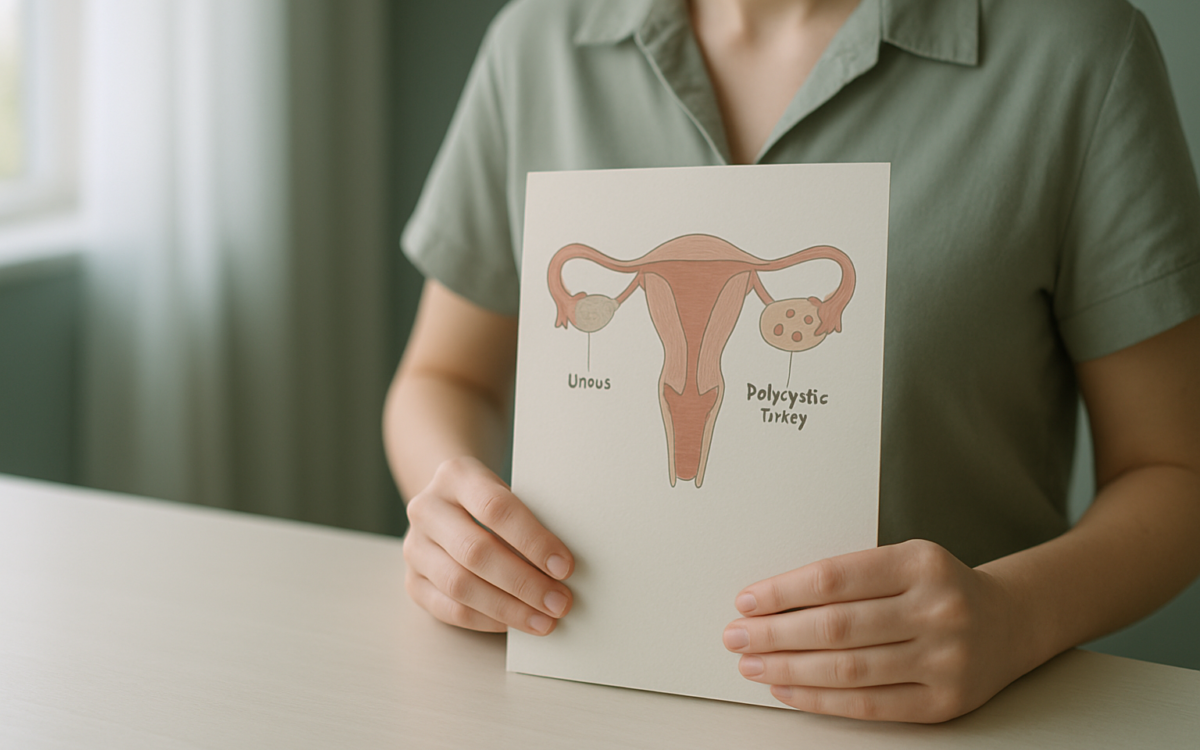
Polycystic Ovarian Syndrome is a hormonal disorder that can affect women of reproductive age. It is characterized by an imbalance in hormones, often leading to irregular menstrual cycles, excess body hair, acne, and weight gain. The term "polycystic" refers to the many cysts that may form on the ovaries; however, not all women with PCOS have these cysts.
The exact cause of PCOS is unknown, but it may involve a combination of genetic and environmental factors. Insulin resistance, in which the body’s cells become less responsive to insulin, is often seen in women with PCOS, and can lead to higher levels of insulin in the blood.
Common Symptoms of PCOS
Women with PCOS may experience a variety of symptoms, which can differ from one person to another. Some of the most notable signs include:
- Irregular Periods: Women may have fewer than eight periods a year, or may experience very heavy periods.
- Excess Hair Growth: Known as hirsutism, this involves increased hair on the face, chest, back, and other areas.
- Acne and Oily Skin: Hormonal imbalances can lead to skin issues, including persistent acne.
- Weight Gain: Many women with PCOS struggle with weight, which can worsen other symptoms.
- Thinning Hair: Some may experience thinning on the scalp.
It’s essential to remember that symptoms can manifest differently in each individual, and some women may not experience all symptoms.
Diagnosis of PCOS
Diagnosing PCOS can sometimes be challenging because its symptoms overlap with those of other medical conditions. If PCOS is suspected, healthcare providers may perform the following:
- Medical History Review: Discussing menstrual cycles, symptoms, and any family history of endocrine disorders.
- Physical Examination: A check-up might include weight measurement, hair growth patterns, and skin assessment.
- Blood Tests: Hormone levels can be evaluated to check for excess androgens (male hormones) and rule out other conditions, such as thyroid issues.
- Ultrasound: This imaging test can look for cysts on the ovaries and help visualize the reproductive organs.
For more information on the diagnostic processes, you can explore guidelines from the National Institutes of Health.
Managing Polycystic Ovarian Syndrome
While there is no cure for PCOS, several effective management options can help alleviate symptoms:
- Lifestyle Changes: A balanced diet and regular exercise can aid weight management and improve insulin sensitivity.
- Medications: Hormonal birth control can help regulate menstrual cycles, reduce symptoms of hirsutism and acne. Metformin is also prescribed to manage insulin levels.
- Fertility Treatments: For women trying to conceive, medications like clomiphene can stimulate ovulation.
- Emotional Support: Joining support groups or talking to a mental health professional can help address the emotional aspects of living with PCOS.
Regular check-ups with a healthcare provider can help track symptoms and make necessary adjustments to treatment plans.
The Emotional Impact of PCOS
Living with PCOS can take a toll not only physically but also emotionally. Women may experience feelings of inadequacy, anxiety, and depression because of the condition. Addressing mental health is vital when managing PCOS. Support groups and counseling can provide a safe space to share experiences and learn from each other.
Long-Term Health Risks
Women with PCOS are at a higher risk for several health concerns, including:
- Type 2 Diabetes: Due to insulin resistance, women with PCOS may have increased risks of developing type 2 diabetes.
- Heart Disease: Elevated cholesterol levels and high blood pressure can lead to heart disease later in life.
- Endometrial Cancer: Irregular menstrual cycles can increase the risk of endometrial hyperplasia, which may lead to cancer.
Regular medical check-ups and screenings can help monitor these risks and take preventive measures. Consult your healthcare provider for tailored advice.
When to See a Doctor
If you experience symptoms of PCOS, such as irregular periods, unexplained weight gain, or excessive hair growth, it is essential to consult a healthcare provider. Early diagnosis and management are crucial in minimizing the long-term effects of PCOS.
Conclusion
Polycystic Ovarian Syndrome is a multifaceted disorder that impacts many women. Understanding the symptoms, diagnosis, and management strategies can empower women to take charge of their health. Remember, you’re not alone, and support is available to navigate the complex landscape of PCOS.
