
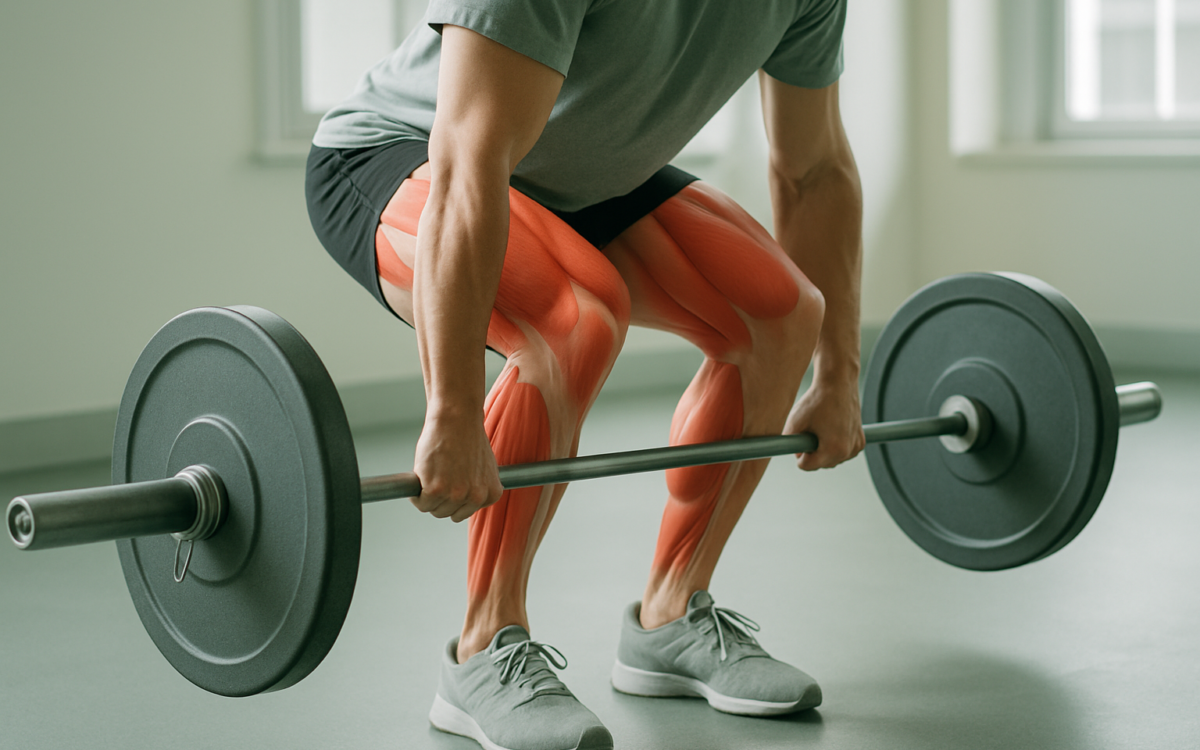
The deadlift is often hailed as one of the most effective strength-training exercises. Known for its ability to build overall body strength, it targets multiple muscle groups simultaneously. Understanding which muscles are worked during a deadlift can help you maximize your workout and achieve your fitness goals. Let’s dive into the essential muscles engaged in this powerful movement.
The major muscle groups involved in deadlifts
When you perform a deadlift, you engage a variety of muscles. This exercise primarily targets:
- Hamstrings: Located at the back of your thighs, these muscles play a crucial role in bending the knees and extending the hips.
- Quadriceps: The quadriceps, or quads, are the large muscles at the front of your thighs. They help extend the knees during the lift.
- Glutes: Your gluteus maximus, known as the glutes, are the primary muscles in your buttocks. They are vital for hip extension during the deadlift.
- Back muscles: The muscles of your lower back, particularly the erector spinae, work tirelessly to maintain proper posture and support your spine during the lift.
- Core muscles: A strong core is essential for stability in the deadlift. Your abdominals and obliques help stabilize the spine as you lift.
The deadlift technique
Proper technique is critical to maximizing the efficiency of the deadlift and minimizing the risk of injury. When done correctly, deadlifts can provide a full-body workout, as they engage many muscle groups. Here’s a breakdown of how to perform a standard deadlift:
- **Feet Position:** Stand with your feet about shoulder-width apart, with your toes slightly pointed outward.
- **Grip:** Bend at your hips and knees to grab the barbell with both hands, either in an overhand or mixed grip.
- **Back Position:** Keep your back straight, chest up, and shoulders back. This position helps protect the spine.
- **Lift:** Press through your heels to lift the barbell, extending your hips and knees at the same time. Keep the bar close to your body.
- **Finish Position:** Stand tall with your shoulders back and your chest up.
How deadlifts improve functional strength
Deadlifts are not just about building muscle; they also enhance functional strength. Functional strength is the strength that allows you to perform everyday activities more efficiently and safely. Here are some benefits of deadlift training:
- Improved posture: By strengthening the back and core, deadlifts can enhance your posture, making you stand taller and more confidently.
- Enhanced athletic performance: Many sports require strong legs and a powerful back. Deadlifting trains these areas effectively, contributing to better performance.
- Injury prevention: A well-rounded strength-training program, including deadlifts, can help protect you from injuries. Strong muscles are better equipped to handle physical stress.
Variations of the deadlift
While the conventional deadlift is popular, there are several variations that target different muscles and provide additional benefits:
- Sumo Deadlift: With a wider stance and hands inside the knees, this variation places more emphasis on the inner thighs and hips.
- Romanian Deadlift: This focuses more on the hamstrings and glutes while requiring less knee bend.
- Trap Bar Deadlift: Utilizing a hexagonal bar allows you to lift from a more neutral position, which can be easier on the back.
Common mistakes to avoid
When performing deadlifts, it’s important to be aware of common mistakes that could lead to injury or limit your progress. Here are a few to watch out for:
- Rounded back: Keeping your spine neutral is crucial. A rounded back can increase the risk of injury.
- Using too much weight: Lifting heavier weights than you can handle can compromise your form and lead to accidents.
- Not engaging your core: Failing to tighten your core can lead to instability, making you more prone to injury.
When to see a doctor
If you experience persistent pain or discomfort while performing deadlifts or any exercise, it’s important to consult a healthcare professional. Signs to watch for include:
- Severe pain that doesn’t improve with rest.
- Sudden weakness in your legs.
- Any numbness or tingling sensation.
Conclusion
Deadlifts are an excellent addition to any fitness routine as they engage multiple muscle groups and promote overall strength. Understanding the muscles worked during deadlifts can help you tailor your workouts more effectively. Always prioritize proper form and listen to your body, and if in doubt, consult a healthcare professional. The right approach to deadlifts can lead to impressive gains in strength, posture, and functional fitness.
