
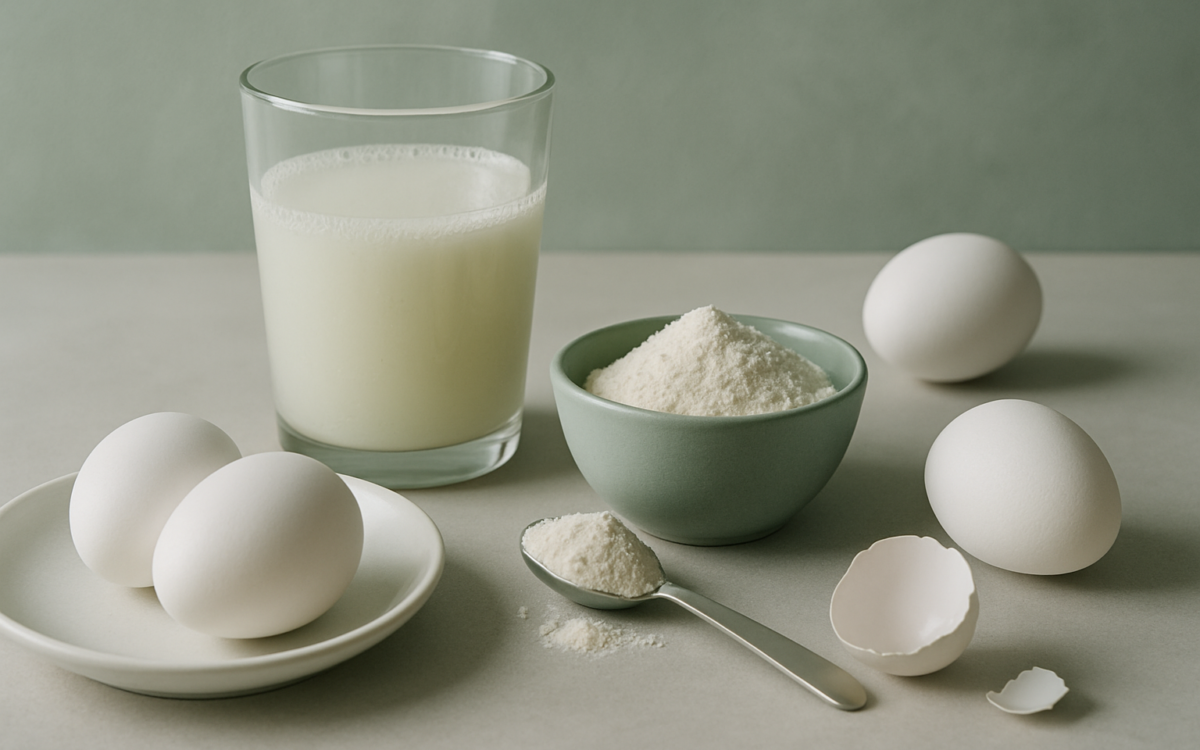
Eggs have long been a staple in kitchens around the world, but many people focus primarily on the yolk and overlook the benefits of egg white protein. This humble ingredient is more than just a cooking staple; it’s a powerful source of nutrition that can enhance your overall health. In this article, we will delve into the composition, benefits, and uses of egg white protein, helping you understand why it deserves a place in your diet.
What is egg white protein?
Egg white, also known as albumen, makes up about two-thirds of the egg’s total weight. Rich in protein and low in calories, egg whites provide a versatile and nutritious food option. Each large egg white contains about 3.6 grams of protein, making them an excellent source of high-quality protein. Unlike yolks, egg whites have virtually no fat and are low in carbohydrates, making them an appealing choice for many dietary plans.
The nutritional profile of egg white protein
Egg white protein is packed with essential amino acids that are vital for muscle repair and growth. These amino acids are the building blocks of protein and are crucial for bodily functions. Here’s a breakdown of the key nutritional components:
- High protein content: Egg whites contain roughly 90% water and 10% protein.
- Low in calories: One large egg white contains about 17 calories.
- Rich in vitamins and minerals: Egg whites are a source of important nutrients like potassium, magnesium, and riboflavin.
This impressive nutritional profile makes egg white protein an excellent choice for anyone looking to increase their protein intake without adding a lot of extra calories or fats.
Health benefits of egg white protein
Incorporating egg white protein into your diet can provide several health benefits, especially for those focused on weight management, fitness, or muscle health. Here are some key benefits:
1. Supports muscle growth and repair
The high-quality protein in egg whites is beneficial for athletes and those who engage in regular physical activity. Protein is essential for the repair and growth of muscle tissues, making egg white protein a fantastic post-workout snack.
2. Aids in weight loss
Egg white protein can be a valuable asset if you’re looking to lose weight. Being low in calories yet high in protein helps you feel fuller longer, reducing the urge to snack unnecessarily. Research suggests that protein-rich diets can help with weight loss by increasing satiety and burning more calories through digestion (source: NIH).
3. Supports heart health
Egg whites contain no cholesterol and are low in saturated fat, making them heart-healthy options compared to many other protein sources. Replacing higher-fat proteins with egg white protein may positively affect cholesterol levels and overall cardiovascular health.
4. Versatile in cooking
Egg whites can be enjoyed in various ways, from scrambled and poached to baked in recipes like meringues and protein pancakes. They can easily be integrated into savory dishes or smoothies, making them a practical choice for any meal.
5. An alternative for dietary restrictions
For those who are lactose intolerant or sensitive to dairy, egg whites offer a great non-dairy source of protein. This makes them suitable for various dietary preferences and restrictions. If you’re considering international treatments or dietary solutions, resources like acibademinternational.com can help guide you to effective programs tailored to your needs.
How to incorporate egg white protein in your diet
Adding egg white protein to your daily meal plan can be simple and enjoyable. Here are some delightful ways to incorporate it:
- Smoothies: Blend egg whites into your morning smoothie for an added protein boost.
- Scrambled or omelets: Whip up a quick and easy egg white scramble or add them to an omelet with your favorite vegetables.
- Baking: Use egg whites in recipes for protein-rich baked goods, like protein pancakes or muffins.
- Soups and sauces: Mix egg whites into soups or sauces to enhance the protein content without altering the flavor significantly.
Potential downsides of egg white protein
While egg white protein is highly nutritious, it’s essential to consider potential downsides:
1. Allergies
Some people may be allergic to egg proteins, including those found in egg whites. Symptoms can range from mild to severe, so it’s crucial to consult with a healthcare provider if you suspect an allergy.
2. Biotin deficiency
Egg whites contain avidin, a protein that binds to biotin (a B vitamin) and can lead to a deficiency if consumed in excessive amounts over time. Cooking egg whites helps to denature avidin, reducing its impact on biotin absorption.
3. Imbalance in nutrients
Relying solely on egg whites may omit other important nutrients found in yolks, such as vitamins A, D, E, and essential fatty acids. A balanced diet that includes both whites and yolks is generally recommended for optimal health.
When to see a doctor
If you experience adverse reactions after consuming egg whites, such as hives, difficulty breathing, or other severe symptoms, it’s essential to seek medical attention immediately. Additionally, consult with a healthcare professional if you have questions regarding your diet, especially if you’re considering significant changes or have underlying health conditions.
Egg white protein is a powerful, lean protein source that can contribute to a balanced diet and active lifestyle. Whether you’re after muscle growth, weight loss, or simply a healthy protein alternative, egg whites are a versatile ingredient worth adding to your culinary repertoire. By understanding their nutritional benefits and potential uses, you can make informed choices that support your health journey.
