
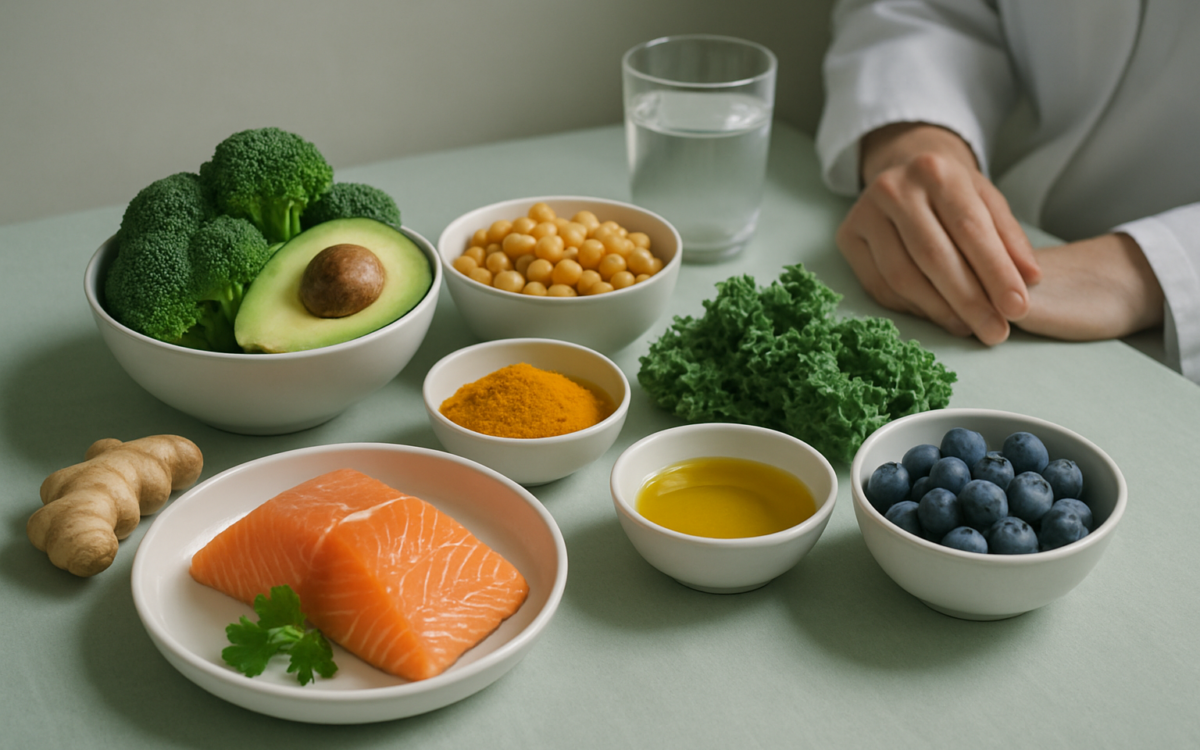
Chronic inflammation is a common concern that can lead to various health problems, including heart disease, diabetes, and certain cancers. However, the good news is that what we eat can play a significant role in managing inflammation. By fueling our bodies with the right foods, we can support our immune system and overall health. In this article, we’ll explore some of the best anti-inflammatory foods you can easily incorporate into your diet.
Understanding Inflammation
Before diving into specific foods, it’s helpful to understand what inflammation is. In simple terms, inflammation is the body’s natural response to injury or infection. When we cut ourselves or experience an illness, our immune system kicks in to heal the affected area, which may cause redness, swelling, and pain. While this acute type of inflammation lasts a short time and is beneficial, chronic inflammation can be damaging.
Powerful Anti-Inflammatory Foods
Here is a roundup of some delicious and nutritious foods known for their anti-inflammatory properties:
1. Fatty Fish
Fatty fish like salmon, mackerel, and sardines are packed with omega-3 fatty acids, which are known to reduce inflammation in the body. Omega-3s help decrease the production of inflammatory substances. A study published by the National Institutes of Health suggests that regular consumption of fatty fish may lower the risk of chronic diseases linked to inflammation (NIH).
2. Leafy Green Vegetables
Dark leafy greens such as spinach, kale, and Swiss chard are loaded with antioxidants and vitamins, particularly vitamins A, C, and K, which can help lower inflammation. These vegetables also contain phytochemicals that fight inflammatory markers in the body.
3. Berries
Berries such as strawberries, blueberries, and raspberries are rich in antioxidants, particularly anthocyanins, which have anti-inflammatory effects. Eating a variety of berries can provide a tasty way to reduce inflammation and improve your overall health.
4. Nuts and Seeds
Nuts, especially walnuts and almonds, are excellent sources of healthy fats, fiber, and protein. They contain omega-3 fatty acids and other bioactive compounds that contribute to lower inflammation levels. Incorporating a handful of nuts into your daily diet is a simple and healthy choice.
5. Olive Oil
Extra virgin olive oil is another powerful anti-inflammatory food, often emphasized in the Mediterranean diet. Rich in oleocanthal, an antioxidant with similar effects to ibuprofen, olive oil helps reduce inflammation in the body.
Spices That Fight Inflammation
Many spices can enhance the flavor of your meals while providing significant anti-inflammatory benefits:
- Turmeric: Contains curcumin, a compound that has strong anti-inflammatory effects.
- Ginger: Known for its ability to soothe nausea, ginger can also help reduce inflammation.
- Cinnamon: This common spice is not only tasty; it also has anti-inflammatory properties that lower blood sugar and prevent heart disease.
Global Perspectives on Anti-Inflammatory Foods
Incorporating various foods from different cultures can enrich your diet and help you fight inflammation effectively. For example, the Mediterranean diet, rich in fruits, vegetables, whole grains, fish, and healthy fats, is associated with reduced inflammatory markers. If you’re considering treatment options that incorporate dietary changes and might like to explore international perspectives on health, facilities like Acibadem International can provide insights into dietary practices worldwide.
When to See a Doctor
If you experience ongoing inflammation or related symptoms—such as joint pain, persistent fatigue, or digestive issues—it’s important to consult your healthcare provider. They can help identify underlying conditions and recommend appropriate interventions.
Conclusion
Incorporating anti-inflammatory foods into your diet is a proactive step toward better health. From fatty fish and leafy greens to spices and nuts, these foods not only taste great but also provide numerous health benefits. Consider making small changes to your meals to include these superfoods and enjoy a life with less inflammation!
