
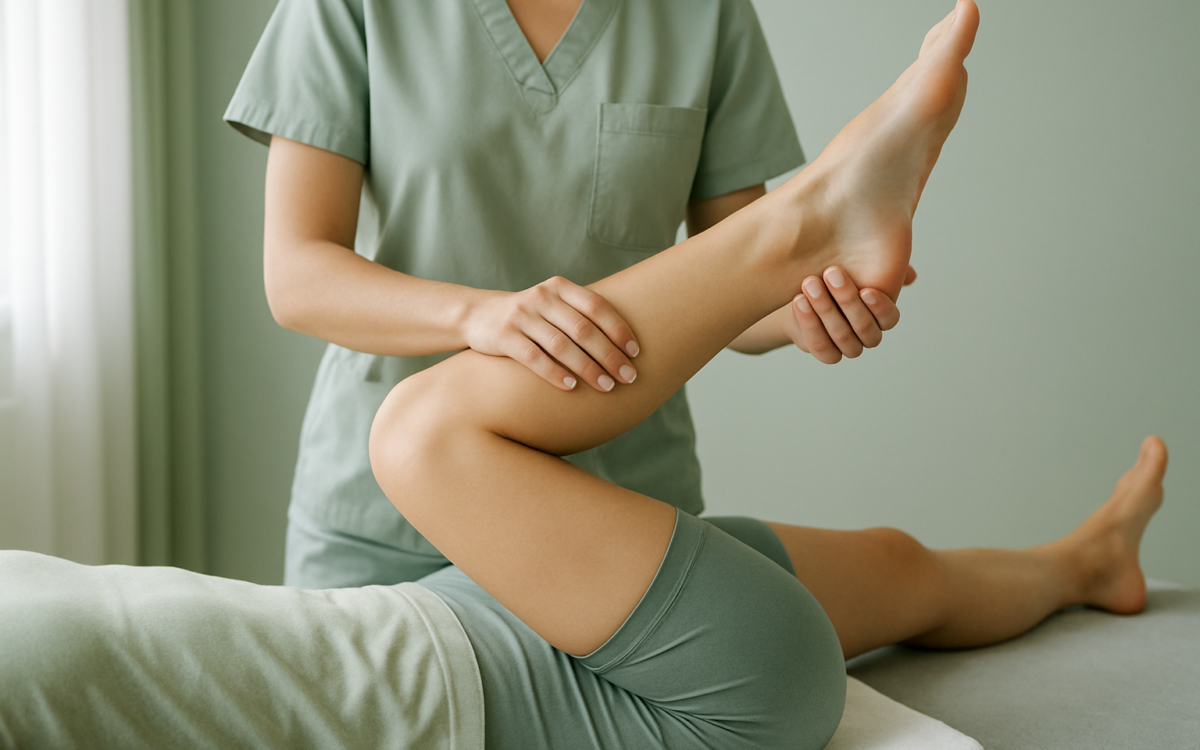
When it comes to staying active and maintaining a healthy lifestyle, flexibility often takes a backseat to strength and endurance. However, incorporating leg stretches into your routine can significantly enhance your overall performance, improve muscle health, and prevent injuries. Whether you’re an athlete, a casual walker, or someone with a desk job, leg stretches can unlock a range of benefits for all.
Why Leg Stretches Matter
Leg stretches are pivotal for maintaining optimal muscle function and joint health. They help to improve blood circulation, which can lead to better oxygen supply for muscle recovery and performance. Regular stretching is essential for avoiding tightness in the muscles, especially if you lead a sedentary lifestyle or engage in repetitive activities.
Stretching can also enhance athletic performance. As muscles become more flexible, they can respond better to the demands of various activities, from running to weightlifting. Furthermore, it helps with posture and can alleviate stress, making it a vital part of physical and mental well-being.
Types of Leg Stretches
There are two main types of stretches: static and dynamic. Understanding their differences can help you incorporate them effectively into your routine.
Static Stretches
Static stretches are performed by holding a position for a set amount of time. They are best done after exercise to aid recovery and improve flexibility. Here are a few effective static leg stretches:
- Hamstring Stretch: Sit on the ground with one leg extended and another folded. Reach for the toes of your extended leg and hold for 15-30 seconds.
- Quadriceps Stretch: Stand on one leg, bending the opposite knee. Pull your ankle towards your glutes and hold for 15-30 seconds.
- Cobra Stretch: Lie face down and, using your arms, push your torso up while keeping your hips on the ground. This also stretches the thighs.
Dynamic Stretches
Dynamic stretches are characterized by movement and are best to perform before workout sessions to warm up the muscles. Some effective dynamic leg stretches include:
- Lunges: Step forward into a lunge, alternating legs, to stretch the hip flexors and quadriceps.
- Leg Swings: Stand next to a wall for support and swing one leg forward and backward, switching legs after 10 swings.
- Knee Hugs: Stand tall and pull one knee to your chest while balancing on the other leg, alternating sides.
How to Safely Stretch Your Legs
To receive the maximum benefits from leg stretches, it’s essential to practice them safely. Here are some tips to help you stretch properly:
- Warm Up First: Always begin with a light warm-up to get your blood flowing. This can be a brisk walk or a few minutes of light jogging.
- Listen to Your Body: Stretch until you feel tightness but not pain. If something feels off, ease off the stretch.
- Maintain Breathing: Breathe deeply during your stretches, focusing on relaxing your muscles.
- Don’t Rush: Hold each stretch for at least 15 seconds, ensuring you give your muscles enough time to adapt.
Benefits of Regular Leg Stretching
Regular leg stretching comes with numerous health benefits:
- Increased Flexibility: Enhanced flexibility can lead to better overall movement and function in both daily life and sports.
- Reduced Muscle Soreness: Stretching can help alleviate post-workout soreness, allowing for faster recovery.
- Lower Risk of Injuries: Regular stretching can help prevent strains and tears by keeping muscles longer and more supple.
- Improved Posture: Flexibility contributes to better alignment of your body, which helps support good posture.
When to See a Doctor
If you experience persistent pain while stretching, swelling, or have difficulty moving your legs, it’s important to consult a healthcare professional. These symptoms could signal an underlying condition that needs to be addressed. You should also reach out to a doctor if you have had a recent injury and are unsure about the appropriate rehabilitation strategy.
Conclusion
Incorporating leg stretches into your daily routine is a simple yet effective way to enhance your body’s flexibility and health. Whether you’re looking to improve athletic performance, relieve tension, or reduce injury risk, taking the time to stretch those legs will benefit you in the long run. Remember to listen to your body, stretch safely, and consult a healthcare provider whenever you have questions about your health.
