
High blood pressure, also known as hypertension, is often called a silent killer. Many people may not realize they have it until they face serious health issues. Among various stages of hypertension, stage 1 hypertension has become a common concern. Understanding what it means, how to recognize it, and ways to manage it can significantly impact your overall health.
What is Stage 1 Hypertension?
Stage 1 hypertension is defined by the American Heart Association as having a blood pressure reading between 130/80 mm Hg and 139/89 mm Hg. Blood pressure readings are a measure of how hard your heart is working to pump blood throughout your body. A consistent elevation in these numbers can increase your risk for heart disease, stroke, and kidney problems.
Causes of Stage 1 Hypertension
Several factors contribute to developing stage 1 hypertension, including:
- Unhealthy Diet: A diet high in salt, processed foods, and sugars may contribute to increased blood pressure.
- Physical Inactivity: Lack of exercise can lead to weight gain, a known risk factor for hypertension.
- Obesity: Excess body weight can increase blood pressure by raising your body’s demand for oxygen and nutrients.
- Smoking and Alcohol: These substances can lead to an increase in blood pressure immediately after consumption.
- Genetics: If hypertension runs in your family, you may be more likely to develop it yourself.
Symptoms to Look Out For
Stage 1 hypertension often goes unnoticed. Many people do not experience any symptoms until their blood pressure reaches a more severe level. However, some may notice:
- Headaches
- Dizziness or lightheadedness
- Blurred vision
- Shortness of breath
Diagnostic Methods
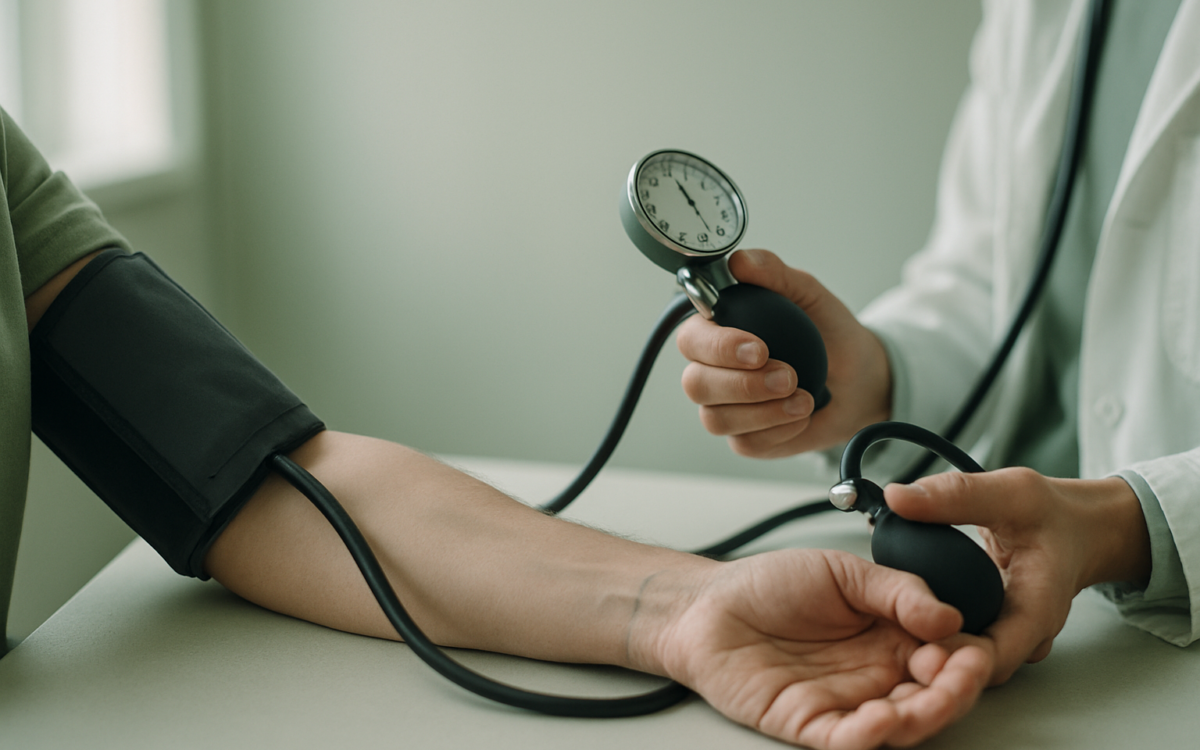
The primary method for diagnosing stage 1 hypertension is through regular blood pressure measurements. These measurements are typically taken using a sphygmomanometer, which consists of an inflatable cuff and a pressure gauge. It’s crucial to have your blood pressure checked regularly, especially if you have risk factors or a family history of hypertension.
Managing Stage 1 Hypertension
Managing stage 1 hypertension often involves making lifestyle changes. Here are some steps you can take:
- Healthy Diet: Eating a balanced diet rich in fruits, vegetables, whole grains, and lean proteins can help lower blood pressure. Consider the DASH (Dietary Approaches to Stop Hypertension) diet, which emphasizes foods that are low in salt and rich in nutrients.
- Regular Exercise: Engaging in physical activity for at least 150 minutes per week can significantly improve cardiovascular health.
- Weight Management: Losing even a small amount of weight can help reduce your blood pressure.
- Reduced Stress: Practices such as meditation, yoga, and deep-breathing exercises can help manage stress levels, which might aid in lowering blood pressure.
In some cases, medication may be necessary, particularly if lifestyle changes aren’t effective enough. If you are considering international treatment options, institutions like international patient services can provide information on healthcare facilities that can assist with hypertension management.
When to See a Doctor
If you consistently record blood pressure readings in the stage 1 hypertension range or are experiencing symptoms, it’s important to consult a healthcare provider. Regular check-ups can help you monitor your blood pressure and evaluate any necessary changes to your lifestyle or medication.
Conclusion
Stage 1 hypertension is manageable with lifestyle adjustments and medical oversight. By understanding what it is and how to manage it, you can take significant steps toward maintaining your heart health and overall well-being. Remember, regular monitoring and open communication with your doctor are key components of successful hypertension management.
