
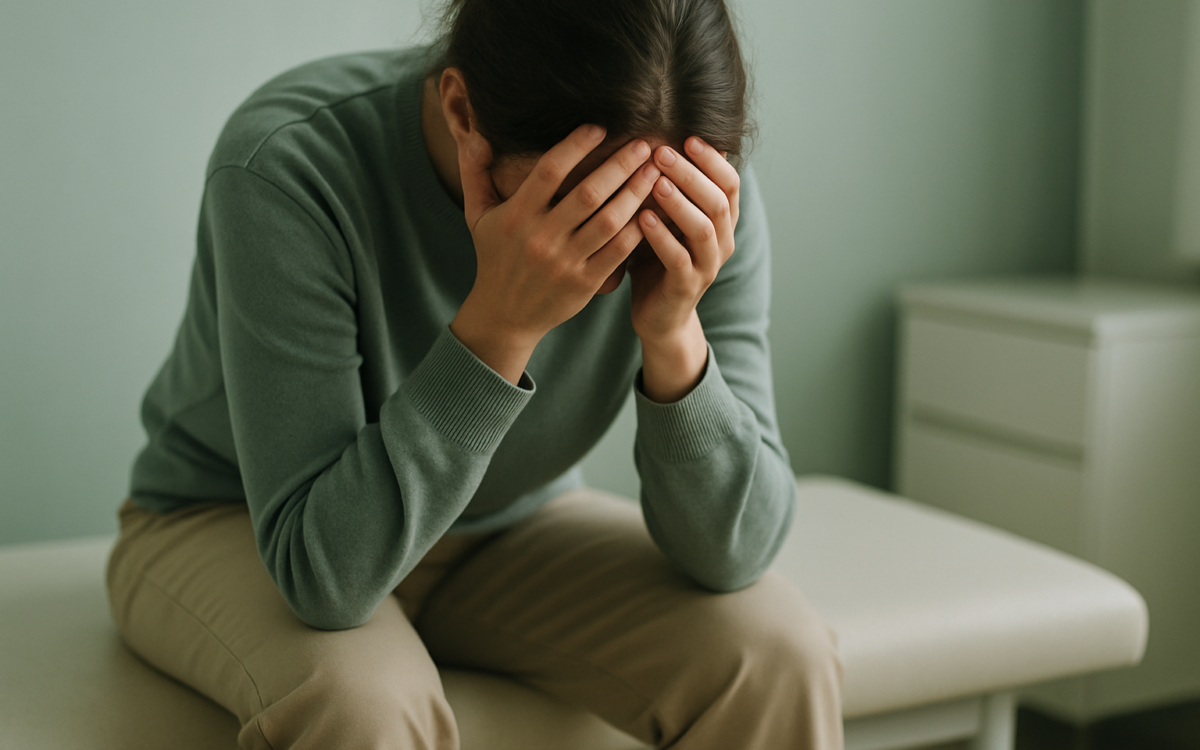
Anxiety is a common emotion that everyone experiences from time to time, but when that anxiety becomes overwhelming, it can develop into a condition known as anxious disease. This term refers to how anxiety is not just a mental issue; it can significantly impact physical health and overall well-being. Understanding this connection is crucial for managing anxiety effectively and improving quality of life.
What is anxious disease?
Anxious disease isn’t a formal diagnosis; rather, it describes the way chronic anxiety can manifest in both mental and physical health problems. Anxiety disorders are the most common mental health issues in the United States, affecting millions every year (https://www.nimh.nih.gov/health/statistics/any-anxiety-disorder). When anxiety is persistent, it can lead to a range of symptoms that not only affect mood and behavior but also disrupt daily functioning and contribute to physical ailments.
Symptoms of anxiety disorders
Anxiety symptoms can vary widely among individuals. However, here are some common signs to watch for:
- Constant worry or fear
- Restlessness or feeling on edge
- Trouble concentrating or finding that your mind goes blank
- Physical symptoms such as fatigue, headaches, or muscle tension
- Changes in sleep patterns or appetite
- Social withdrawal or avoidance of certain situations
Recognizing these symptoms is the first step toward understanding anxious disease and seeking help if needed.
The physical toll of anxiety
Chronic anxiety doesn’t just live in your mind; it can significantly affect your body. Research indicates that anxiety can lead to serious health issues, such as:
- Heart Problems: Ongoing anxiety can increase heart rate and blood pressure, leading to higher risks of heart disease.
- Respiratory Issues: Anxiety can cause shortness of breath or rapid breathing, which may worsen conditions like asthma.
- Digestive Disorders: Conditions like Irritable Bowel Syndrome (IBS) often have links to anxiety. Stress can cause symptoms like bloating and cramping.
- Weakened Immune System: Chronic stress from anxiety can impair the immune response, making one more susceptible to infections.
Understanding these physical symptoms is vital. They highlight how intertwined mental and physical health truly are.
Managing anxiety for better health
Managing anxiety effectively can help mitigate its negative impacts on physical health. Here are some practical strategies:
1. Regular physical activity
Exercise is a powerful tool for relieving anxiety. Activities like walking, jogging, or yoga can boost mood and improve physical health. Aim for at least 30 minutes of moderate exercise most days of the week.
2. Mindfulness and meditation
Practicing mindfulness or meditation can help calm an anxious mind. These techniques encourage focus on the present, reducing anxious thoughts. It might be helpful to start with just a few minutes each day.
3. Healthy eating
A balanced diet plays a crucial role in mental health. Nutrient-rich foods can uplift mood and improve overall health. Limit caffeine and sugar, as they can increase anxiety levels.
4. Building a support network
Talking to friends, family, or support groups can help manage anxiety. Sharing your feelings can provide relief and connection, reminding you that you are not alone.
5. Seeking professional help
If anxiety becomes overwhelming, consulting with a mental health professional is essential. They can provide treatment options, including therapy and medication, tailored to individual needs.
When to see a doctor
If you notice that your anxiety is interfering with daily life, relationships, or physical health, it may be time to seek medical advice. Look for signs such as:
- Inability to control worrying
- Extreme avoidance behaviors
- Physical symptoms like rapid heartbeat or panic attacks
- Long-lasting feelings of sadness or hopelessness
A healthcare professional can provide a proper assessment and help you find the right support.
Conclusion
Anxious disease illustrates the profound relationship between anxiety and overall health. By understanding the symptoms and effects of anxiety, and by adopting effective coping strategies, you can improve both your mental and physical well-being. Remember, seeking help is a sign of strength, and taking steps toward managing anxiety can pave the way for a healthier and happier life.
