
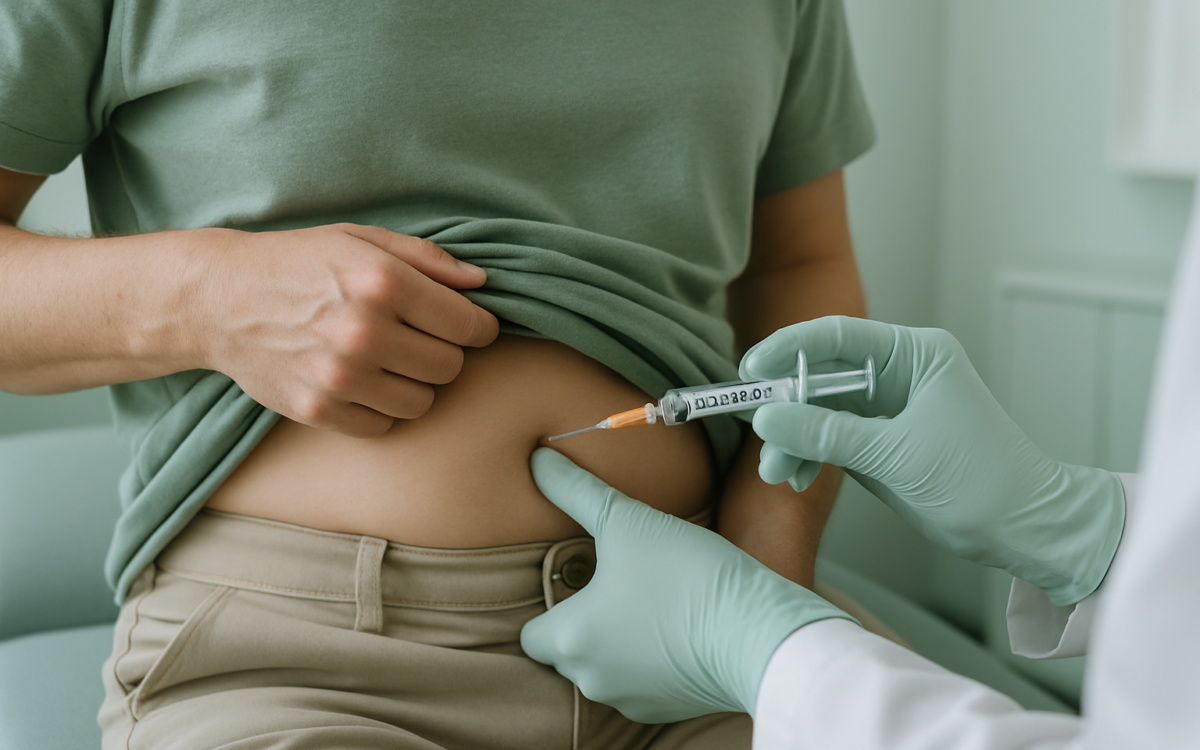
Opioid addiction is a growing concern in today’s world, affecting millions of individuals and their families. For many struggling with this serious issue, finding the right treatment can feel overwhelming. One emerging option is the Sublocade shot, a long-acting medication designed to aid in the recovery from opioid use disorder. In this article, we’ll explore what Sublocade is, how it works, its benefits, possible side effects, and more.
What is Sublocade?
Sublocade is a brand name for buprenorphine, a medication that falls under the category of opioids but acts differently than many prescription painkillers or illicit opioids. It is a medication-assisted treatment (MAT) specifically used for those dealing with opioid addiction. Sublocade is administered as an injection once a month and is designed to help stabilize brain chemistry in people recovering from heroin or prescription opioid addiction.
How Does the Sublocade Shot Work?
The Sublocade shot works by slowly releasing buprenorphine into the bloodstream over a period of 30 days. Buprenorphine itself binds to the same receptors in the brain as other opioids, which helps reduce cravings and withdrawal symptoms. However, it does so with a “ceiling effect,” meaning that at higher doses, it doesn’t produce the same level of euphoria or sedation as other opioids. This unique property helps minimize the risk of misuse and overdose.
Benefits of Choosing Sublocade
There are several reasons why health professionals may recommend Sublocade:
- Long-lasting relief: The monthly injection means patients do not have to remember to take daily medication, which can simplify adherence to treatment.
- Controlled dosages: Patients receive a steady dose of medication, which can help avoid the ups and downs associated with oral medications.
- Reduced cravings: By stabilizing brain receptors, Sublocade can significantly reduce cravings for opioids, aiding in the recovery process.
- Less potential for misuse: The way Sublocade works helps mitigate the risk of abuse typically associated with more traditional opioids.
Potential Side Effects of Sublocade
Like any medication, Sublocade isn’t without its side effects. Common side effects include:
- Nausea
- Constipation
- Headache
- Fatigue
- Injection site reactions
While serious side effects are rare, they can include respiratory problems and severe allergic reactions. It’s crucial for anyone considering Sublocade to discuss these potential risks with their healthcare provider.
Sublocade in the Global Context
Available in various healthcare settings, Sublocade may not be accessible to everyone, depending on regional regulations and healthcare systems. For those seeking treatment abroad, international clinics may offer services surrounding Sublocade and other MAT options. For more insights into treatments available globally, you might find acibademinternational.com a valuable resource.
Frequently Asked Questions
Who is a good candidate for Sublocade?
Individuals diagnosed with opioid use disorder and previously stabilized on buprenorphine/naloxone may be good candidates for Sublocade. A healthcare provider can assess individual circumstances to determine appropriateness.
How long does treatment last?
The length of treatment with Sublocade varies and is tailored to individual needs. Many may remain on it for months or even years, depending on their recovery progress.
Is Sublocade insurance covered?
Many insurance plans do cover Sublocade, but coverage can vary greatly. It is advisable for patients to check with their insurance provider for specific details.
When to See a Doctor
If you or someone you know is struggling with opioid addiction, it is essential to reach out to a healthcare professional. Additionally, if you experience severe side effects, such as difficulty breathing or a rash after receiving Sublocade, seek medical attention immediately.
Conclusion
The Sublocade shot represents a promising advancement in the field of addiction treatment. With its unique approach to opioid recovery, many people may find the help they need to reclaim their lives and move toward a healthier future. As always, discussions with healthcare providers are crucial to determine the best path forward in any treatment journey.
