
Hypertension, more commonly known as high blood pressure, is a condition that affects millions of people worldwide. While it may not always cause noticeable symptoms, the implications of untreated hypertension can lead to serious health concerns. In this article, we’ll explore the meaning of hypertension, its causes, effects, and how you can take charge of your health.
What is Hypertension?
Hypertension refers to consistently elevated blood pressure levels in the arteries. Blood pressure is measured in millimeters of mercury (mmHg) and is recorded with two readings: systolic and diastolic. The systolic pressure, the first number, indicates the pressure during a heartbeat, while the diastolic pressure, the second number, shows the pressure between beats.
According to the Centers for Disease Control and Prevention (CDC), normal blood pressure is typically around 120/80 mmHg. Hypertension is diagnosed when blood pressure readings are consistently at or above 130/80 mmHg. This condition can be classified into two main types: primary (essential) hypertension, which develops gradually over years, and secondary hypertension, which is often caused by an underlying health issue.
Causes of Hypertension
Understanding the causes of hypertension is crucial for prevention and management. Multiple factors can contribute to high blood pressure, including:
- Genetics: A family history of hypertension increases your risk.
- Lifestyle Factors: Unhealthy habits such as a high-salt diet, obesity, physical inactivity, and excessive alcohol consumption can elevate blood pressure.
- Age: Blood pressure tends to rise as you age, making older adults more susceptible.
- Chronic Conditions: Conditions like diabetes, kidney disease, and hormonal disorders can contribute to secondary hypertension.
Impact of Hypertension on Health
Hypertension is often dubbed the “silent killer” because it frequently does not produce noticeable symptoms until it has caused significant damage to the body. Over time, high blood pressure can lead to severe health complications, including:
- Heart Disease: Hypertension increases the risk of heart attack and heart failure.
- Stroke: High blood pressure can lead to blood clots, contributing to strokes.
- Kidney Damage: It can harm blood vessels in the kidneys, leading to decreased function.
- Vision Loss: Hypertension can damage the blood vessels in the eyes, potentially resulting in vision impairment.
Monitoring Blood Pressure
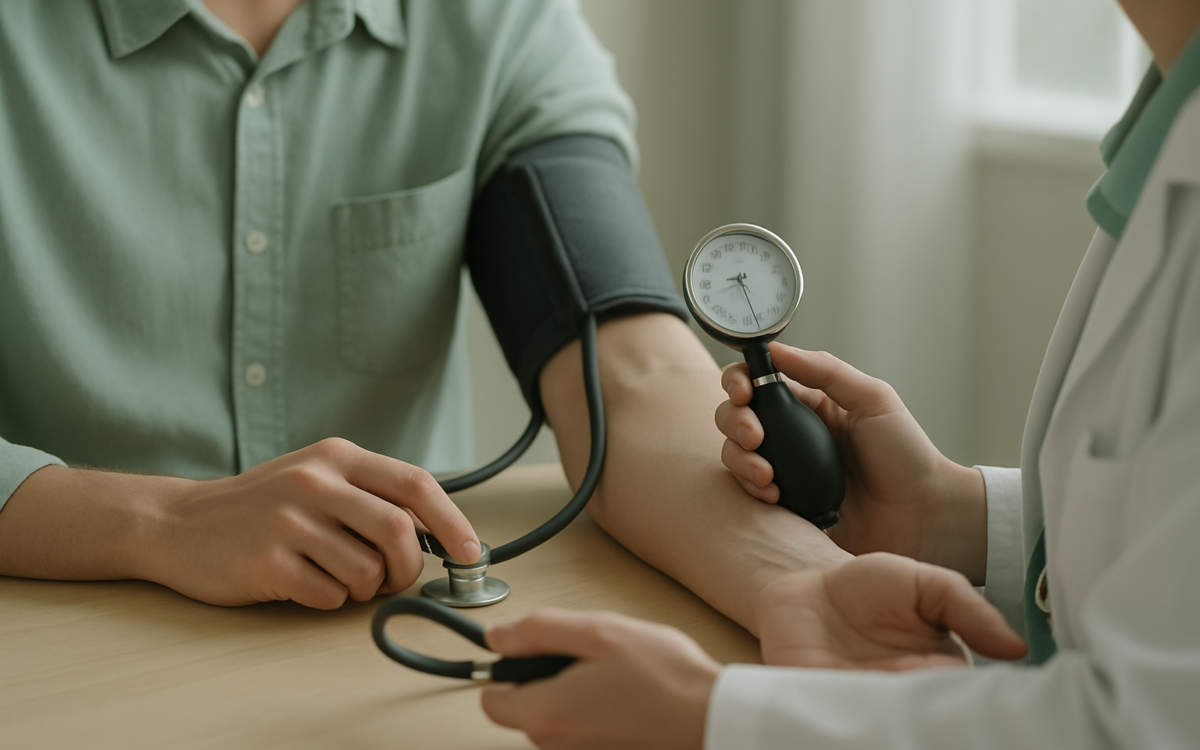
Regular monitoring of blood pressure is essential, especially for those at higher risk of hypertension. This can be done through:
- Home Blood Pressure Monitors: These devices provide an easy way to track blood pressure regularly.
- Regular Check-ups: Visiting a healthcare provider for routine check-ups can help catch any concerns early.
The World Health Organization (WHO) emphasizes the importance of awareness and screening in managing hypertension effectively.
Managing High Blood Pressure
If you or a loved one is diagnosed with hypertension, several lifestyle changes can help manage and potentially lower blood pressure levels:
- Healthy Diet: Focus on a balanced diet rich in fruits, vegetables, whole grains, and lean proteins while reducing salt intake.
- Regular Exercise: Aim for at least 150 minutes of moderate aerobic activity each week.
- Weight Management: Maintaining a healthy weight can significantly impact blood pressure.
- Avoiding Tobacco and Limiting Alcohol: Reducing or eliminating these can positively affect heart health.
- Stress Management: Finding effective ways to manage stress, such as meditation or yoga, can also be beneficial.
When to See a Doctor
If you suspect that you have high blood pressure or if you experience symptoms like severe headaches, shortness of breath, or nosebleeds, it’s important to consult a healthcare provider. Regular check-ups are crucial for monitoring blood pressure, especially if you have risk factors associated with hypertension.
Conclusion
Understanding the meaning of hypertension and its potential impact on health is the first step towards effective management. By incorporating healthy lifestyle changes and keeping an eye on your blood pressure, you can take proactive steps to protect your heart and overall well-being. Remember, always consult your doctor for personalized advice and treatment options.
