
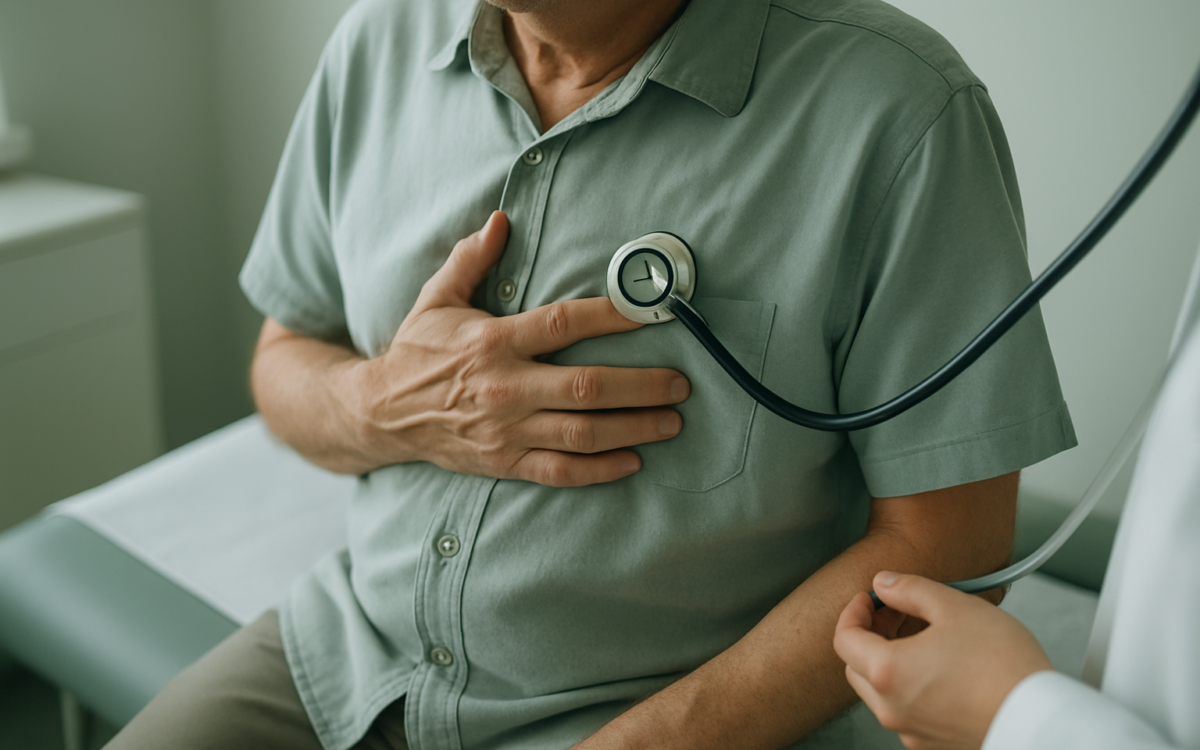
Hypertensive heart disease may not be a term you hear often, but it’s a serious condition that affects millions of people worldwide. This condition arises due to prolonged high blood pressure, which can lead to various heart problems. Understanding hypertensive heart disease is essential for your overall heart health, especially since it often goes unnoticed until more severe symptoms develop. Let’s take a closer look at what this condition entails, its causes, symptoms, and ways to manage it.
What is Hypertensive Heart Disease?
Hypertensive heart disease describes various heart conditions caused by high blood pressure, also known as hypertension. When blood vessels are under constant pressure, they can become damaged, affecting their ability to function properly. Over time, hypertension can lead to the following conditions:
- Heart failure: The heart struggles to pump blood effectively.
- Coronary artery disease: Narrowing of the arteries can restrict blood flow to the heart.
- Left ventricular hypertrophy: The heart’s main pumping chamber becomes enlarged due to increased pressure.
These changes can greatly increase the risk of heart attacks and strokes. The National Heart, Lung, and Blood Institute provides further insights on how hypertension affects heart function.
Causes and Risk Factors
Hypertensive heart disease is primarily caused by uncontrolled high blood pressure. High blood pressure can result from various factors, including:
- Genetics: A family history of hypertension or heart disease increases your risk.
- Poor diet: A diet high in salt, sugar, and unhealthy fats can contribute to high blood pressure.
- Lack of physical activity: Inactivity can lead to weight gain and increased blood pressure.
- Obesity: Excess weight places additional strain on the heart.
- Excessive alcohol use: Drinking too much can raise blood pressure levels.
- Stress: Chronic stress can contribute to high blood pressure.
Even temporary spikes in blood pressure can lead to long-term damage if they occur frequently. The World Health Organization notes that healthy lifestyle choices can help prevent hypertension and its complications.
Recognizing Symptoms
The symptoms of hypertensive heart disease often develop slowly and may be mistaken for other health issues. Some common signs include:
- Shortness of breath during physical activity
- Chest pain or pressure
- Fatigue, especially during exercise
- Pounding in the chest, neck, or ears
- Swelling in the legs or feet
Unfortunately, some people with high blood pressure may experience no symptoms at all, making regular health check-ups crucial for early detection.
Diagnosis of Hypertensive Heart Disease
If you suspect you have hypertensive heart disease, your doctor will likely perform several tests to assess your heart health, including:
- Blood pressure measurements: Monitoring pressure at various times to see if it remains high.
- Echocardiogram: A sound wave test to observe heart structure and functioning.
- Electrocardiogram (ECG): A test to measure the electrical activity of the heart.
- Blood tests: To check for conditions that may contribute to heart disease.
Understanding these tests can help you better prepare for discussions with your healthcare provider.
Prevention and Management
While hypertensive heart disease can be serious, there are many strategies to prevent and manage this condition effectively:
- Maintain a healthy weight: Aim for a balanced diet and regular exercise.
- Eat a heart-healthy diet: Focus on fruits, vegetables, whole grains, and lean proteins while limiting salt and sugar.
- Avoid tobacco: Quitting smoking can significantly lower your risk of heart disease.
- Limit alcohol intake: Stick to moderate drinking guidelines.
- Manage stress: Techniques such as yoga, meditation, or even spending time in nature can help.
- Regular check-ups: Schedule routine visits with your healthcare provider to monitor blood pressure and heart health.
Medications might also be necessary for those diagnosed with hypertensive heart disease. Always consult with your healthcare provider about the best treatment options for you.
When to See a Doctor
If you experience symptoms such as chest pain, severe shortness of breath, or swelling in your legs, seek immediate medical attention. Regular check-ups are also essential if you have a history of high blood pressure or heart disease.
Conclusion
Hypertensive heart disease is a significant health concern that can lead to severe complications if left unchecked. By understanding its causes, recognizing symptoms, and adopting heart-healthy habits, you can take proactive steps toward protecting your heart. Always discuss any health concerns with your doctor, and prioritize regular health checks to stay aware of your blood pressure and heart health.
