
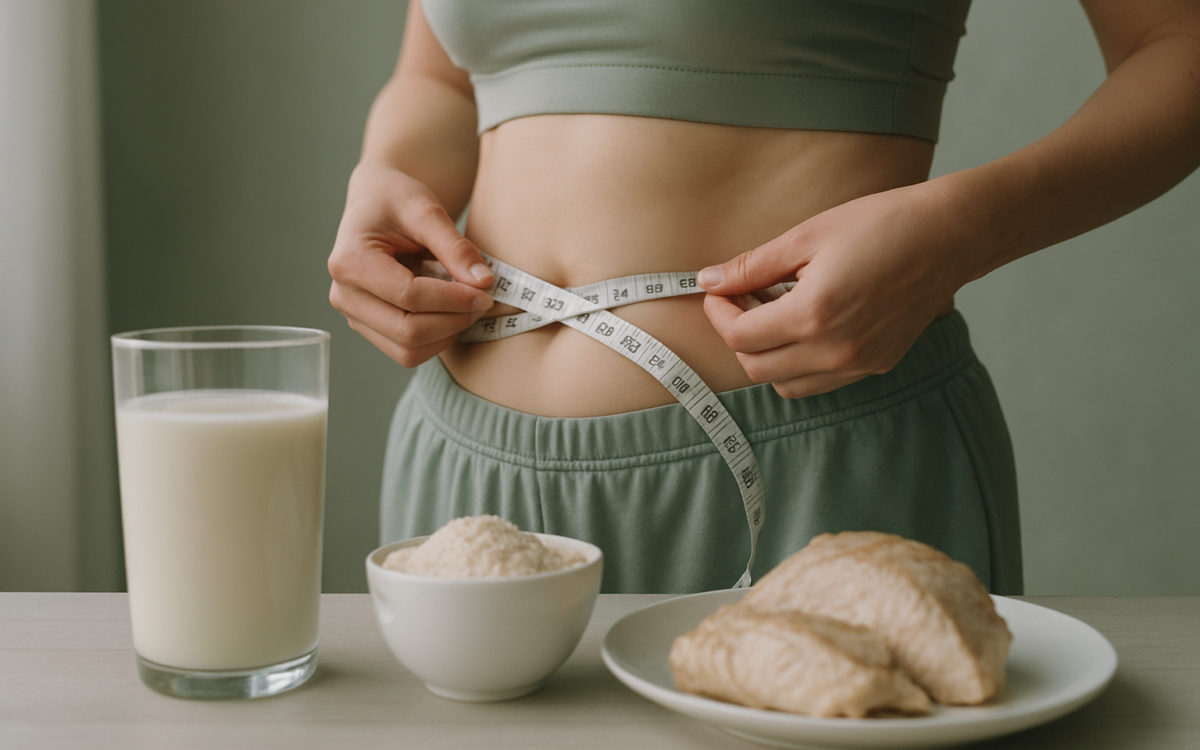
Protein is often celebrated as an essential nutrient for building and repairing tissues in our bodies, and it plays a vital role in making enzymes and hormones. However, amid the buzz around diets and fitness, many people wonder if consuming too much protein can lead to weight gain. Let’s unpack this topic to get a clearer understanding of the impact of protein on our weight and overall health.
Understanding Protein and Its Role in Our Body
Protein is a macronutrient alongside carbohydrates and fats, and it’s made up of amino acids, which are the building blocks of our tissues. Your body uses protein for various functions, including:
- Building and repairing muscles
- Producing enzymes and hormones
- Supporting immune function
- Providing structure to cells
Because protein is crucial for overall health and bodily function, it’s important to understand how it interacts with our weight and appetite.
Does Protein Lead to Weight Gain?
The simple answer is: not necessarily. Eating protein itself does not automatically cause weight gain. Weight gain occurs when you consume more calories than your body burns. Since protein is more filling than carbohydrates or fats, it can actually help with weight management.
When you eat protein-rich foods, you may feel fuller longer, which may lead you to consume fewer calories overall. According to a study published by the National Institutes of Health, higher protein diets can promote satiety and reduce overall calorie intake.
Protein and Satiety: A Closer Look
The feeling of fullness, or satiety, is significantly influenced by the type of food you eat. Eating a diet higher in protein can reduce hunger and curb cravings. This is because protein affects hormones that control appetite, such as ghrelin and peptide YY. When you eat enough protein, your body secretes these hormones, which signal to your brain that you’re full.
For instance, a study in the journal Nutrition Research found that participants who consumed higher amounts of protein reported less hunger after meals compared to those who consumed lower amounts. This can make it easier to maintain a healthy weight.
Quality of Protein Matters
Not all protein sources are created equal. Foods high in protein ranges from poultry, fish, and eggs to beans, nuts, and dairy products. The quality of the protein you eat can affect your overall health and weight management.
It’s important to choose lean sources of protein, such as:
- Skinless poultry
- Fish
- Legumes (beans, lentils)
- Nuts and seeds
- Dairy products (low-fat options)
These sources provide essential nutrients while limiting unhealthy fats, making it easier to manage your weight and enhance your overall health.
Tips for Including Protein in Your Diet
When incorporating protein into your diet, consider the following tips:
- Prioritize Balance: Aim for a balanced plate that includes protein, healthy fats, and complex carbohydrates.
- Mix It Up: Include a variety of protein sources to ensure you’re getting a range of nutrients.
- Monitor Portions: Be mindful of portion sizes. While protein is important, consuming excessive amounts can lead to unwanted calorie intake.
- Stay Hydrated: Drink plenty of water. Sometimes, our bodies confuse thirst for hunger.
Following these tips can help you reap the benefits of protein without risking weight gain.
When to See a Doctor
If you’re concerned about your weight or have specific dietary needs, it may be helpful to consult a healthcare professional. They can provide personalized advice based on your health history, lifestyle, and nutritional needs. Signs that you might need to seek help include:
- Unintended weight gain or loss
- Changes in appetite
- Difficulty managing your weight despite efforts
Conclusion
In summary, protein plays a key role in maintaining our health without necessarily leading to weight gain when consumed appropriately. It can aid in satiety and support muscle health, making it a valuable part of a balanced diet. However, as with all nutrients, moderation and quality are crucial. Understanding how protein fits into your diet can empower you to make better food choices for your health and well-being.
