
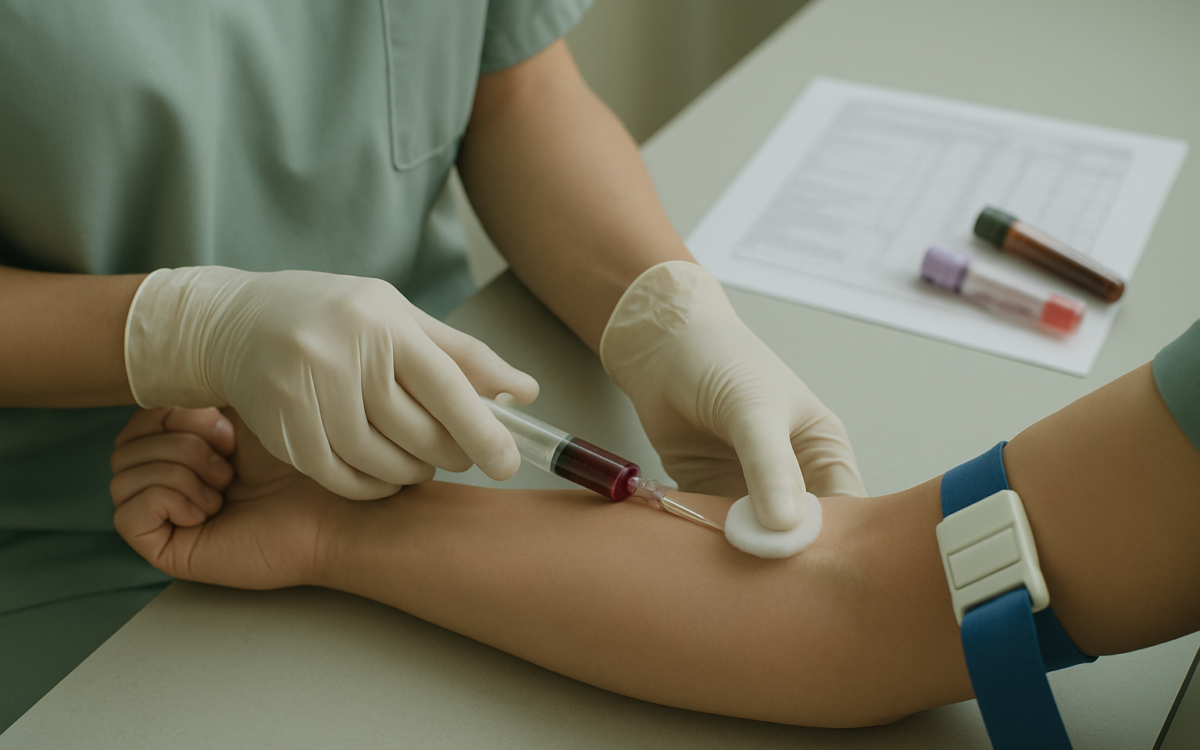
When it comes to cancer, early detection can make all the difference. Recent advances in medical science have led to a surge of interest in how blood tests can help identify various types of cancer. This exciting development raises questions about their effectiveness and how they fit into the broader landscape of cancer diagnosis.
Understanding the Role of Blood Tests
Blood tests have long been used for various medical purposes, from checking cholesterol levels to confirming infections. In recent years, researchers have been exploring their potential to detect cancer earlier. Cancer cells can release substances known as biomarkers into the bloodstream, which can sometimes indicate the presence of cancer.
What Are Cancer Biomarkers?
Cancer biomarkers are molecules found in blood or other body fluids that can signal the presence of cancer. These can include:
- Proteins: Some cancer cells produce proteins that healthy cells do not. For example, prostate-specific antigen (PSA) is a protein often elevated in men with prostate cancer.
- DNA fragments: Circulating tumor DNA (ctDNA) refers to small pieces of DNA shed by tumors into the bloodstream. Scientists are working on tests that can analyze these fragments to detect different types of cancer.
- Other substances: Various other substances such as hormones, enzymes, or metabolites can also serve as biomarkers.
Common Blood Tests for Cancer Screening
While no blood test can definitively diagnose cancer, several are used to help guide further testing:
- Complete Blood Count (CBC): This test measures different components of your blood, including red and white blood cells. Abnormal levels can suggest issues that might warrant further testing.
- Prostate-Specific Antigen (PSA): Men often undergo this test to screen for prostate cancer. Elevated levels may require additional evaluation.
- Alpha-fetoprotein (AFP): High levels of this protein may be associated with liver cancer and testicular cancer.
These tests may signal the need for further investigation, such as imaging tests or biopsies, but they cannot confirm a cancer diagnosis on their own.
Limitations of Blood Tests in Cancer Diagnosis
While blood tests can be helpful, they are not foolproof. There are several limitations to their use:
- False Positives: Elevated biomarker levels can occur for reasons other than cancer, such as infections or liver disease, leading to unnecessary stress and additional testing.
- False Negatives: Sometimes, cancer may not release detectable biomarkers, resulting in a missed diagnosis. Some cancers may not produce any identifiable biomarkers until they are at an advanced stage.
- Type-Specific Limitations: Not all cancers have established biomarkers. For example, blood tests for identifying pancreatic or brain cancers are less developed compared to others.
The Future of Blood Tests in Cancer Detection
Researchers are continuously working on developing more reliable blood tests for cancer detection. Advances in technology and our understanding of the human genome are expanding the possibilities. For instance, liquid biopsies that analyze ctDNA and other cancer-associated factors are gaining traction and show promise. Studies suggest these tests could detect cancer earlier and monitor treatment responses.
The National Institutes of Health (NIH) has noted that ongoing research into multi-cancer early detection tests (MCED) may change how cancers are diagnosed. These tests aim to identify multiple cancers through one blood sample, potentially revolutionizing cancer screening protocols for many individuals in the future (NIH).
Complementing Blood Tests with Other Diagnostic Tools
Blood tests work best when used alongside traditional diagnostic methods. Imaging tests like X-rays, CT scans, and MRIs are crucial for visualizing any growths that might indicate cancer. Additionally, biopsies remain the gold standard for confirming a cancer diagnosis. Doctors often use a combination of these methods to ensure the most accurate diagnosis and treatment plan.
When to See a Doctor
If you notice any unusual symptoms, such as unexpected weight loss, persistent fatigue, or unexplained pain, it’s essential to consult a healthcare professional. Early detection significantly boosts treatment effectiveness, making it crucial to address any health concerns without delay.
Conclusion
While blood tests cannot definitively diagnose cancer, they can serve as valuable tools in identifying potential health issues requiring further investigation. As research continues to evolve, the role of blood tests in cancer detection is likely to grow. Understanding the limitations and potentials of these tests can empower individuals to engage proactively with their health and advocate for appropriate screenings with their healthcare providers. Remember, open communication about your health is key to early detection and effective treatment.
