
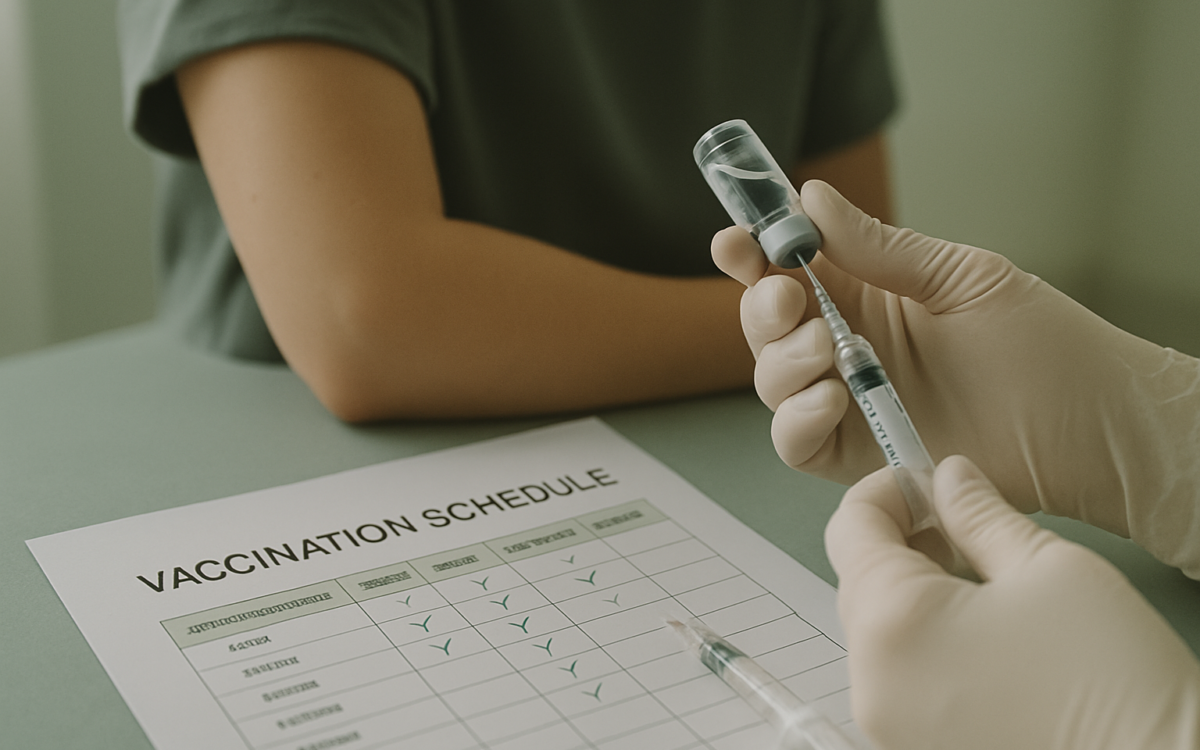
Vaccines play a vital role in protecting both individual and public health. They help prevent infectious diseases through vaccination, allowing our bodies to build immunity. Understanding your vaccination schedule is essential, as it differs by age, health status, and other factors. Let’s explore what a vaccination schedule entails, why it’s important, and how to keep track of your vaccinations.
What is a Vaccination Schedule?
A vaccination schedule is a structured plan that outlines the timing of vaccine doses. This schedule varies throughout a person’s life, beginning in infancy and continuing through adulthood. It includes information on the vaccines recommended for specific age groups and guidelines for how frequently to receive them.
The Importance of Vaccines
Vaccines play several crucial roles in health:
- Prevention of Diseases: Vaccination helps prevent serious infectious diseases such as measles, mumps, rubella, and whooping cough.
- Herd Immunity: When a large percentage of the population is vaccinated, it indirectly protects those who cannot be vaccinated, such as infants or individuals with weakened immune systems.
- Public Health: Widespread vaccination reduces the occurrence of outbreaks, ultimately leading to safer communities.
According to the CDC, vaccines are one of the most effective public health measures. Each year, they prevent numerous hospitalizations and deaths related to vaccine-preventable diseases.
Vaccination Schedule for Children
The vaccination schedule during childhood is critical for long-term health. Most vaccines are given during early childhood, as this is when children are most vulnerable to infections.
Here is a brief overview of the recommended vaccines for children:
- Birth: Hepatitis B – first dose
- 2 months: DTaP, Hib, IPV, PCV13, Hepatitis B, and RV
- 4 months: DTaP, Hib, IPV, PCV13, and RV
- 6 months: DTaP, Hib, IPV, Hepatitis B, and RV
- 12-15 months: MMR, Varicella, and PCV13
- 4-6 years: DTaP, IPV, MMR, and Varicella
For a complete list, parents and guardians should refer to the CDC’s childhood vaccination schedule.
Vaccination Schedule for Adolescents and Adults
As children grow, vaccination needs continue. Adolescents and adults also require specific vaccinations to maintain immunity and protect against certain diseases.
Some key vaccines include:
- 11-12 years: Tdap, HPV, Meningococcal conjugate
- 19-26 years: HPV (if not previously received)
- Flu vaccine: recommended annually for all individuals aged 6 months and older
- Shingles and Pneumococcal vaccines: recommended for older adults, often starting at age 50 and 65 respectively.
Staying informed about your vaccination status as an adult is crucial. Regular check-ups with your healthcare provider can help you determine if any booster shots or additional vaccines are necessary.
Travel Vaccination Considerations
Traveling abroad can expose you to various infectious diseases not commonly seen in your home country. For this reason, it’s essential to check your vaccination status before traveling.
The following vaccines are often recommended or required for international travel:
- Hepatitis A
- Typhoid
- Yellow fever
- Meningococcal vaccine (especially if traveling to certain regions)
You can find valuable guidance on travel vaccinations from organizations like the CDC.
Keeping Track of Your Vaccination Records
Staying organized about your vaccinations is essential for ensuring that you and your family are up to date. Here are some tips to keep track of vaccination records:
- Maintain a Personal Health Record: Keep a file of vaccination records and health information for each family member.
- Use Technology: Consider using apps or health software that allow you to store and access vaccination information easily.
- Consult Your Healthcare Provider: Regular trips to the doctor can help determine if you are up to date on vaccinations and if any are needed.
According to the Mayo Clinic, having easy access to vaccination records can also facilitate vaccinations in the future.
When to See a Doctor
If you have questions about your vaccination schedule, haven’t received certain vaccinations, or are due for booster shots, consult your healthcare provider. They can guide you on what vaccines you may need based on your age, health status, and lifestyle.
Conclusion
Understanding your vaccination schedule is an essential part of maintaining good health. Vaccinations are an effective way to protect yourself and community from various diseases. Be sure to stay informed about upcoming vaccines based on your age and travel plans. If in doubt, always reach out to your healthcare provider for advice tailored to your needs.
