
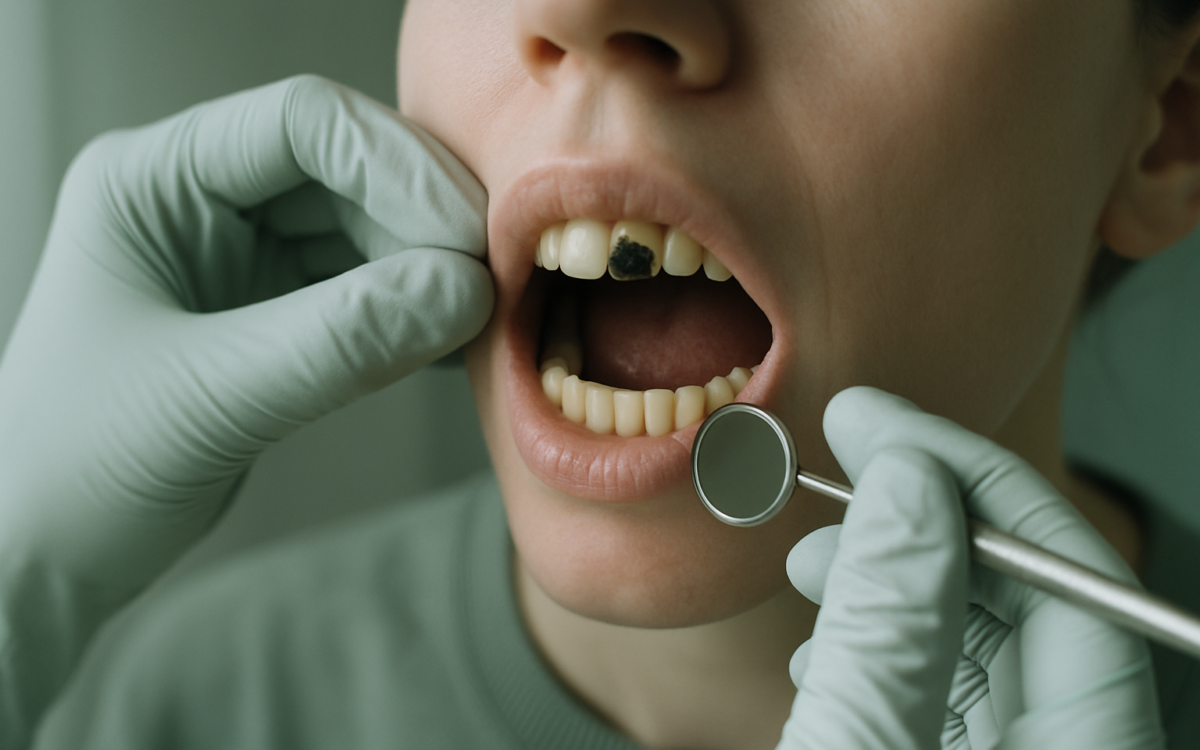
Have you ever heard of a “dead tooth”? It might sound alarming, but this dental condition is more common than you might think. A dead tooth, also known as a non-vital tooth, occurs when the tooth’s pulp becomes damaged or infected, leading to the death of the tooth’s nerve. Understanding the causes, symptoms, and treatment options can help you maintain your oral health and prevent further complications.
What Causes a Dead Tooth?
A dead tooth can arise from various factors, each contributing to the deterioration of the tooth’s pulp. Here are some of the most common causes:
- Severe Tooth Decay: When cavities are left untreated, bacteria can invade the dental pulp, leading to infections.
- Trauma: A sports injury, fall, or any other impact can cause damage to a tooth, even if there are no visible cracks.
- Dental Procedures: Sometimes, treatments like root canals may inadvertently create conditions for pulp death if not done correctly.
- Gum Disease: Advanced stages of gum disease can destroy the supporting structures of the tooth, affecting the pulp.
Recognizing the Symptoms of a Dead Tooth
Identifying a dead tooth can be tricky, especially in its early stages. Here are some symptoms that may indicate a tooth is no longer vital:
- Discoloration: A darkening of the tooth may be the first noticeable sign.
- Sensitivity: A dead tooth may cause spontaneous pain or prolonged sensitivity to hot or cold.
- Swelling: Gums may appear swollen or puffy around the affected tooth.
- Abscess Formation: In some cases, pus can build up, leading to an abscess in the gum.
The Importance of Timely Treatment
Addressing a dead tooth quickly is crucial to prevent further complications. Here’s why you should not wait:
- Preventing Infection: A dead tooth can lead to infections that may spread to surrounding teeth and even into the jawbone.
- Avoiding Pain: As time passes, the pain may intensify as the infection worsens.
- Maintaining Oral Health: Treating a non-vital tooth helps preserve the overall health of your mouth and can prevent tooth loss.
Treatment Options for a Dead Tooth
If you suspect you have a dead tooth, consulting your dentist is vital. Here are some common treatment options:
- Root Canal Therapy: This is the most common treatment for a dead tooth. The dentist removes the infected pulp, cleans the canal, and seals it. Afterward, a crown may be placed for added strength.
- Extraction: If the tooth is too damaged, your dentist may recommend extracting it to prevent further complications.
- Observation: In some cases, if there are no immediate symptoms, your dentist may choose to monitor the tooth for any changes.
Preventive Measures for Dental Health
While it’s not always possible to prevent a dead tooth, maintaining good dental hygiene can significantly reduce your risk. Here are some tips:
- Regular Brushing: Brush your teeth at least twice a day with fluoride toothpaste.
- Floss Daily: Flossing removes plaque and food particles between teeth that toothbrushes can’t reach.
- Routine Check-ups: Visit your dentist every six months for check-ups and cleanings.
- Protective Gear: If you play sports, wearing a mouthguard can prevent dental injuries.
When to See a Doctor
Consider visiting your dentist if you experience any of the following:
- Persistent pain in or around a tooth
- Notable discoloration of a tooth
- Swelling or tenderness in the gums
- Foul-smelling breath or taste in the mouth
Conclusion
Understanding the signs, symptoms, and treatments for a dead tooth is essential for maintaining your oral health. Regular dental visits and good hygiene can help minimize your risks. If you suspect you have a dead tooth, reach out to your dentist as soon as possible. Early intervention can save your tooth and prevent further complications associated with dental infections. For more information, consider checking resources like the Mayo Clinic and the NIH.
