
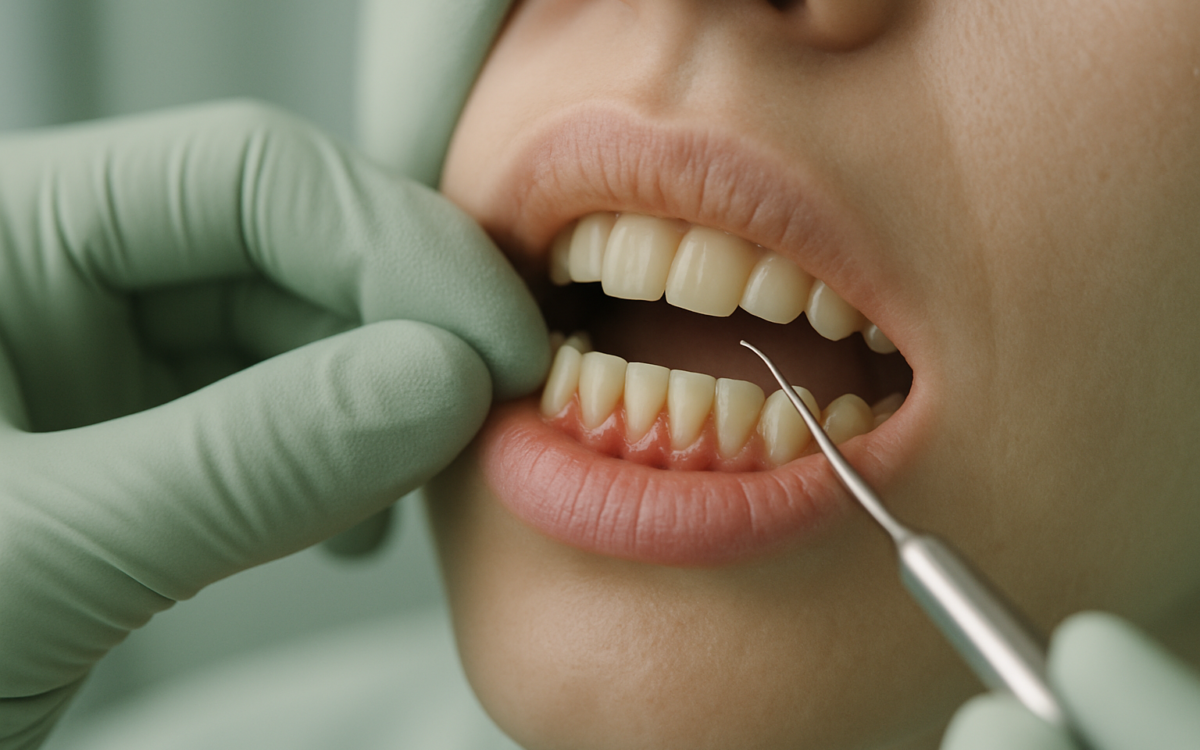
Many people may not realize that gum disease, or periodontal disease, can start silently in its early stages. Often overlooked, this condition can lead to serious dental issues if not addressed promptly. Understanding the early signs and adopting preventive measures can help maintain your oral health.
What is Early Periodontal Disease?
Early periodontal disease, commonly referred to as gingivitis, is the initial stage of gum disease. At this point, the gums become inflamed, often due to the accumulation of plaque—a sticky film of bacteria that forms on your teeth. When plaque is not removed by regular brushing and flossing, it can irritate the gums.
Recognizing the Symptoms
It’s essential to be aware of the subtle signs that may indicate early periodontal disease. Early symptoms include:
- Red, swollen gums: Healthy gums should appear pink and firm. Inflammation leads to redness and tenderness.
- Bleeding while brushing or flossing: Gums that bleed easily during regular dental care routines may indicate inflammation.
- Bad breath: Persistent bad breath (halitosis) can be a warning sign of an underlying periodontal problem.
- Receding gums: Gums that seem to be pulling away from the teeth can signal gum disease.
If you notice any of these symptoms, it’s crucial to take your oral health seriously.
Causes of Early Periodontal Disease
Several factors contribute to the development of early periodontal disease. Some primary causes include:
- Poor oral hygiene: Inadequate brushing and flossing contribute to plaque buildup.
- Smoking: Tobacco use significantly impairs gum health and slows healing.
- Hormonal changes: Changes due to pregnancy, menstruation, and menopause can make gums more sensitive.
- Medical conditions: Diseases such as diabetes can increase susceptibility to gum disease.
Understanding these risk factors can help in making informed choices regarding dental care.
Preventing Early Periodontal Disease
Preventing early periodontal disease largely hinges on good oral hygiene practices. Here are some effective strategies:
- Brush your teeth twice a day: Use a soft-bristled toothbrush and fluoride toothpaste. Ensure to brush for at least two minutes each time.
- Floss daily: Flossing removes plaque and food particles between your teeth and under the gumline.
- Regular dental check-ups: Visiting your dentist at least twice a year allows for professional cleanings and early detection of any issues.
- Eat a balanced diet: Nutritious food supports gum health. Limit sugary snacks and drinks that can contribute to plaque development.
- Avoid tobacco: Quitting smoking or using tobacco can significantly improve oral health.
Implementing these preventive measures can help you maintain healthy gums and prevent the progression of periodontal disease.
Treatment of Early Periodontal Disease
If you find yourself with early signs of periodontal disease, it is crucial to address the issue promptly. Treatment options typically involve:
- Professional dental cleaning: Your dentist can remove plaque and tartar from your teeth and gums.
- Antibiotics: In some cases, your dentist may prescribe antibiotics to help control bacterial infection.
- Improved oral hygiene routine: Adjusting your dental care routine as advised by your dentist can also help.
Successful management of early periodontal disease hinges on activeness in your oral care regime and regular consultations with dental professionals.
When to See a Doctor
It’s advisable to consult a dentist if you experience any of the symptoms of early periodontal disease or have concerns about your gum health. Early detection and treatment are vital for preventing the disease from advancing to more severe stages, which can lead to tooth loss and other oral health complications.
Conclusion
Being informed about early periodontal disease helps you take control of your dental health. Recognizing the symptoms early and establishing a solid oral hygiene routine can safeguard your gums from damage. Remember, timely intervention and preventive measures can significantly impact your oral health journey. For more information on gum health and periodontal disease, you can check resources from the NIH and the CDC.
