
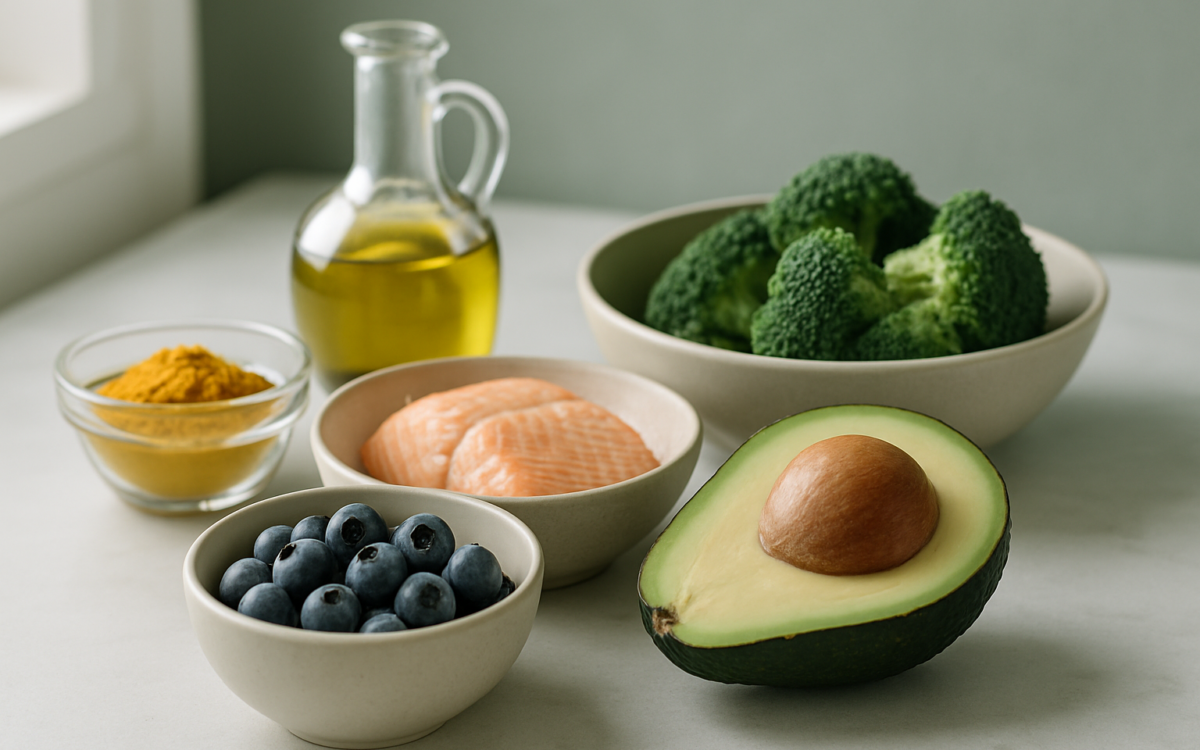
Inflammation is a natural response of the body to injury or illness. However, when it becomes chronic, it can lead to various health issues such as heart disease, diabetes, and arthritis. Thankfully, certain foods can help combat inflammation and promote better health. Here, we will explore some of these anti-inflammatory foods and how they can benefit your body.
Understanding Inflammation
Before we dive into the foods that can help reduce inflammation, it’s important to understand what inflammation is. Inflammation occurs when the body’s immune system responds to harmful stimuli, such as pathogens or tissue damage. This process involves the release of inflammatory molecules that help protect the body. However, persistent inflammation can lead to serious health problems.
Fruits and Vegetables: Nature’s Powerhouses
Fruits and vegetables are packed with vitamins, minerals, and antioxidants, making them essential in an anti-inflammatory diet. Here are some excellent choices:
- Berries: Blueberries, strawberries, and blackberries are rich in antioxidants known as flavonoids, which can decrease inflammation.
- Leafy Greens: Spinach, kale, and Swiss chard are high in vitamins and minerals that help fight inflammation.
- Broccoli: This cruciferous vegetable contains sulforaphane, which may reduce inflammatory markers.
Healthy Fats that Fight Inflammation
Not all fats are created equal. Healthy fats can help lower inflammation and improve heart health:
- Olive Oil: Extra virgin olive oil is rich in oleocanthal, a compound that has been shown to have anti-inflammatory properties similar to ibuprofen.
- Avocados: These creamy fruits are high in monounsaturated fats and antioxidants, which can positively affect inflammation levels.
- Fatty Fish: Salmon, mackerel, and sardines are loaded with omega-3 fatty acids, known to reduce inflammatory responses in the body.
Spices that Pack a Punch
Many spices not only add flavor to your meals but also come with impressive anti-inflammatory benefits:
- Turmeric: This bright yellow spice contains curcumin, a powerful antioxidant that has been shown to inhibit inflammation.
- Ginger: Ginger has anti-inflammatory properties that can help reduce muscle pain and soreness.
- Cinnamon: This sweet spice has been linked to reduced markers of inflammation and can also help regulate blood sugar.
Whole Grains: A Smart Choice
Choosing whole grains over refined grains is an excellent way to support your body’s health. Whole grains contain fiber and provide key nutrients that help reduce inflammation:
- Brown Rice: A whole grain filled with fiber that can reduce inflammatory markers.
- Quinoa: This protein-rich grain offers all nine essential amino acids, making it a healthy choice for reducing inflammation.
- Oats: Oats contain antioxidants and anti-inflammatory properties that contribute to overall wellness.
Nuts and Seeds: Small But Mighty
Nuts and seeds are nutrient-dense foods that help fight inflammation and improve heart health. Incorporating a handful of these into your daily diet can make a significant difference:
- Walnuts: Packed with omega-3s, walnuts can help reduce inflammation and may be beneficial for brain health.
- Chia Seeds: These tiny seeds are a great source of fiber and omega-3 fatty acids, which can help combat inflammation.
- Flaxseeds: Another good source of omega-3 fatty acids, flaxseeds are known to decrease inflammation in the body.
When to See a Doctor
If you experience persistent pain, swelling, or other symptoms of chronic inflammation, it’s important to consult with a healthcare professional. They can help determine the underlying cause and suggest appropriate lifestyle changes or treatment options.
Incorporating anti-inflammatory foods into your diet can be a delicious and beneficial way to support your overall health. Making small, consistent changes can help you feel better and reduce the risk of chronic conditions associated with inflammation.
Conclusion
Eating a variety of inflammation-fighting foods can help your body heal and thrive. By focusing on fruits, vegetables, healthy fats, whole grains, nuts, and seeds, you can create a diet that not only helps reduce inflammation but also promotes overall wellness. Remember, combining a healthy diet with regular physical activity and good stress management techniques can go a long way in enhancing your well-being.
