
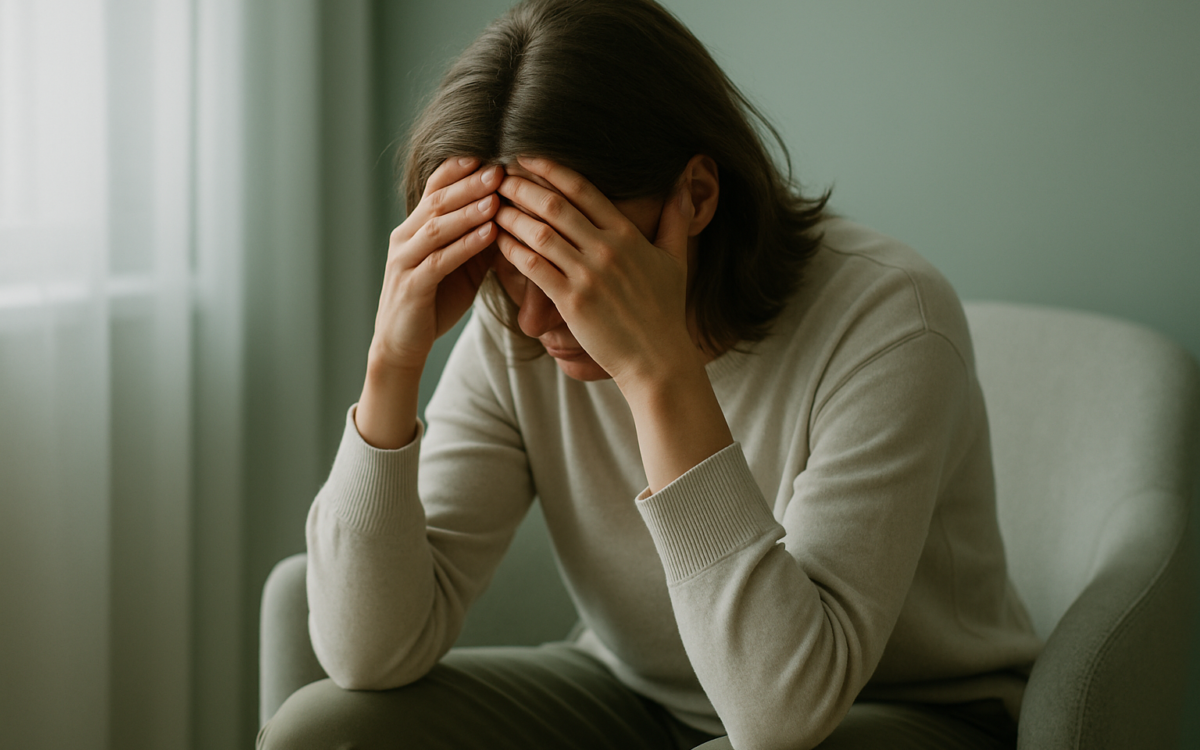
In our fast-paced world, stress and anxiety have become common experiences for many people. While they are natural responses to challenges, they can also lead to significant struggles if left unaddressed. Understanding what stress and anxiety are, how they differ, and what you can do to manage them can help you find balance and improve your overall well-being.
What Is Stress?
Stress is the body’s response to any demand or challenge, whether it’s physical, mental, or emotional. When you face an immediate challenge, your body releases hormones like adrenaline and cortisol. These hormones prepare you to respond to the situation—whether by fighting it or fleeing from it. This response is known as the “fight or flight” reaction.
Stress can be beneficial in small doses, as it can motivate you to complete tasks or avoid danger. However, ongoing or chronic stress can affect your health, leading to problems such as headaches, stomach issues, and a weakened immune system. It can also make you more prone to anxiety, depression, and other mental health conditions. According to the CDC, managing stress is essential for maintaining mental health.
What Is Anxiety?
Anxiety, on the other hand, involves persistent feelings of worry or fear that are often disproportionate to the actual threat. It can manifest in various forms, including generalized anxiety disorder, panic disorder, social anxiety, and phobias. Unlike stress, which usually relates to specific events, anxiety may occur without a clear trigger and can last for extended periods.
Symptoms of anxiety can include excessive worry, irritability, restlessness, insomnia, and physical symptoms such as rapid heart rate and sweating. Chronic anxiety can interfere with daily life, making it difficult to focus on work, engage in social activities, or enjoy personal relationships.
How Stress and Anxiety Impact Your Life
Both stress and anxiety can have significant effects on various aspects of life:
- Physical Health: Chronic stress and anxiety can lead to serious health problems, such as heart disease, obesity, diabetes, and digestive issues.
- Mental Health: Ongoing stress can exacerbate feelings of anxiety and depression. According to the National Institute of Mental Health, managing stress is critical to improving mental health outcomes.
- Relationships: Stress can lead to irritability, withdrawal, and communication breakdowns, which can harm relationships with friends, family, and colleagues.
- Work Performance: Individuals struggling with high levels of stress and anxiety may find it challenging to concentrate, meet deadlines, and maintain productive work habits.
Healthy Strategies to Manage Stress and Anxiety
Fortunately, there are many effective strategies for managing stress and anxiety:
1. Practice Mindfulness and Relaxation Techniques
Mindfulness practices, such as meditation, deep breathing exercises, or yoga, can help reduce stress and anxiety. These techniques promote relaxation, allowing your mind and body to respond more calmly to daily challenges.
2. Stay Active
Physical exercise is a powerful stress reliever. Activities like walking, cycling, or dancing release endorphins, which improve mood and reduce feelings of anxiety. Aim for at least 30 minutes of physical activity most days of the week.
3. Connect with Others
Building and maintaining strong social connections can help buffer stress and anxiety. Talking to friends or family, joining a support group, or seeking professional counseling can provide valuable support and perspective.
4. Establish a Routine
Creating a daily schedule can help you stay organized and manage your time effectively, reducing feelings of overwhelm. Include breaks and time for relaxation in your routine.
5. Set Realistic Goals
Avoid putting too much pressure on yourself by setting achievable goals. Break larger tasks into smaller, manageable steps, and celebrate your achievements along the way.
When to See a Doctor
If you find that stress or anxiety is interfering with your daily life, work, or relationships, it may be time to seek professional help. Here are some signs that indicate you should consider consulting a doctor or mental health professional:
- Persistent feelings of worry or fear that do not go away.
- Difficulty concentrating on tasks or making decisions.
- Physical symptoms, such as headaches, gastrointestinal issues, or fatigue.
- Using substances such as alcohol or drugs to cope with stress or anxiety.
Conclusion
Understanding the differences between stress and anxiety is the first step towards effectively managing these challenges. By implementing healthy coping strategies, building strong relationships, and recognizing when to seek help, you can improve your emotional well-being and navigate life’s challenges with greater resilience. Remember, you don’t have to go through this alone—support is available.
