
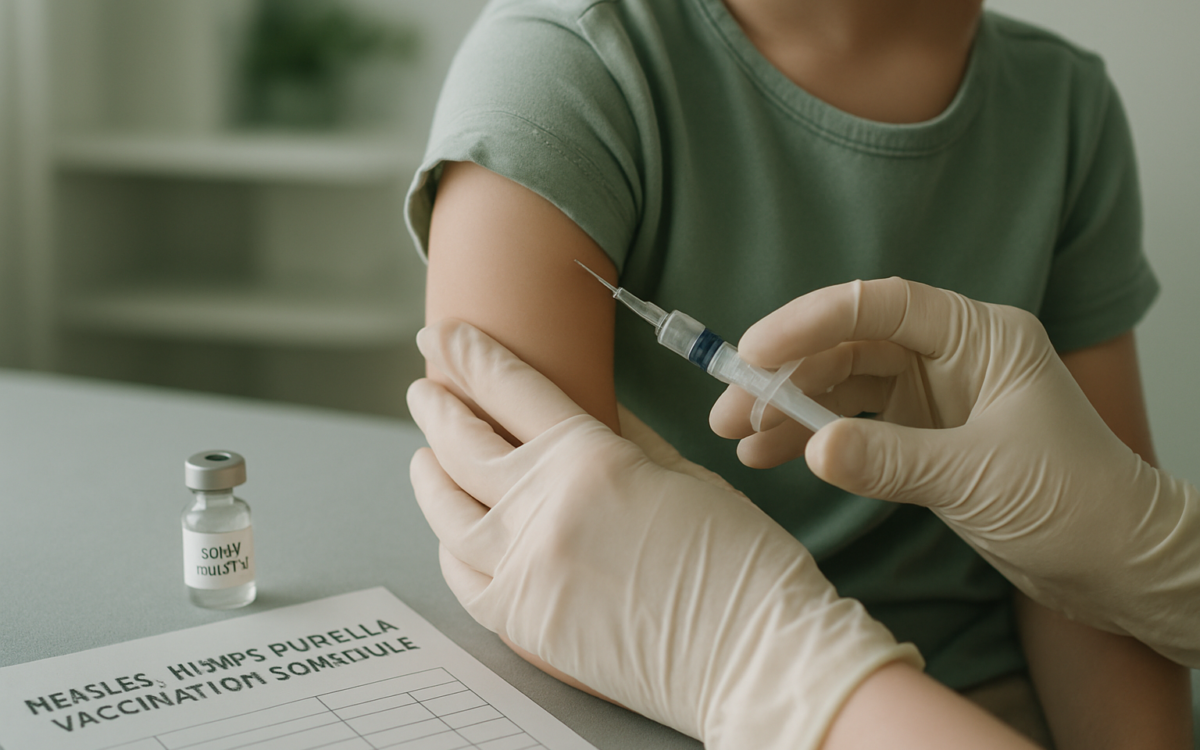
When it comes to protecting your child from infectious diseases, the Measles, Mumps, and Rubella (MMR) vaccine is one of the most crucial immunizations. These diseases can cause serious health complications, and vaccination helps ensure not just individual health but also community safety. Understanding the MMR vaccination schedule is key to keeping your child protected at the right times. In this article, we will break down the recommended vaccination schedule, explain the importance of each dose, and address some common questions surrounding the vaccine.
What is the MMR Vaccine?
The MMR vaccine is a combined vaccine that helps protect against three viral infections: measles, mumps, and rubella. Each of these diseases can lead to significant health issues. Measles can cause pneumonia, encephalitis, and even death. Mumps can lead to meningitis and orchitis (inflammation of the testicles), while rubella can cause serious birth defects if a pregnant woman contracts the disease during her first trimester.
The vaccine works by injecting a weakened form of the viruses into the body, prompting the immune system to develop antibodies. This is a safe and effective way to build immunity without causing the diseases.
MMR Vaccination Schedule
According to the Centers for Disease Control and Prevention (CDC), the MMR vaccination schedule is as follows:
- First Dose: Administered between 12-15 months of age.
- Second Dose: Given between 4-6 years of age, ideally before starting kindergarten.
It is important to note that children who receive their first dose earlier than 12 months will need to be revaccinated. Additionally, some high-risk groups, such as international travelers, may need to begin vaccination as early as 6 months of age.
Importance of Timely Vaccination
Following the vaccination schedule is essential for several reasons. First, it ensures that your child is protected at optimal times when they are most vulnerable to infections. Infants and young children have weaker immune systems, making them more susceptible to severe reactions from these diseases.
Additionally, timely vaccination helps in building herd immunity. When a large portion of the population is vaccinated, it reduces the overall occurrence of the disease, protecting those who cannot be vaccinated, such as infants or individuals with certain medical conditions.
What to Expect After Vaccination
After receiving the MMR vaccine, it is normal for children to experience mild side effects. These can include:
- Fever
- Rash
- Mild swelling of the salivary glands
Serious side effects are extremely rare but can occur. It’s essential to monitor your child after vaccination and report any unusual symptoms to your healthcare provider. Most children tolerate the vaccine well and recover quickly.
Addressing Common Concerns
One of the most common concerns parents have about the MMR vaccine is its safety, particularly in light of misinformation linking vaccines to autism. Numerous studies, including research from the National Institutes of Health (NIH), have found no evidence supporting a connection between vaccines and autism. The benefits of vaccination far outweigh the risks, especially considering the severe consequences that can arise from the diseases the MMR vaccine prevents.
Another common question is about the need for the second dose. The first dose provides a good level of protection, but the second dose is crucial for boosting immunity and ensuring long-term protection.
When to See a Doctor
If your child experiences any of the following after receiving the MMR vaccine, contact your healthcare provider:
- High fever (over 104°F)
- Severe allergic reaction (difficulty breathing, swelling of the face and throat)
- Persistent vomiting or diarrhea
- Behavioral changes or signs of distress
Always consult with your physician if you have specific concerns or questions about vaccinations and your child’s health.
Conclusion
The MMR vaccination is a key component of childhood immunization, protecting your child from measles, mumps, and rubella. Adhering to the vaccination schedule and understanding the importance of each dose will help ensure your child is well-protected against these serious diseases. Stay informed, consult your healthcare provider, and play an active role in your child’s health and safety.
